
24/7 Customer Support

Free returns

Same-day & Next-day Delivery

Quality Guaranteed

Unlock Your Welcome Offers: FREE Delivery | Up to 80% OFF | Free 30-day JoyPlus trial
Download the APP
The world of Japanese green tea is rich with flavour, tradition and variety. For UK residents looking to explore beyond the standard cuppa, it offers a refreshing and nuanced experience. However, navigating the market can be tricky. With so many options available, it's easy to fall into common purchasing traps that lead to disappointment and wasted money.
As a Joybuy Product Recommendation Officer, my role is to help you see past the marketing clutter. This guide will break down what truly matters when selecting a Japanese green tea, ensuring your next purchase is a satisfying one.
To make an informed choice, focus on these key characteristics. They are far more important than fancy packaging or marketing claims.
Not all Japanese green tea is the same. The processing method dramatically changes the final taste.
Your lifestyle will help determine the right format for you.
For genuine quality, check the details.
Based on these practical criteria, here are a few recommendations tailored to different needs and preferences.
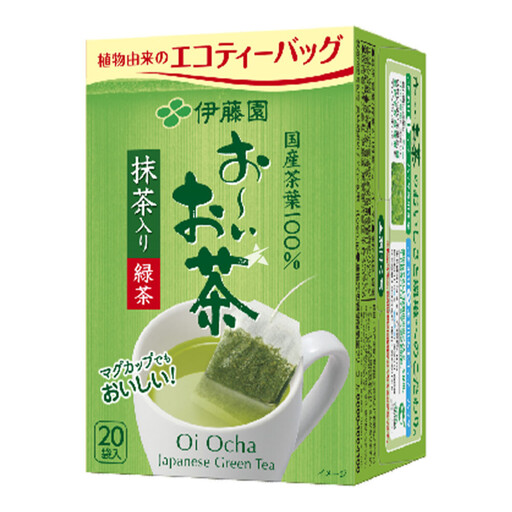
Why This Fits Their Persona: Perfect for a quick, high-quality brew at the office or during a busy morning at home. It delivers authentic Japanese green tea flavour without the fuss of loose-leaf preparation.
This is from Ito En, one of Japan's foremost tea producers, ensuring authentic origin and quality control. The blend with matcha provides a richer flavour than many standard tea bags.
Combines the convenience of a tea bag with the vibrant flavour boost of real matcha. The eco-friendly bags are a thoughtful touch.
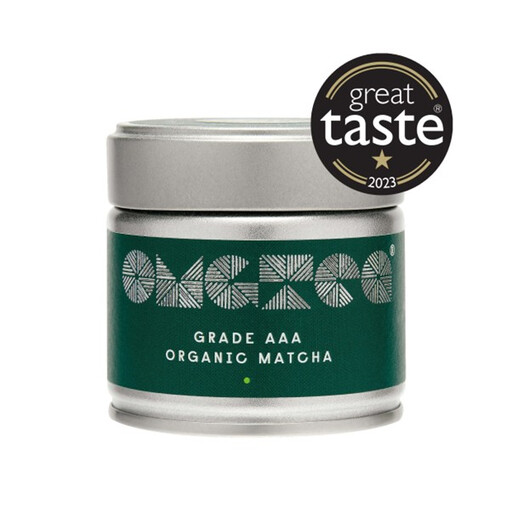
Why This Fits Their Persona: For those who want the full, pure experience of matcha, whether whisked traditionally or added to a morning latte. The organic certification provides peace of mind.
This product avoids the matcha grade mix-up. It is clearly labelled as high-grade and organic, indicating a quality suitable for drinking, not just for cooking.
It is 100% organic matcha with no other ingredients. The AAA grading suggests a high quality with good colour and flavour, suitable for a smooth, enjoyable drink.
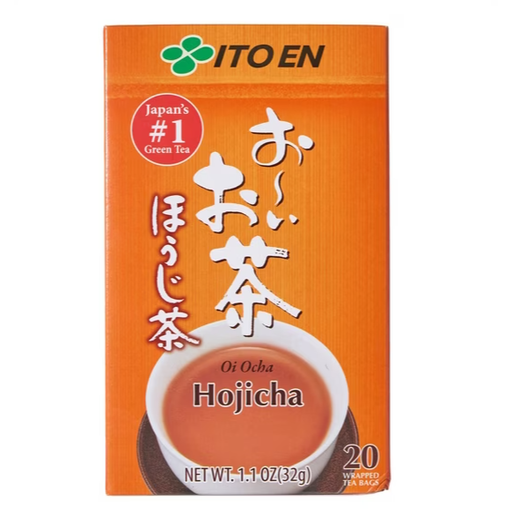
Why This Fits Their Persona: For someone looking to try something different, Hojicha offers a completely distinct profile. Its nutty, smoky notes are a world away from grassy Sencha, making it a fantastic evening or cold-weather drink.
This product clearly states it is Hojicha made from 100% first-flush Japanese green tea. This transparency ensures you are getting an authentic roasted tea, not a generic "toasted" flavouring.
The high-temperature roasting process gives it a unique flavour and naturally lowers the caffeine content, making it suitable for drinking later in the day. Triangular bags allow for better infusion.
We have compiled a complete, real-time list of products that fully satisfy these strict selection criteria and UK safety regulations.
To protect your tea from light, air, moisture and strong odours, store it in an airtight, opaque container in a cool, dark place like a pantry or cupboard. Avoid storing it in the refrigerator or freezer unless it's a large, unopened package of matcha, as condensation can damage the leaves.
The main difference lies in the preparation and consumption. With regular green tea (like Sencha), you infuse the leaves in water and then discard them. With matcha, you are whisking a powder of the entire tea leaf into water and consuming it whole. This results in a more concentrated flavour and a higher intake of the nutrients present in the leaf.
It is generally not recommended. Boiling water (100°C) can scorch the delicate leaves, resulting in a bitter and astringent taste. For most Japanese green teas, including Sencha and Genmaicha, an ideal water temperature is between 70°C and 80°C. For high-quality teas like Gyokuro, the temperature can be even lower. Hojicha is more robust and can handle slightly hotter water.