
24/7 Customer Support

Free returns

Same-day & Next-day Delivery

Quality Guaranteed

Unlock Your Welcome Offers: FREE Delivery | Up to 80% OFF | Free 30-day JoyPlus trial
Download the APP
Finding authentic Japanese groceries in the UK used to mean a special trip to a city centre specialist store. Now, a huge variety of Japanese snacks and ingredients can be delivered to your door. However, this convenience comes with its own set of challenges. It can be difficult to tell if you are getting genuine, high-quality products or just cleverly marketed imitations.
As the Joybuy Product Recommendation Officer, my role is to help you navigate the online marketplace. Here, we will look at the common pitfalls when buying Asian food online UK and what to check to ensure you are getting the authentic taste you are looking for.
To avoid disappointment, focus on these three practical checks before adding an item to your basket. This will help you distinguish authentic products from the imitations.
The most reliable indicator of authenticity is the "Product of Japan" label. While quality products are made elsewhere, this label is a strong sign that the item follows traditional recipes and uses ingredients sourced for a Japanese palate. When looking at the ingredients, check that key components like "Adzuki Beans" for red bean paste or "Green Tea Powder" for matcha sweets are listed high up, not after a long list of sugars and humectants.
Japanese food covers a vast range of items. It helps to know what you are looking for:
Always check the storage requirements on the product page.
Based on these criteria, here are a few recommendations from our catalogue, matched to different tastes and needs.

Why This Fits Their Persona: For those seeking the classic taste of a Japanese tea-time staple, this dorayaki delivers. It's the quintessential wagashi seen in countless anime and films, offering a nostalgic and authentic experience for UK-based fans and expats.
This product is made in Japan, and "Azuki Bean Paste" is the second ingredient. This avoids the "inauthentic flavour" pitfall by using a genuine, chunky (tsubuan) red bean paste filling rather than an overly sweet substitute.
Features soft, fluffy pancakes with a generous, not-too-sweet filling. The 6-piece pack is ideal for sharing or enjoying over several days.
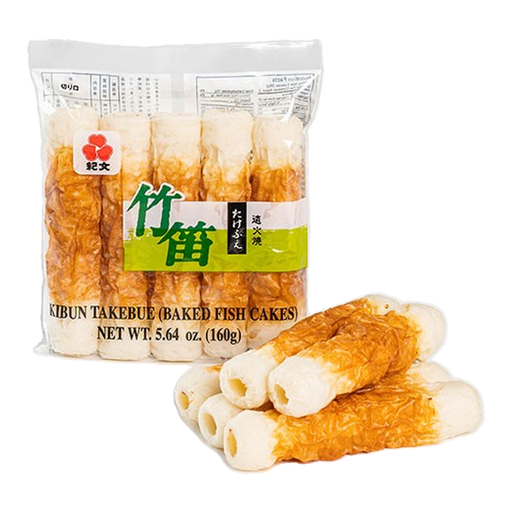
Why This Fits Their Persona: Perfect for the home cook looking to recreate authentic Japanese dishes. This chikuwa is a versatile Japanese fish cake, essential for making a hearty oden hot pot or adding a savoury, protein-rich topping to udon and ramen.
This is a chilled product with clear storage instructions, addressing the "freshness gamble." Its specific shape and grilled nature distinguish it from generic fish balls, ensuring an authentic texture and flavour for your cooking.
Ready-to-eat but also excellent when simmered or grilled. It has a pleasant, bouncy texture and a subtle smoky flavour that enhances broths and stews.
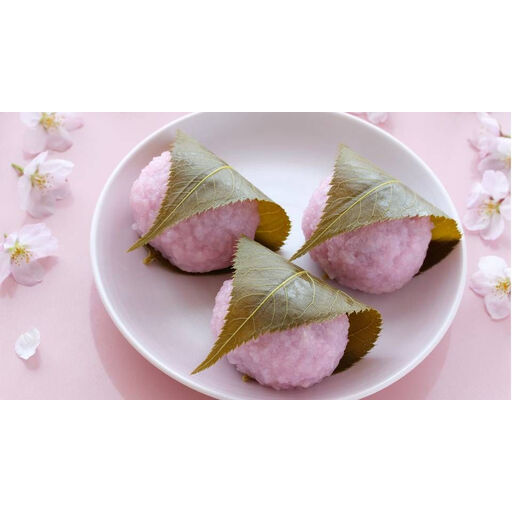
Why This Fits Their Persona: For those wanting to try a truly traditional mochi beyond the common ice cream-filled varieties. Sakura mochi is a seasonal delicacy in Japan, offering a unique combination of sweet, salty and floral notes.
This product is sold frozen, which is the correct method for preserving the delicate texture of the Domyojiko rice cake. The description clearly explains the Kansai-style grainy texture and the salty cherry leaf, managing expectations and avoiding the "inauthentic" pitfall.
Offers a sophisticated flavour profile with its sweet red bean filling and salty, aromatic cherry leaf wrap. A genuine taste of Japanese spring.
We have compiled a complete, real-time list of products that fully satisfy these strict selection criteria and UK safety regulations.
Dorayaki consists of two castella-style pancakes with a filling, most commonly sweet adzuki red bean paste. Its texture is soft and slightly spongy. Other Japanese cakes can vary widely; for example, mochi is a chewy cake made from glutinous rice, while baumkuchen is a layered spit-cake with a firm, moist crumb.
Most pre-packaged chikuwa and other fish cakes (known as nerimono) sold in the UK are either chilled or frozen. Always check the packaging. If chilled, keep it refrigerated and consume within a few days of opening. If frozen, keep it in the freezer until you are ready to use it. It can often be added directly to hot pots or soups from frozen.
Yes, provided you order from a reputable retailer that uses appropriate packaging. Reputable online stores that offer Asian food online UK use insulated boxes and cooling packs to ensure frozen and chilled items remain at a safe temperature during transit. Always check the condition of the product upon arrival and transfer it to your freezer or fridge immediately.