
24/7 Customer Support

Free returns

Same-day & Next-day Delivery

Quality Guaranteed

Unlock Your Welcome Offers: FREE Delivery | Up to 80% OFF | Free 30-day JoyPlus trial
Download the APP
Navigating the world of Japanese groceries online can feel overwhelming. With countless options and enticing labels, it's easy to end up with a pantry full of products that don't quite deliver the authentic flavours you were hoping for. As a Joybuy Product Recommendation Officer, my role is to help you see past the marketing and focus on what truly matters for your home cooking. Let's look at the common pitfalls and how to stock your kitchen with confidence.
Many home cooks in the UK fall into a few simple traps that lead to wasted money and disappointing meals. Being aware of them is the first step to smarter shopping.
To avoid these issues, focus on a few key details. These are the non-negotiable checks that ensure you're getting quality Japanese cooking ingredients.
When you want to buy soy sauce UK, it's crucial to know the main types. This single ingredient is a cornerstone of Japanese flavour.
The world of Asian pantry staples is vast, but understanding the basics of noodles and oils is essential.
By checking the ingredient list and product description for these specifics, you can ensure you're buying authentic Japanese food products that are right for your recipe.
Here are a few recommendations matched to different cooking needs, helping you choose the right product without the guesswork.
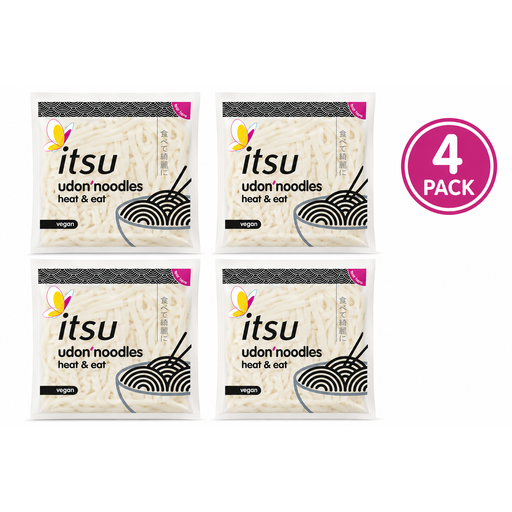
Why This Fits Their Persona: Perfect for busy individuals or families in the UK who need a quick, reliable base for a Japanese-inspired meal. These pre-cooked noodles can be added directly to a hot soup or stir-fry, cutting down preparation time significantly.
It avoids the "vague description" trap by being exactly what it claims: a convenient, ready-to-heat udon noodle. It is not marketed as an artisan product, so you are paying for convenience, not hype.
Individually portioned packs reduce food waste and make meal prep simple. The noodles are ready in minutes, making them a practical pantry staple.
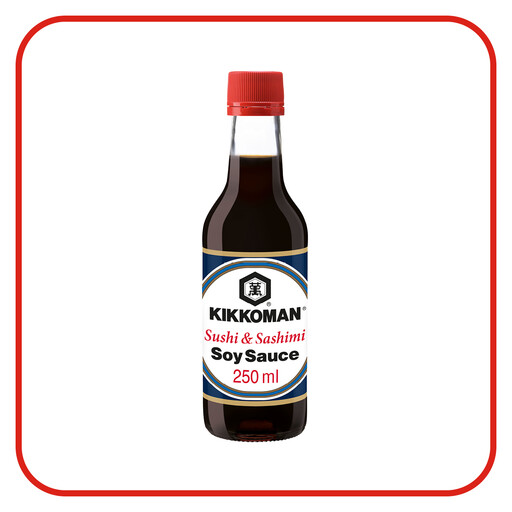
Why This Fits Their Persona: For the home cook dedicated to recreating a genuine sushi night experience. This person understands that the details matter and wants a condiment that enhances, rather than masks, the flavour of fresh fish.
This directly solves the "wrong type of soy sauce" problem. Its clear labelling and specific formulation for sushi and sashimi prevent the common error of using a harsh, all-purpose soy sauce on delicate seafood.
It is specially blended to be milder and slightly sweeter, complementing the natural umami of fish. The Kikkoman brand is well-regarded for its traditional brewing methods.
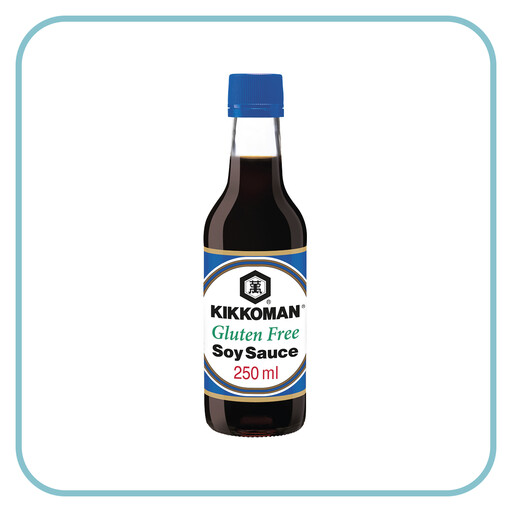
Why This Fits Their Persona: An essential for anyone with coeliac disease, a gluten intolerance or simply choosing a gluten-free lifestyle. They need a reliable, flavourful soy sauce that doesn't feel like a compromise.
It sidesteps the "inauthentic substitute" trap. Tamari is a traditionally brewed, wheat-free Japanese sauce, not a modern imitation. This product delivers genuine, deep umami flavour, proving that gluten-free does not mean flavour-free.
Certified gluten-free, Halal and vegan. It is naturally brewed with only four ingredients, ensuring a pure and rich taste suitable for any recipe calling for soy sauce.
We have compiled a complete, real-time list of products that fully satisfy these strict selection criteria and UK safety regulations.
For a solid foundation, start with a quality all-purpose soy sauce (koikuchi), mirin (sweet rice wine for cooking), rice vinegar, dashi (soup stock, available as powder or liquid) and a versatile noodle like udon or ramen. These five items will allow you to create a wide variety of classic Japanese dishes.
Look for a sauce where shoyu (soy sauce) is a primary ingredient, complemented by mirin, sake, sugar, garlic and ginger. Authentic Japanese BBQ sauce, or yakiniku no tare, has a distinct balance of savoury and sweet designed for grilling. Brands with a strong presence in Japan, like Gyukaku, are often a reliable indicator of an authentic recipe.
Yes, a significant one. Japanese sesame oil is almost always made from toasted sesame seeds. This process gives the oil a dark amber colour and a deep, nutty aroma and flavour. It is primarily used as a finishing oil—drizzled over dishes just before serving—to add fragrance. This differs from lighter, cold-pressed sesame oils from other regions, which have a milder flavour and are sometimes used for cooking.