
24/7 Customer Support

Free returns

Same-day & Next-day Delivery

Quality Guaranteed

Unlock Your Welcome Offers: FREE Delivery | Up to 80% OFF | Free 30-day JoyPlus trial
Download the APP
Japanese confectionery has a unique appeal, promising vibrant fruit flavours and delightful textures that stand apart from typical British sweets. However, navigating the world of imported Asian snacks UK can be tricky. It's easy to be drawn in by colourful packaging only to be let down by a product that doesn't live up to the hype.
Many shoppers find themselves disappointed by two common pitfalls. Firstly, the promise of "authentic fruit" can fall flat, with many sweets delivering a synthetic, overly sugary taste rather than the nuanced flavour of real fruit. Secondly, the texture can be a gamble; instead of the famously soft chewy candy experience, you might get something tough, waxy or unpleasantly sticky. Before you spend your money, it's worth knowing what to look for to ensure you're getting genuine quality.
The key to finding genuine Japanese fruit sweets lies in the ingredients list. Marketing claims can be misleading, but the list of ingredients tells the real story.
The texture, or shokkan (食感) in Japanese, is a critical part of the experience. Unlike the firm, dense chew of many Western gummies, authentic Japanese confectionery often aims for a softer, bouncier or more tender mouthfeel.
A great gummy experience also depends on practicality and thoughtful packaging.
Based on these criteria, here are a few recommendations that align with what UK shoppers are looking for.
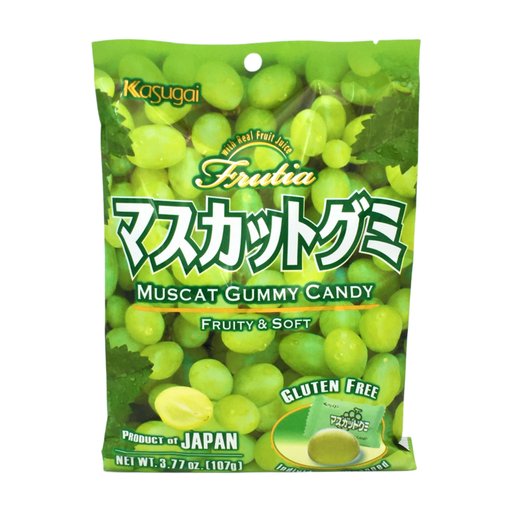
Why This Fits Their Persona: This person seeks a genuine, premium taste experience. The aromatic and complex flavour of Muscat grapes is hard to replicate artificially, making these gummies a true test of quality.
It avoids the "artificial flavour" pitfall by using a high concentration of real muscat grape juice (17%), which is clearly stated and delivers a fragrant, authentic taste.
Features a rich, aromatic flavour profile true to the fruit. The soft, chewy texture is a classic example of high-quality Japanese gummies.
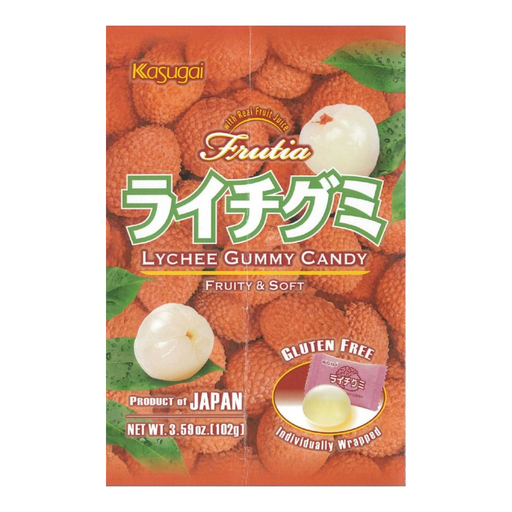
Why This Fits Their Persona: Ideal for someone bored with standard fruit flavours who wants to try something more adventurous. Lychee offers a unique floral and sweet profile that is distinctly Asian.
It sidesteps the freshness and texture issue with individual wrapping, ensuring every gummy is as soft and flavourful as the first, making it perfect for occasional snacking.
Made with concentrated lychee juice for a true-to-fruit taste. The individual wrappers make them hygienic, portable and easy to share.

Why This Fits Their Persona: This shopper needs a crowd-pleasing option that offers variety and convenience. A mixed bag is perfect for families with different preferences and it's an easy treat for parties or lunchboxes.
This mix avoids concerns about artificial additives by using concentrated vegetable juice for colour, a detail that provides peace of mind for parents.
Offers a variety of popular fruit flavours (apple, orange, grape, etc.) in one bag. The soft, tender texture is enjoyable for both children and adults.
We have compiled a complete, real-time list of products that fully satisfy these strict selection criteria and UK safety regulations.
Most Japanese gummy candy is not suitable for vegetarians or vegans. The characteristic chewy texture is typically achieved using gelatin, which is an animal-derived product. Always check the ingredients list on the packaging, as some may use plant-based alternatives like pectin, but this is less common.
To maintain the intended soft texture and vibrant flavour, store your gummies in a cool, dry place away from direct sunlight and heat. High temperatures can cause them to melt or stick together. Once a bag is opened, it is best to reseal it tightly. Products that are individually wrapped offer a clear advantage here, as they keep each piece fresh until you are ready to eat it.
The celebrated texture of Japanese gummies often comes from a meticulous balance of ingredients. They tend to be softer and have more of a "bounce" compared to the denser, firmer chew of many Western gummy sweets. This is achieved through specific formulations of gelatin, pectin and humectants like sorbitol, which help create that signature soft chewy candy mouthfeel.