
24/7 Customer Support

Free returns

Same-day & Next-day Delivery

Quality Guaranteed

Unlock Your Welcome Offers: FREE Delivery | Up to 80% OFF | Free 30-day JoyPlus trial
Download the APP
Japanese instant noodles can be a practical option for office lunches, student kitchens, quick snacks and easy dinners. However, the packaging can make similar products appear interchangeable when their preparation methods, portion sizes, allergens and salt levels differ considerably.
Before adding a multipack to your basket, check three common buying pitfalls:
The format affects where and how you can eat the noodles.
Instant noodle cups are convenient for workplaces, shared kitchens and travel because they usually require only boiling water. Several Nissin Soba cup products include a draining lid, allowing you to remove the water before adding the sauce. Preparation is typically around three minutes, but always follow the instructions printed on the packaging.
Instant noodle bags are useful for pantry stocking and may offer better value when purchased in multipacks. They usually need a bowl, saucepan or suitable container, and some require a measured amount of boiling water. Bagged yakisoba noodles can be a good choice for households that want to add vegetables, egg or leftover meat.
Microwave noodles and ready meals are designed for speed, but they are not always ambient products. For example, a microwaveable teriyaki meal may require refrigeration or freezing, unlike a dried noodle bag stored in a cool, dry place. Check storage instructions before purchasing several packs.
Yakisoba noodles usually have a savoury, slightly sweet stir-fry sauce. Teriyaki noodles tend to feature a sweeter soy-based profile, while yakitori chicken noodles may include roasted chicken, onion, garlic or caramelised soy-style notes.
The flavour name does not automatically indicate the presence of large pieces of meat. Review the ingredients list to see whether chicken, beef, vegetables or flavourings are included. For instance, some yakitori products contain small chicken pieces, while others primarily provide a sauce inspired by yakitori.
Vegetarian shoppers should also check the full ingredients and allergen statement. A product described as vegetarian teriyaki noodles may still contain egg, milk, sesame or other ingredients depending on the recipe and manufacturing environment.
For UK shoppers, allergen information is particularly important. Common allergens in Japanese noodles include:
Nutrition panels can be listed per 100g, per serving or after preparation, so compare like with like. One NISSIN UFO Instant Yakisoba Oyster Sauce & Beef Flavour 123g product lists 460 kcal and 1,440mg sodium per serving, making the panel worth checking if you are managing your overall daily intake. Product formulations and packaging can change, so read the current label before consumption.
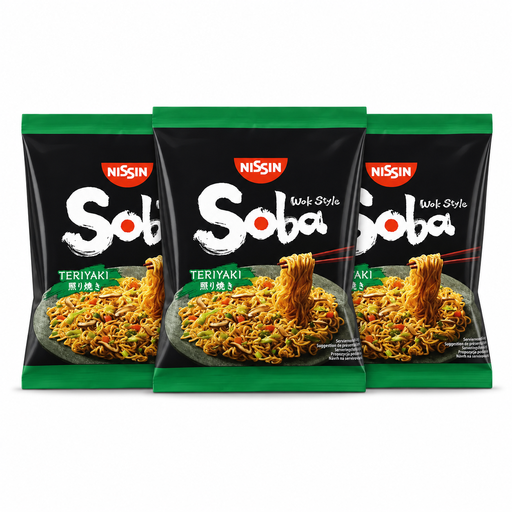
Why This Fits Their Persona: A three-pack gives students, first-time buyers and small households several portions to keep in the cupboard without committing to a large case.
The bag format makes the quantity clear and is designed for stir-fry-style preparation rather than an assumed soup serving.
110g bags; three individual portions; teriyaki seasoning sauce; suitable for adding vegetables.
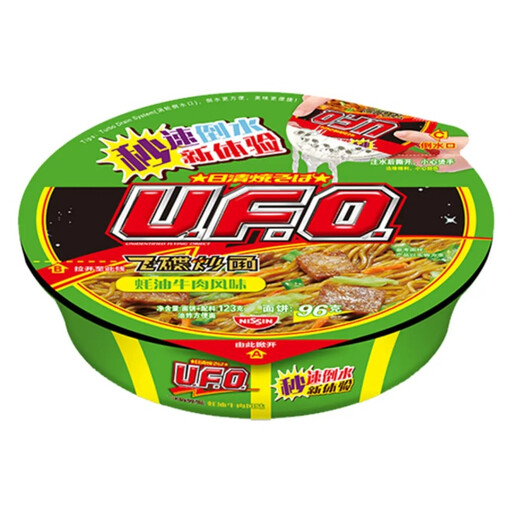
Why This Fits Their Persona: Suitable for shoppers seeking a larger, sauce-focused yakisoba portion with a springy wheat noodle texture and a distinctive oyster sauce and beef flavour.
The product description clearly identifies the non-fried noodle design and drain-and-mix method, helping buyers distinguish it from soup noodles.
123g pack; oyster sauce and beef flavour; wheat noodles; dry-tossed preparation.
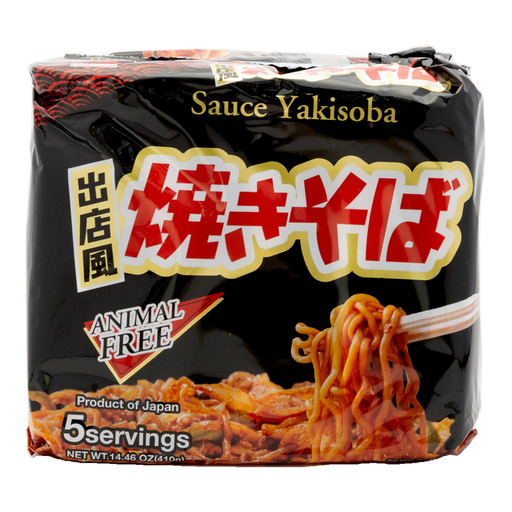
Why This Fits Their Persona: A practical pantry option for families, shared houses or regular noodle eaters who want five servings for customised meals.
The five-serving quantity is stated clearly, while the cooking instructions specify boiling water, stirring time and sauce addition.
410g total weight; five servings; Japanese-style stir-fry format; suitable for adding fresh ingredients.
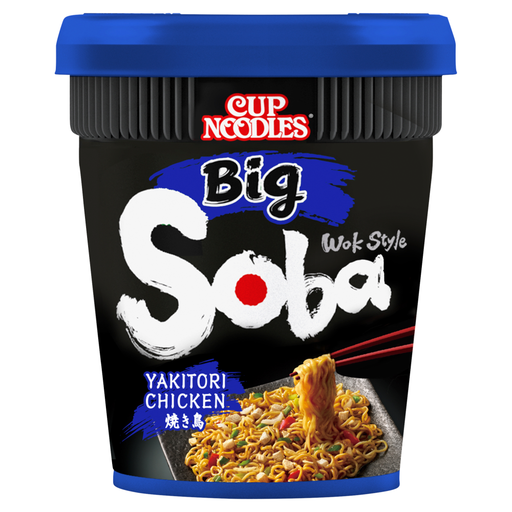
Why This Fits Their Persona: The larger cup and integrated draining lid suit office workers who want a filling lunch without carrying a saucepan or separate bowl.
Its instructions explain the three-minute soak and draining process, reducing the risk of buying a cup designed for soup when you want yakisoba-style noodles.
113g cup; three-minute preparation; draining cap; yakitori chicken-style sauce with listed ingredients.
We have compiled a complete, real-time list of products that fully satisfy these strict selection criteria and UK safety regulations.
Instant stir-fry noodles can become more substantial with fresh or frozen additions. Try adding spring onions, shredded cabbage, mushrooms, peppers or a fried egg, provided the ingredients suit your dietary requirements. Teriyaki noodles pair naturally with vegetables, while yakisoba noodles can be served with leftover cooked chicken or tofu.
For office meals, cups with draining lids reduce washing-up. At home, instant noodle bags are more flexible and allow you to control additions. Avoid eating dried noodles raw unless the packaging specifically states that they are ready to eat, and follow the stated cooking instructions carefully.
Yes, cup formats can be prepared with boiling water in around three minutes, depending on the product. A kettle, heatproof surface and access to a bin or sink for draining are usually needed. Check whether the cup is intended for draining or retaining water.
Most dried Japanese noodles should be kept in a cool, dry place away from direct sunlight. Keep the packaging sealed and check the best-before information. Do not use a bag that is torn, leaking or visibly damaged.
Not automatically. Some vegetarian teriyaki noodles use soy sauce, vegetables and mushroom ingredients, while others may contain chicken seasoning, fish-derived ingredients or egg noodles. Read the current ingredients and allergen information on each product before buying.