
24/7 Customer Support

Free returns

Same-day & Next-day Delivery

Quality Guaranteed

Unlock Your Welcome Offers: FREE Delivery | Up to 80% OFF | Free 30-day JoyPlus trial
Download the APP
From a quick student lunch to a comforting late-night meal, Japanese instant noodles have become a staple in many UK cupboards. The promise is simple: a hot, flavourful bowl of noodles in minutes. Yet, the reality can often be a letdown. Navigating the colourful packaging and enticing descriptions can feel like a gamble, often leading to purchases that miss the mark.
As the Joybuy Product Recommendation Officer, my role is to help you see past the marketing and make choices that deliver on taste and value. Here are a few common pitfalls to watch for:
By understanding a few key factors, you can easily avoid these issues and find a product that truly suits your needs.
Before you add to your basket, consider these three core elements. They are the difference between a disappointing snack and a genuinely enjoyable meal.
The production method of the noodle block has a significant impact on the final dish.
Beyond ramen, you will also encounter other Japanese noodles. Soba noodles, made from buckwheat, have a distinctive nutty flavour, while udon noodles are thick, soft and wonderfully chewy, perfect for hearty soups or stir-fries.
The soup is the soul of the dish. Understanding the main flavour profiles will help you choose wisely.
The format you choose depends on your lifestyle and how you plan to enjoy your noodles.
To help you choose, we have matched some standout options to different needs and preferences.
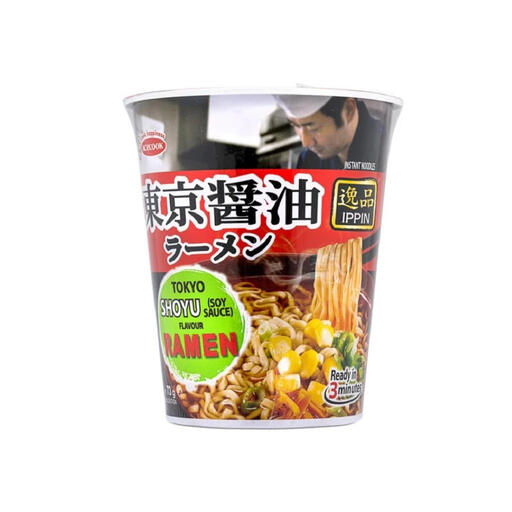
Why This Fits Their Persona: Perfect for a quick and easy office lunch or a no-fuss meal at home. It delivers a classic shoyu ramen flavour without needing access to a kitchen hob, making it ideal for busy schedules.
This cup noodle avoids the "convenience vs. quality" pitfall by using a more developed broth and better noodles than many basic pot varieties, sidestepping the one-note saltiness trap.
Unbeatable convenience with a more nuanced, authentic-tasting soy sauce broth. Ready in minutes with just boiling water.
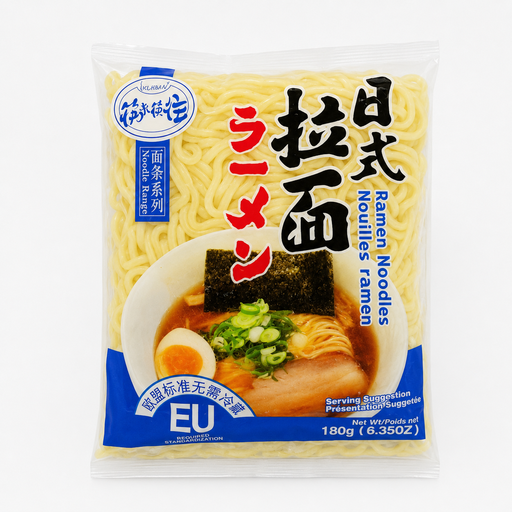
Why This Fits Their Persona: This is a blank canvas for those who love to build their own ramen bowl. It provides high-quality, plain noodles, giving you complete control to create your own broth and add fresh toppings.
It sidesteps the "flavour hype" pitfall by not including a seasoning packet. The non-fried process directly tackles the noodle texture issue, providing a firm, satisfying chew without any greasiness.
Excellent firm texture and a low-fat profile. Offers complete freedom to create a truly customised and authentic dish.

Why This Fits Their Persona: This bulk instant noodles case is perfect for families, students or anyone who wants a well-stocked pantry. It offers fantastic value and a consistent, popular flavour from a globally recognised brand.
While still a convenient instant product, Nissin Demae Ramen offers a more recognisable and satisfying tonkotsu ramen flavour profile than generic "pork flavour" noodles, avoiding the flavour mirage.
Excellent value for money when purchased in bulk. A reliable and popular flavour that serves as a great base for quick meals.
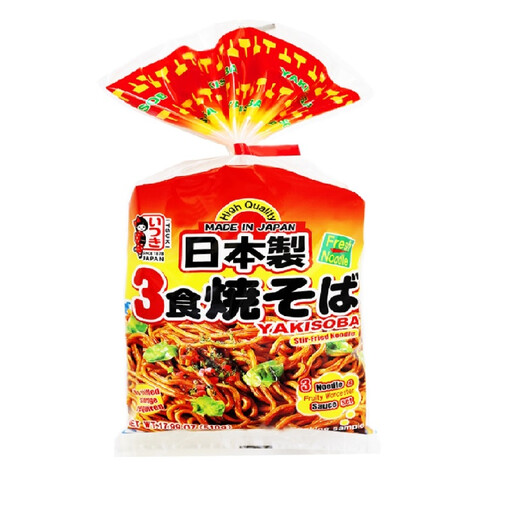
Why This Fits Their Persona: For those who crave the taste of Japanese street food, this kit provides everything needed for a quick and flavourful yakisoba (stir-fried noodle) dish, moving beyond the typical soup format.
This product moves beyond the soup-based noodle stereotype entirely. It provides pre-steamed noodles and a dedicated sauce, ensuring an authentic sweet-and-savoury yakisoba flavour without any risk of a disappointing broth.
A complete kit that makes preparing authentic-tasting stir-fried noodles incredibly simple and fast. Includes three individual servings.
We have compiled a complete, real-time list of products that fully satisfy these strict selection criteria and UK safety regulations.
The easiest way to elevate any bowl of instant noodles is with toppings. Try adding a soft-boiled egg, some sliced spring onions, a sheet of nori (dried seaweed), tinned sweetcorn or some leftover cooked chicken or pork. A drizzle of sesame oil or chilli oil just before serving can also add a wonderful layer of flavour and aroma.
In simple terms, the difference lies in the ingredients and shape. Ramen noodles are thin, typically wavy noodles made from wheat flour. Udon noodles are also wheat-based but are significantly thicker and chewier. Soba noodles are made from buckwheat flour, which gives them a slightly darker colour, a firmer texture and a distinct nutty taste.
As a convenience food, instant noodles can be high in sodium and, in the case of fried varieties, fat. They are best enjoyed in moderation. To create a more balanced meal, you can opt for non-fried noodles, use only half of the seasoning packet to reduce your salt intake and, most importantly, add fresh ingredients like vegetables (spinach, carrots, mushrooms) and a source of protein (egg, tofu or meat).