The vibrant green hue of a freshly whisked matcha latte has become a familiar sight in cafes across the UK. But as more people look to bring this Japanese green tea experience home, the sheer variety of powders available can be overwhelming. From shades of green to terms like 'ceremonial' and 'culinary', it can be difficult to know where to start.
This guide is designed to help you navigate the world of Japanese matcha powder. We will clarify the key differences between types, offer practical tips for choosing a powder that suits your needs and present a few of our top recommendations available in the matcha UK market. Whether you are a budding home barista, a culinary creative or a tea connoisseur, our aim is to provide clear, objective advice to help you make an informed choice.
Your Guide to Buying Matcha Powder
Before you add a product to your basket, understanding a few key factors can significantly improve your experience. Here are three points to consider when selecting a high-quality matcha.
1. Understand the Grades: Ceremonial vs. Culinary
The most significant distinction you will encounter is between ceremonial grade matcha and culinary matcha.
- Ceremonial Grade: This is the highest quality, made from the youngest, most tender tea leaves that are picked during the first harvest. The leaves are deveined and destemmed before being slowly ground. The result is an incredibly fine, vibrant green powder with a naturally sweet, umami-rich flavour and a smooth, non-bitter finish. It is intended for drinking on its own, whisked with hot water in the traditional Japanese style (usucha or koicha).
- Culinary Grade: This grade is produced from leaves harvested later in the season. It has a more robust and slightly more bitter flavour profile, which allows it to stand up to other ingredients. Its colour is typically a less vibrant green than its ceremonial counterpart. This makes it the ideal choice for matcha for lattes, smoothies, baking and cooking, where the tea's flavour needs to complement milk, sugar and other elements.
2. Check the Origin and Processing Method
Authentic, high-quality matcha is a product of Japan. Regions like Shizuoka, Uji and Kagoshima are renowned for their tea cultivation. The product label should clearly state its Japanese origin.
Furthermore, look for the term stone-ground matcha. This traditional method uses large granite wheels that rotate very slowly to mill the tea leaves (known as tencha) into a fine powder. This gentle process prevents overheating, which can degrade the matcha's delicate flavour, vibrant colour and nutrient profile.
3. Assess Colour and Purity
A key indicator of quality is colour. Premium matcha should have a brilliant, almost electric, jade-green colour. A dull, yellowish or brownish-green powder often suggests a lower-grade product, improper storage or age.
Finally, check the ingredients list. It should contain one thing: 100% tea powder. High-quality matcha does not require added sugars, milk powders or fillers. For those prioritising production standards, seeking out organic matcha powder can provide additional assurance of purity.
Recommended Japanese Tea Powders
Based on our criteria of quality, flavour and purpose, here are our recommendations for those looking to purchase Japanese tea powders.
For the Traditionalist: OMGTea Organic Matcha AAA+ 30g
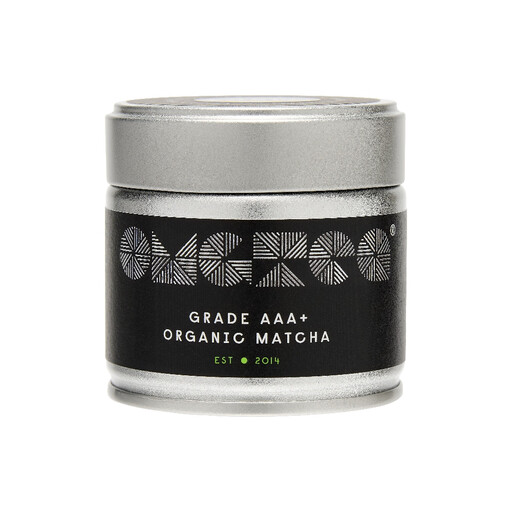
- Why It Stands Out: This is a super-high-grade ceremonial grade matcha designed for the purist. It is crafted from first-harvest leaves, which are slowly stone-ground in a process that takes over an hour for just 30 grams. This meticulous production results in a powder with a microscopic particle size for a silky-smooth mouthfeel. It has also been recognised with a 3-Star Great Taste Award.
- Pros:
- Brilliant, radiant jade green colour.
- Naturally sweet, creamy flavour with deep umami notes and no bitterness.
- Soil Association Certified Organic.
- Fine texture dissolves beautifully for a smooth finish.
- Who is it for: This matcha is ideal for tea enthusiasts who wish to prepare and enjoy matcha in its traditional form (as thin tea, usucha, or thick tea, koicha) and appreciate the nuanced flavours of a premium ceremonial powder.
For the All-Rounder: Otsuka Seicha Shizuoka Matcha Can 30g
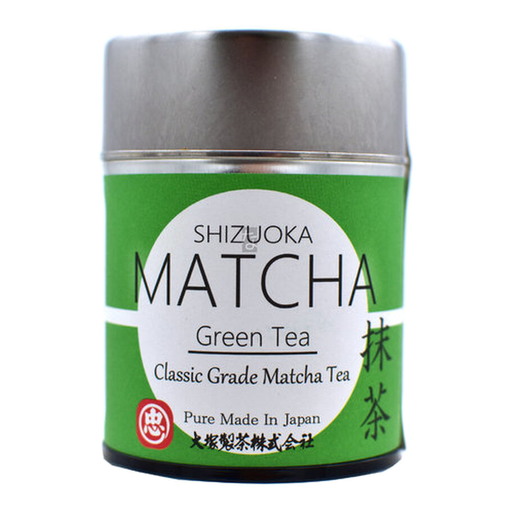
- Why It Stands Out: Hailing from the renowned tea-producing region of Shizuoka, this matcha from Otsuka Green Tea Co. offers exceptional versatility. It is also traditionally stone-ground from shade-grown tencha leaves, ensuring a fine powder that preserves the tea's aromatic profile. Its flavour is perfectly balanced, making it suitable for a wide range of applications.
- Pros:
- 100% pure matcha with no additives.
- Balanced flavour profile with deep umami and a refined, pleasant bitterness.
- Silky-smooth texture.
- Versatile enough for traditional tea, creamy matcha for lattes and culinary creations.
- Who is it for: This is an excellent choice for those who want a single, high-quality powder for multiple uses. It is perfect for home baristas who enjoy making lattes but also want the option to prepare a pleasant bowl of traditional tea.
For a Unique, Low-Caffeine Alternative: OMGTea Organic Hojicha Roasted Matcha 30g
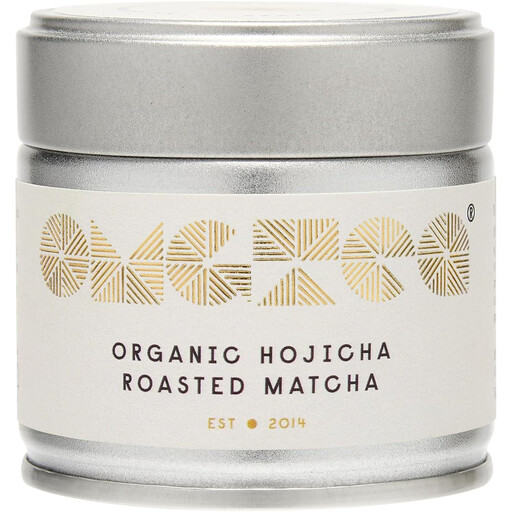
- Why It Stands Out: This isn't matcha, but a close relative that offers a completely different experience. Hojicha powder is made from the same Japanese green tea leaves, but they are roasted before being ground. This roasting process gives the powder a reddish-brown colour, a naturally low caffeine content and a rich, nutty and comforting flavour profile often compared to tiramisu or roasted coffee.
- Pros:
- Rich, nutty and comforting flavour with roasted notes.
- Naturally low in caffeine, making it suitable for any time of day.
- Soil Association Certified Organic.
- Excellent for making creamy lattes, smoothies or flavouring desserts.
- Who is it for: Anyone looking for a warm, comforting drink with less caffeine than coffee or traditional matcha. Its unique, dessert-like flavour profile will appeal to those seeking a new and interesting latte experience.
Exploring Other Aromatic Tea Powders?
If your journey into powdered teas has you curious about other spiced and aromatic blends, you might enjoy exploring the world of chai. For a selection of high-quality powders perfect for creating warming, fragrant lattes at home, take a look at our curated collection.
Discover Our Chai Powder Range
Frequently Asked Questions
1. What is the difference between ceremonial and culinary matcha? Ceremonial grade is the highest quality, made from the youngest leaves for a smooth, sweet flavour ideal for drinking with just water. Culinary grade has a stronger, more robust flavour designed to be mixed with other ingredients in lattes, smoothies and baked goods.
2. How should I store my Japanese matcha powder? Matcha is sensitive to light, air and heat. To maintain its freshness, colour and flavour, store it in an airtight container in a cool, dark place. Once opened, it is highly recommended to keep the container tightly sealed and refrigerated.
3. Is matcha a good alternative to coffee? Many people choose matcha as a coffee alternative. While it does contain caffeine, it also contains an amino acid called L-theanine. The combination of these two compounds is often associated with a state of 'calm alertness', providing sustained energy without the jittery feeling that some people experience from coffee.


