
24/7 Customer Support

Free returns

Same-day & Next-day Delivery

Quality Guaranteed

Unlock Your Welcome Offers: FREE Delivery | Up to 80% OFF | Free 30-day JoyPlus trial
Download the APP
Japanese matcha snacks offer more variety than a standard biscuit aisle: crisp sandwich biscuits, thin wafers, coated biscuit sticks and Uji matcha sweets all have noticeably different textures and flavour profiles. However, attractive packaging can make it difficult to judge what you are actually buying.
Before choosing Japanese matcha snacks, watch for three common pitfalls:
Matcha has a grassy, lightly bitter tea character. In sweet snacks, it is often paired with milk, white chocolate, vanilla, fig or cream flavouring. The percentage helps indicate how prominently the ingredient features, although it does not alone determine the final taste.
For example, the Glico Pocky Biscuit Matcha Flavour lists 10% matcha powder, while the Oreo Ice Cream Matcha Flavour Sandwich Cookies list 1% green tea powder. These products are therefore likely to appeal to different preferences: one places more emphasis on matcha within the coating, while the other combines a lighter tea note with cocoa biscuits and a sweet filling.
If you prefer a more pronounced tea profile, look for matcha or green tea powder reasonably high in the ingredients list. If you are new to matcha, a milder matcha-flavoured snack may be easier to enjoy with a cup of tea or coffee.
The format matters for everyday use:
Check whether the product contains inner packs, individual wrappers or one resealable bag. Once opened, keep biscuits in a cool, dry place and reseal them to reduce exposure to humidity, which can soften crisp textures.
Food sold in the UK should provide relevant product information, including ingredients, allergens, net quantity, storage guidance and a best-before date. Allergens should be easy to identify on the packaging. Common ingredients in these Japanese sweets and green tea biscuits include wheat, milk, egg, soya, barley and, in some products, almond or other nuts.
Nutritional values are generally listed per 100g, but serving formats can differ considerably. A 50g stick pack, a 157g box of individually wrapped cookies and a 16-piece wafer pack are not directly comparable by weight alone. Review the pack size alongside the number of portions to understand what suits your budget and intended use.

Why This Fits Their Persona: A 97g pack containing two packs provides an approachable way to try matcha-flavoured sandwich cookies without committing to a larger format. The individually wrapped biscuits also suit lunchboxes or sharing.
The listing states the green tea powder content, country of origin and allergens, helping shoppers distinguish the product’s matcha note from its cocoa biscuit base.
Two packs, individual wrapping and a ready-to-eat sandwich format.
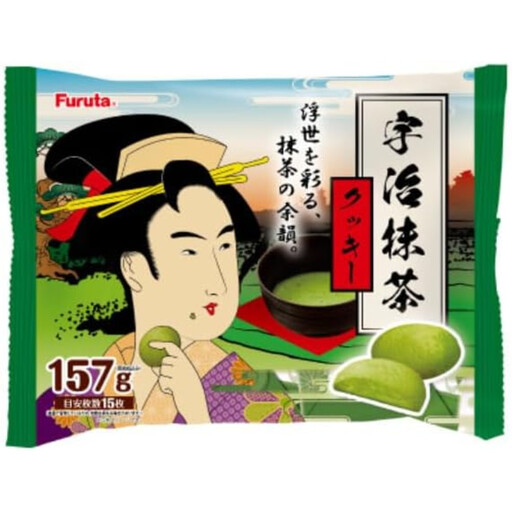
Why This Fits Their Persona: Those seeking a Japanese-made biscuit with a more focused tea identity may appreciate this product’s Uji matcha positioning, crisp texture and individual wrapping for afternoon tea or gifting.
The listing identifies the product as made in Japan and clearly lists wheat, egg and soya allergens, with a warning that milk traces may be present.
157g pack, individually wrapped portions and a stated Uji matcha recipe.
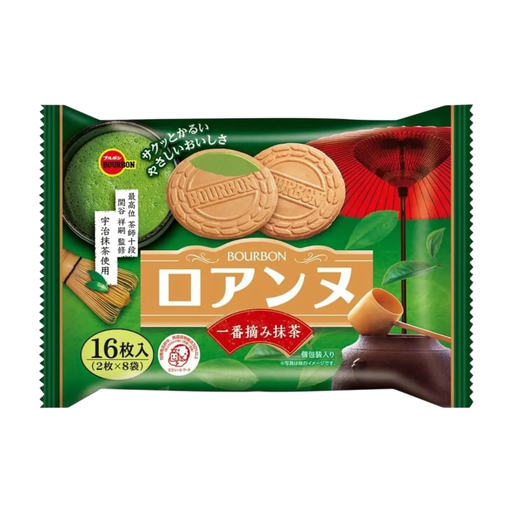
Why This Fits Their Persona: The 16-piece format is practical for households, office snack drawers, afternoon tea tables and gift hampers where individually wrapped portions are useful.
The listing specifies 16 individually wrapped pieces, so the pack is easier to assess for sharing than an unportioned bag.
Uji matcha cream, 134g net weight and individual wrappers.

Why This Fits Their Persona: Coated biscuit sticks provide a different experience from matcha cookies or wafers, making this a suitable pick for snackers who enjoy a crisp format with a creamy matcha coating.
The product listing gives a 10% matcha powder declaration and identifies wheat, barley, milk and soya allergens.
50g ready-to-eat format and a clearly stated matcha powder percentage.
We have compiled a complete, real-time list of products that fully satisfy these strict selection criteria and UK safety regulations.
No. Some products are made in Japan, while Japanese-style or branded snacks may be manufactured in China, Indonesia or other countries. Check the stated country of origin on the product listing and packaging rather than relying on the brand name or visual design.
Look for a larger net weight, multiple inner packs or individually wrapped pieces. The Bourbon Roanne Uji Matcha Cream Wafers contain 16 individually wrapped portions, while larger cookie packs can work well for family tea breaks. Always check the actual piece count, as pack weight alone does not show how many servings are included.
Keep them in a cool, dry place away from direct sunlight, heat and humidity. Reseal opened packaging promptly. This is particularly important for wafer rolls and crisp biscuits, as moisture can affect their texture. Check the packaging for the specific storage instructions and best-before date before eating.