
24/7 Customer Support

Free returns

Same-day & Next-day Delivery

Quality Guaranteed

Unlock Your Welcome Offers: FREE Delivery | Up to 80% OFF | Free 30-day JoyPlus trial
Download the APP
Japanese mayonnaise and salad dressings can add richness, acidity, sesame flavour, spice and umami to everyday meals. They are useful for sushi, noodles, sandwiches, chips, salads, fried foods and cold dishes, but choosing between creamy mayonnaise, flavoured sauces and pourable dressings is not always straightforward.
Packaging can make similar products look interchangeable. In practice, their ingredients, storage instructions, allergen information and intended uses may be quite different. This guide highlights the main buying pitfalls and matches several options to common UK household needs.
Japanese-style mayonnaise often uses egg yolk and rice or brewed vinegar, giving it a fuller texture and a more pronounced savoury tang than many standard mayonnaise products. However, recipes vary considerably.
Some products are egg-free, while others contain a relatively high proportion of egg yolk. Flavoured versions may also include sesame paste, honey, mustard, kimchi concentrate or chilli. Check the ingredient list rather than relying only on phrases such as “authentic” or “Japanese-style”.
A mayonnaise is generally thick enough to spread or use as a dipping sauce. A cold dish dressing, vinegar dressing or lemon dressing is usually more fluid and designed to coat vegetables, noodles or other ingredients.
Buying a thick creamy mayonnaise for a large leafy salad can result in uneven coverage. Conversely, a light dressing may not provide the texture required for sandwiches, sushi toppings or fried-food dips.
Many opened mayonnaise and dressing products need refrigeration. The recommended period after opening varies between products, so bottle size should match how quickly your household will use it.
For example, KENKO Mayonnaise 500g advises refrigeration at 5–10°C after opening and consumption within one month, while KENKO Sesame Mayo Sauce 500g advises refrigeration at 2–8°C and use within 14 days. Always follow the packaging supplied with your purchase, as formulations and instructions can change.
Choose according to how you plan to use the product:
A squeeze bottle or pointed nozzle can also make portioning easier, particularly for sushi, sandwiches and decorative drizzling.
UK food labels identify regulated allergens in the ingredients list. Common allergens in this category include egg, soybeans, mustard, wheat, barley, gluten, sesame, celery and fish.
Kewpie Mayonnaise 450g/Bottle lists egg, soy, barley and mustard. KENKO Mayonnaise lists egg, soy, wheat, barley and mustard. The egg-free Kewpie option does not list egg but does contain soybeans and includes modified starch and xanthan gum.
If you are shopping for a vegetarian product, check the full label and any “may contain” advice. O’Food Kimchi Mayo is described as vegetarian, but its ingredients include kimchi concentrate and gochujang paste, and the product may contain fish.
Mayonnaise is an energy-dense condiment because oil is a primary ingredient. For comparison, the listed nutritional information gives KENKO Mayonnaise 668 kcal per 100g, while Heinz Seriously Good Light Mayonnaise 570g lists 267 kcal per 100g. These products are different styles, so compare the whole nutrition panel rather than assuming that a smaller serving automatically means lower energy intake.
A 275–305g bottle may suit occasional use or a smaller household. A 400–500g bottle is more practical for frequent cooking, while a 775g bottle can make sense for family meals if it will be used before the recommended storage period becomes an issue.
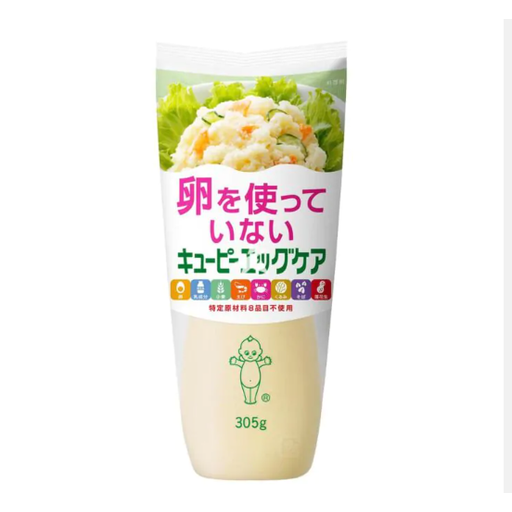
Why This Fits Their Persona: A manageable 305g size for shoppers trying Japanese-style mayonnaise without committing to a larger bottle. It can be used in sandwiches, salads and simple dipping sauces.
Its product description identifies it as egg-free, helping shoppers distinguish it from traditional egg-yolk mayonnaise. The ingredient list should still be checked for soy and other relevant allergens.
Egg-free recipe; compact 305g format; ready to use without preparation.

Why This Fits Their Persona: Suitable for cooks seeking a traditional Japanese mayonnaise profile for sushi, takoyaki, tempura, salads and sandwiches.
The listed recipe specifies pasteurised egg yolk rather than whole egg and identifies vinegar, oil and mustard ingredients, giving a clearer guide to its flavour and allergen profile.
450g squeeze bottle; egg-yolk recipe; suitable for spreading, dipping and mixing.
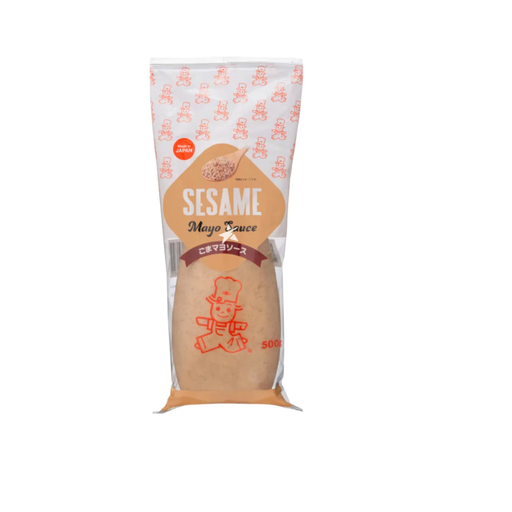
Why This Fits Their Persona: A multi-purpose option for households that regularly prepare salads, burgers, fried chicken, prawns, chips and grilled meats.
It is clearly positioned as a sesame mayo sauce rather than plain mayonnaise, with listed honey and yellow mustard sauce. This makes its sweet, nutty and mildly spicy direction easier to anticipate.
500g pointed-nozzle squeeze bottle; contains 8% honey and 15% yellow mustard sauce; listed without xanthan gum or preservatives.
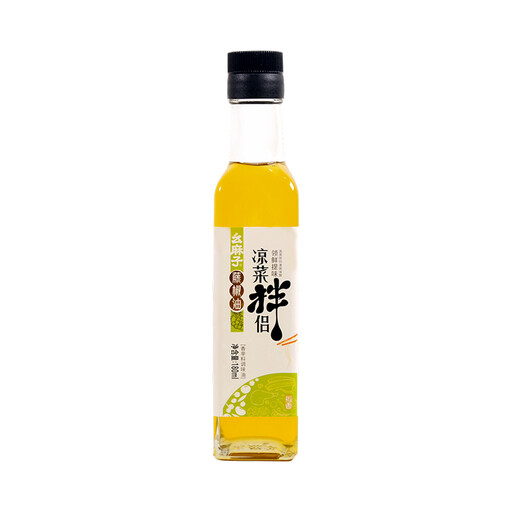
Why This Fits Their Persona: Designed for shoppers who want a non-creamy Sichuan-style dressing for cold salads, noodles and selected stir-fry dishes.
Its purpose is stated specifically for cold dishes, so it avoids the common mistake of expecting a mayonnaise texture. The suggested dosage is 10g oil per 500g ingredients.
Three listed ingredients—rapeseed oil, Sichuan pepper and garlic; ready to use; contains no declared allergens.
For a quick salad dressing, thin Japanese mayonnaise with rice vinegar, lemon juice or a little water, then add soy sauce or toasted sesame seeds to taste. Sesame mayo sauce can work as a ready-made dipping sauce for chips, fried chicken or prawns.
Plain Japanese mayonnaise is also useful as a sandwich spread, sushi condiment or topping for okonomiyaki and takoyaki. Kimchi mayo brings chilli and fermented cabbage flavour to burgers, noodles and rice bowls, while a dedicated cold dish dressing is more appropriate for cucumber, tofu and cold noodle recipes.
Store opened products exactly as directed. Use a clean utensil, avoid leaving bottles in direct sunlight and wipe the nozzle after use to reduce mess and product build-up.
We have compiled a complete, real-time list of products that fully satisfy these strict selection criteria and UK safety regulations.
Yes, plain Japanese mayonnaise can be used as a sushi condiment, sandwich spread, salad ingredient or dipping sauce. Check the flavour profile first: sesame, kimchi and chilli versions may alter the taste of a delicate sushi filling.
There is no single period for every product. Follow the bottle’s refrigeration and consumption guidance. Some products specify use within 14 days, three weeks, four weeks or one month after opening. Keep the cap clean and refrigerate when instructed.
It depends on the individual product. Egg-free mayonnaise may still contain soy or other allergens, while standard mayonnaise commonly contains egg and mustard. Read the current UK label every time, particularly for products containing wheat, barley, sesame, celery or possible fish traces.