
24/7 Customer Support

Free returns

Same-day & Next-day Delivery

Quality Guaranteed

Unlock Your Welcome Offers: FREE Delivery | Up to 80% OFF | Free 30-day JoyPlus trial
Download the APP
As a Joybuy Product Recommendation Officer, my role is to help you navigate the crowded aisles of online shopping. When it comes to Japanese miso products, the choice can be overwhelming. From instant sachets to tubs of dark, rich paste, it’s easy to pick a product that doesn’t quite match your culinary needs. Let's look at how to avoid common pitfalls and select a miso that brings authentic, satisfying flavour to your meals.
Many shoppers find their homemade miso dishes lack the depth of flavour they enjoy in restaurants. This often comes down to a few common purchasing mistakes.
To ensure you get a product that delivers on flavour and versatility, focus on these key parameters.
The colour of miso paste is your first clue to its flavour profile, which is determined by its ingredients and fermentation time.
A quality miso product should have a short, recognisable ingredient list. Look for core components like soybeans, rice (or barley), salt and water. The presence of alcohol is also common, as it acts as a natural preservative. Be cautious if sugar or salt appears before soybeans or rice, or if you see a long list of chemical-sounding additives. For those seeking a traditional Japanese soup base, a cleaner ingredient profile is always preferable.
Your choice between paste and instant sachets depends entirely on your lifestyle and cooking habits.
Based on these criteria, here are a few recommendations tailored to different needs and lifestyles.
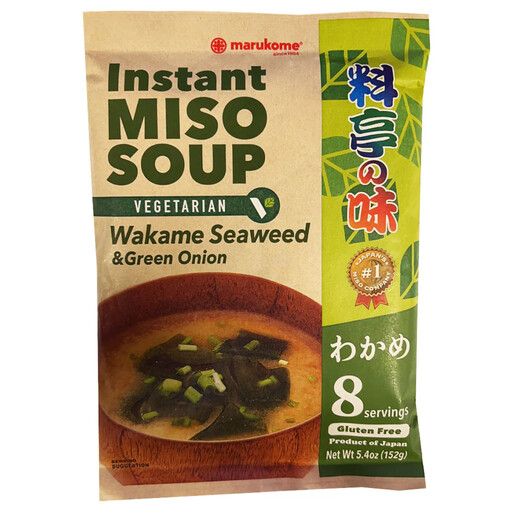
Why This Fits Their Persona: This is the ideal solution for a quick, warming and satisfying meal without the fuss. It's completely vegetarian and provides a nourishing lunch or light dinner that can be prepared in minutes with just hot water.
It avoids the "low-quality instant" trap by using a dashi derived from kelp and shiitake mushrooms, creating a savoury umami flavour without relying on meat or fish stock. The garnish includes tender wakame seaweed.
1. Truly Vegetarian: The broth is plant-based, making it suitable for a wider range of dietary needs. 2. Quick & Simple: Ready in minutes, it's a perfect pantry staple for effortless meals.
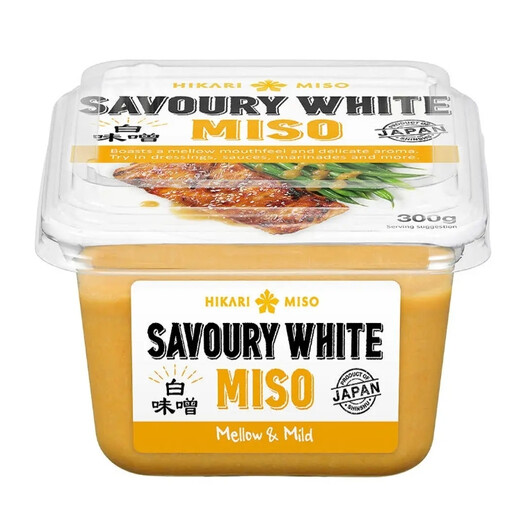
Why This Fits Their Persona: For those wanting to move beyond instant sachets and start cooking Japanese food from scratch, this white miso paste is the perfect gateway. Its mild, versatile flavour works beautifully in a huge range of recipes.
This paste helps avoid the "mismatching" trap. As a gentle shiro miso, it's difficult to overuse and adds a subtle umami depth without overpowering other ingredients, making it very forgiving for beginners.
1. Highly Versatile: Perfect for soups, dressings and light marinades. 2. Authentic Flavour: Made with a simple, traditional ingredient list of water, rice, soybeans, salt and alcohol for genuine taste.
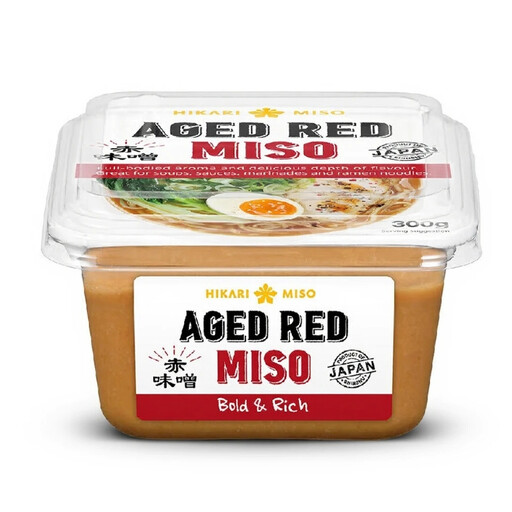
Why This Fits Their Persona: For the cook who craves deep, robust and complex flavours, this aged red miso delivers. It's the ideal choice for creating hearty, restaurant-quality dishes that require a powerful umami foundation.
This product directly counters the "authentic illusion" trap. Its deep flavour comes from a long, slow fermentation process, not from artificial additives, providing a genuinely complex and savoury taste.
1. Robust Flavour: The long ageing process creates a profound, salty and earthy flavour profile. 2. Ideal for Hearty Dishes: Its strong character is perfect for rich soups, stews and marinades for grilled meats.
We have compiled a complete, real-time list of products that fully satisfy these strict selection criteria and UK safety regulations.
1. How long does miso paste last once opened? Once you open a tub of miso paste, it should be stored in the refrigerator in a well-sealed container. Because of its high salt content, it keeps very well. A good quality paste can last for several months, often up to a year. You may notice the colour darkens over time—this is a natural oxidation and ageing process and does not mean it has gone bad.
2. Is miso soup considered a healthy food? Miso is a fermented food, and as such, it can be a source of beneficial bacteria for gut health. However, it is also naturally high in sodium. Therefore, it is best enjoyed in moderation as part of a balanced diet. If you are monitoring your salt intake, be mindful of portion sizes. Many brands also offer wholesome vegetarian miso soup options.
3. Can I use miso for things other than soup? Absolutely. Miso is an incredibly versatile ingredient for miso for cooking. Mild white miso paste is wonderful when whisked into salad dressings, used as a glaze for fish like salmon or cod or even added to caramel sauces for a salty-sweet dessert. Pungent red miso paste is fantastic in marinades for chicken or beef, stirred into stews for depth or mixed with butter to spread on grilled corn on the cob.