
24/7 Customer Support

Free returns

Same-day & Next-day Delivery

Quality Guaranteed

Unlock Your Welcome Offers: FREE Delivery | Up to 80% OFF | Free 30-day JoyPlus trial
Download the APP
As a Joybuy Product Recommendation Officer, my role is to help you navigate the crowded aisles of your weekly shop. When it comes to Japanese noodles, the choice can be overwhelming. From quick lunches for one to stocking the family pantry, finding a product that delivers on its promise of authentic flavour can be a challenge. Many UK shoppers find themselves disappointed by broths that taste more of salt than substance, or noodles that turn to mush in minutes.
This guide cuts through the marketing clutter. We will look at the common pitfalls to avoid when shopping for Japanese noodles and break down the key features that separate a satisfying meal from a disappointing one.
A colourful packet promising a taste of Tokyo can sometimes hide a less-than-perfect product. Here are two frequent issues that can lead to buyer's remorse:
To ensure you are choosing wisely, focus on these two non-negotiable parameters. They will tell you more about the product than the packaging's front cover.
Not all noodles are created equal. Understanding the different types is the first step to finding your preference.
The soul of a Japanese noodle dish is its broth. Look past the generic "chicken" or "pork" labels and check the ingredients for clues to its authenticity.
Instead of a generic list, we have matched specific products to different needs and lifestyles, helping you find the right fit for your kitchen.
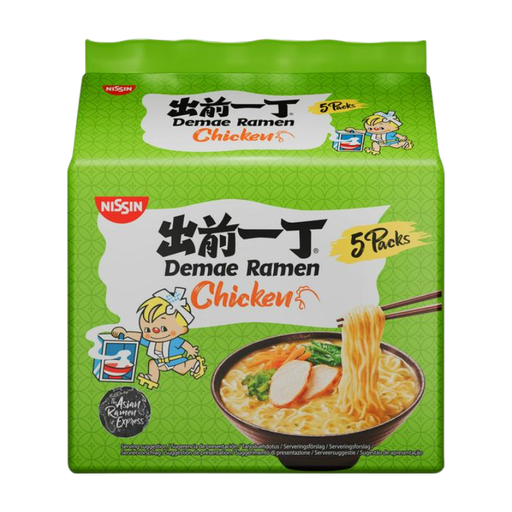
Why This Fits Their Persona: This ramen multipack is a staple for anyone needing a quick, reliable and affordable meal. Ready in just three minutes, it is perfect for a fast lunch between lectures or a simple dinner after a long day at the office.
It sidesteps the "flavour illusion" by offering a balanced and familiar chicken broth from a trusted brand, Nissin. The noodle texture is consistent and holds up well during its short cooking time, avoiding sogginess.
Excellent value in a 5-pack format. The simple flavour profile makes it a versatile base for adding your own ingredients like an egg, spring onions or vegetables.
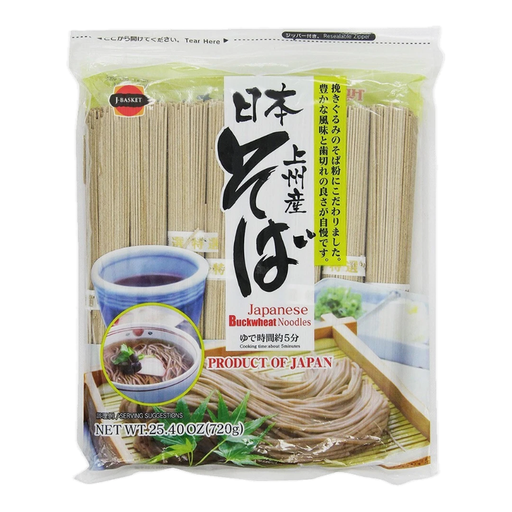
Why This Fits Their Persona: For the home cook who wants control over the final dish, these dried soba noodles are the ideal starting point. They provide the authentic foundation for creating traditional Japanese meals, whether it is a comforting hot noodle soup or a refreshing cold soba salad.
This product directly tackles the "noodle texture gamble." As authentic dried soba with a 52% buckwheat flour content, the focus is entirely on the noodle's quality, firm texture and nutty flavour, which is far superior to generic instant noodles.
High buckwheat content delivers an authentic, earthy taste. The noodles are highly versatile for a wide range of hot and cold Japanese dishes, giving the cook full creative freedom.
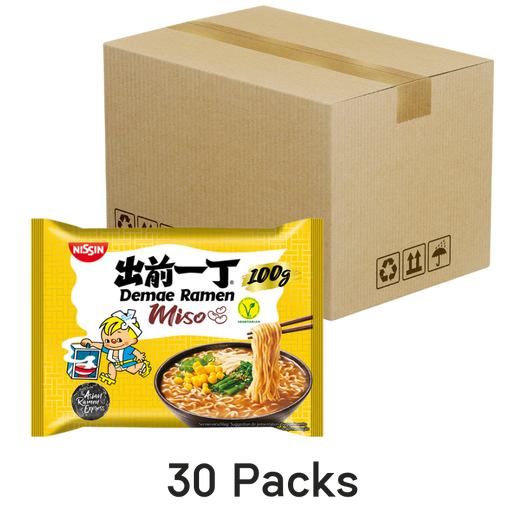
Why This Fits Their Persona: For families or anyone who likes to keep their pantry well-stocked, this 30-pack bulk case of miso ramen offers fantastic convenience and value. It ensures a quick and satisfying meal is always on hand for busy weeknights.
Buying a trusted brand like Nissin in bulk guarantees consistency. You get a rich and savoury miso broth made from real fermented soybeans, avoiding the risk of a bland, overly salty flavour from a lesser-known bulk purchase.
Excellent cost-per-serving with a 30-pack case. The flavour profile is rich and authentic, providing a comforting and hearty meal base that the whole family can enjoy.
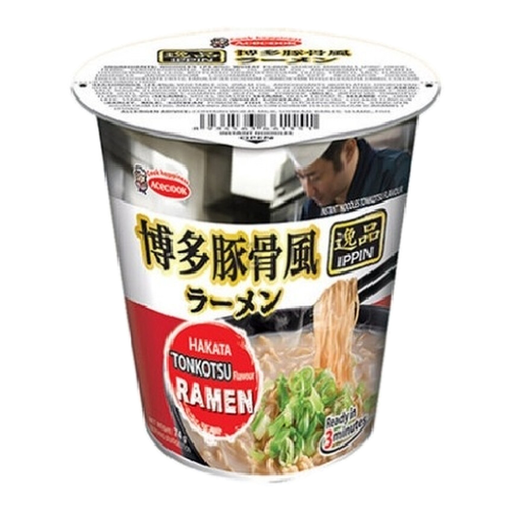
Why This Fits Their Persona: This instant noodle cup is the ultimate in convenience. Requiring only hot water and a few minutes, it is the perfect solution for a satisfying hot lunch at your desk or a quick snack when you do not have access to a hob.
While many cup noodles suffer from bland broths, the Acecook Ippin line is known for more developed flavours. This Hakata-style tonkotsu ramen delivers a creamy, rich pork-flavoured broth that elevates it above standard convenience options.
Maximum convenience with minimal clean-up. The rich tonkotsu-style broth provides a more satisfying and authentic flavour experience than many other instant cups.
We have compiled a complete, real-time list of products that fully satisfy these strict selection criteria and UK safety regulations.
Simple additions can transform a basic bowl of instant noodles. Consider adding a soft-boiled egg, sliced spring onions, blanched greens like pak choi, a sheet of nori (seaweed) or some sweetcorn. A drizzle of sesame oil or chilli oil just before serving can also add a fragrant layer of flavour.
Non-fried noodles are generally lower in fat as they are air-dried during production rather than being flash-fried. This process can also result in a firmer, chewier noodle texture that many people find more appealing and closer to fresh ramen. You can always compare the nutritional information on the packaging to check the fat content.
The primary difference lies in their ingredients and shape.