
24/7 Customer Support

Free returns

Same-day & Next-day Delivery

Quality Guaranteed

Unlock Your Welcome Offers: FREE Delivery | Up to 80% OFF | Free 30-day JoyPlus trial
Download the APP
From a quick student lunch to a comforting evening meal, the world of Japanese noodles offers a convenient and flavourful escape. Yet, the online marketplace is flooded with options, and it's easy to end up with a pantry full of disappointment. Many products promise an "authentic" experience but deliver little more than excessive salt and soggy noodles.
As a Joybuy Product Recommendation Officer, my role is to help you navigate this crowded space. We'll look past the marketing claims and focus on what truly matters, ensuring your next bowl of noodles is a satisfying one. Let's break down the common pitfalls to avoid.
tonkotsu ramen broths lack the creamy richness of a true pork bone soup, and some miso ramen options are disappointingly one-dimensional. The result is a flavour that is either bland or simply tastes artificial.bulk instant noodles case might seem like a bargain, but not if the 'Best Before' date is too soon for you to use them all. Conversely, a ramen multipack can seem affordable, but if the individual portions are too small to make a satisfying meal, you're not really saving money.To make a smart purchase, focus on these three core parameters. They will tell you more about the final product than any flashy packaging.
The noodle itself dictates the texture and overall quality of your meal. Understanding the type is crucial.
cup noodles. The trade-off can be a slightly oily taste and a softer texture.Soba or Chuka Soba): These are uncooked, dried noodles sold in bundles. They require boiling for several minutes, similar to pasta. This category includes traditional buckwheat soba noodles and wheat-based ramen noodles, offering a superior base for home cooks who want to create their own broth.Yakisoba): These noodles are designed specifically for stir-frying. They come in vacuum-sealed packs and are ready to be tossed into a hot pan with sauce and vegetables.The soul of the dish is its broth. Look for key ingredients that indicate a more developed flavour.
tonkotsu ramen will list pork bone extract or a similar ingredient high on its list.Choose a format that fits your lifestyle and pantry space.
Instead of a generic list, we've matched specific products to different needs, helping you find the right fit for your routine.

Why This Fits Their Persona: For students, families or anyone who relies on a quick meal, buying in bulk is the most economical choice. This 30-pack case ensures the pantry is always stocked with a reliable and satisfying classic.
It sidesteps the "value illusion" by offering a genuinely low cost-per-serving. The Nissin Demae Ramen brand is known for its consistent and recognisable tonkotsu flavour, avoiding the "authentic flavour" mirage.
Excellent value for money with 30 individual servings. The rich, creamy pork bone soup flavour is a crowd-pleaser.
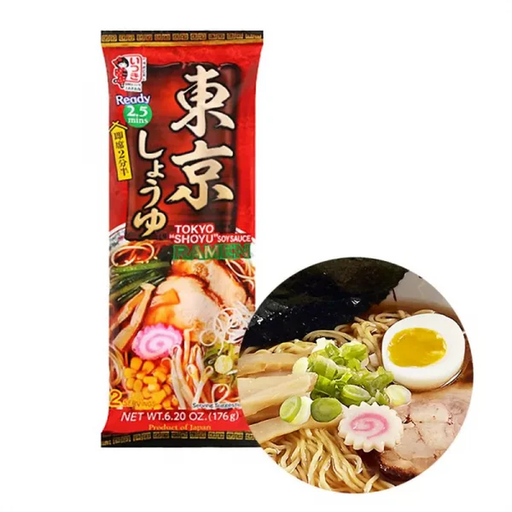
Why This Fits Their Persona: This is for the home cook who wants more than a basic instant meal. They appreciate nuanced flavours and a better texture, seeking a more restaurant-like experience at home.
It directly counters the "noodle texture letdown" with its high-quality, non-fried straight noodles. The unique and refreshing yuzu citrus and shoyu broth is specific and well-defined, avoiding the vague "authentic" claim.
Features firm, smooth noodles with a superior texture. The broth offers a complex, aromatic balance of savoury soy and bright citrus.
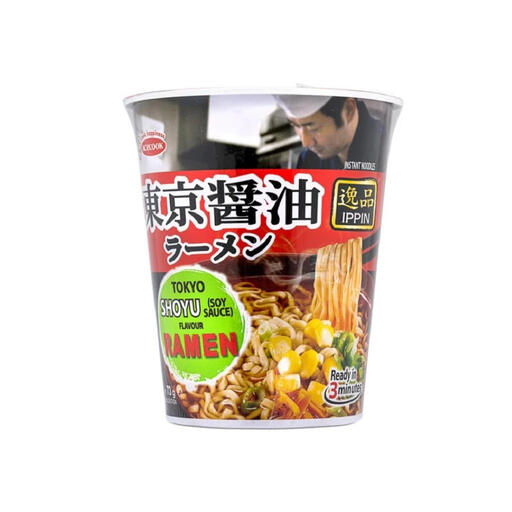
Why This Fits Their Persona: This is for someone who needs a hot, satisfying lunch at their desk or a quick meal with minimal cleanup. The cup format requires only a kettle, making it the ultimate in convenience.
While it is a fried noodle for convenience, the Acecook Ippin line is positioned as a premium cup noodle. It avoids the "weak flavour" trap by providing a more developed Tokyo-style shoyu broth than standard entry-level cups.
Maximum convenience with no hob required. The single-serving format is perfect for portion control and easy storage at the office.
We have compiled a complete, real-time list of products that fully satisfy these strict selection criteria and UK safety regulations.
These are three distinct types of Japanese noodles. Ramen are wheat-based noodles typically served hot in a broth. Soba are noodles made from buckwheat flour, giving them a nutty, earthy flavour; they can be served hot in a soup or chilled with a dipping sauce. Yakisoba translates to "fried noodles" and refers to a specific dish where steamed wheat noodles are stir-fried with meat, vegetables and a sweet and savoury sauce.
Upgrading your instant ramen is easy. Start by adding simple toppings like a soft-boiled egg, sliced spring onions or a sheet of nori (seaweed). For more substance, add leftover cooked chicken, blanched greens like pak choi or a spoonful of sweetcorn. A drizzle of sesame oil or a dash of chilli oil just before serving can also add a great deal of flavour.
For those who eat them regularly, buying bulk instant noodles is almost always more cost-effective. A case of 30 packets can significantly lower the price per meal compared to buying individual packs or a ramen multipack. The key is to check the 'Best Before' date and ensure you have adequate storage space in a cool, dry place. For individuals or those who prefer variety, smaller multipacks might be a better choice.