
24/7 Customer Support

Free returns

Same-day & Next-day Delivery

Quality Guaranteed

Unlock Your Welcome Offers: FREE Delivery | Up to 80% OFF | Free 30-day JoyPlus trial
Download the APP
From a steaming bowl of rich tonkotsu ramen on a chilly evening to a quick and satisfying lunch between meetings, Japanese noodles have become a staple in many UK households. Yet, when you decide to buy ramen online, the sheer variety can be overwhelming. The packaging often promises an authentic taste of Tokyo or Hokkaido, but the reality can sometimes be a flavourless broth and soggy noodles.
As a Joybuy Product Recommendation Officer, my role is to help you navigate the crowded market. We'll look past the marketing claims to identify what truly makes a great noodle experience at home. Before you fill your basket, let's break down the common pitfalls that lead to disappointing purchases.
To ensure you get the flavour and convenience you're looking for, focus on these three core factors. They are the key to finding high-quality Japanese noodles that suit your taste and lifestyle.
Not all Japanese noodles are the same. Understanding the main types will help you choose the right base for your meal:
Check the packaging for preparation instructions. Dried noodles like soba require boiling for several minutes, while most instant ramen packets and Japanese cup noodles are ready after just a few minutes of steeping in boiling water.
The soup is what defines a bowl of ramen. Look beyond generic descriptions and identify the specific broth base to find a flavour you'll genuinely enjoy:
The right format depends entirely on your needs.
Here are a few options that align with different needs, helping you avoid the common pitfalls and find a satisfying meal.

Why This Fits Their Persona: This 30-pack case is ideal for stocking a pantry on a budget. The tonkotsu ramen flavour is a rich and creamy classic, providing a consistently satisfying and quick meal for busy days of studying or work.
It sidesteps the "bulk-buy value illusion" by offering a genuinely economical price per serving. The Nissin brand is known for its reliable flavour, avoiding the "authentic flavour" trap with a well-regarded tonkotsu base.
Excellent value for money. The creamy pork bone soup flavour offers a more satisfying experience than basic instant noodles.
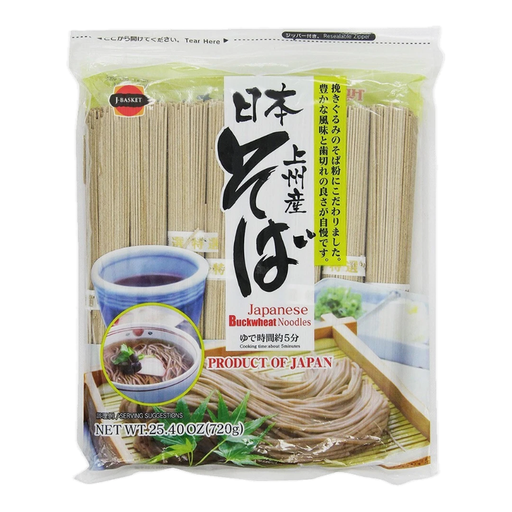
Why This Fits Their Persona: For those who want to move beyond instant soup, these dried soba noodles offer a canvas for creativity. They are perfect for making traditional cold soba with dipping sauce or adding to a homemade dashi broth.
This product directly counters "noodle texture disappointment." Made with 52% buckwheat flour, it delivers the authentic, firm bite and nutty flavour that instant ramen cannot replicate. It's a genuine ingredient, not a quick fix.
Authentic buckwheat flavour and firm texture. Highly versatile for both hot and cold Japanese noodle dishes.
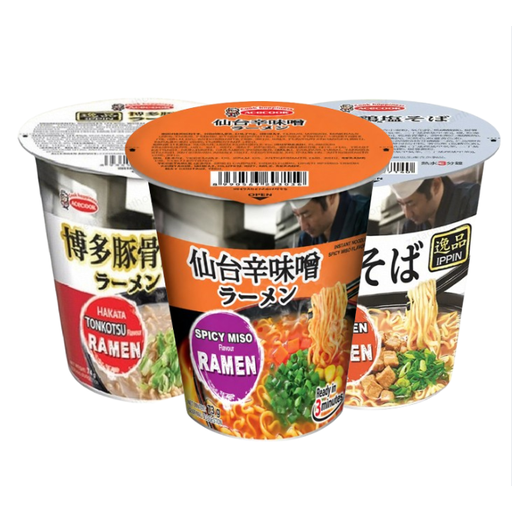
Why This Fits Their Persona: For those needing a meal with zero fuss, this selection of Japanese cup noodles is perfect. With three different flavours (Spicy Miso, Chicken and Hakata Tonkotsu), it offers variety and requires nothing more than a kettle.
This variety pack helps you avoid committing to a bulk case of a single flavour you might not enjoy. It allows you to sample different authentic broth types before deciding on a favourite.
Maximum convenience with no cooking required. The selection of three distinct flavours provides welcome variety.
We have compiled a complete, real-time list of products that fully satisfy these strict selection criteria and UK safety regulations.
The easiest way to elevate a bowl of instant ramen is with toppings. While the noodles are cooking, you can add a soft-boiled egg (marinated in soy sauce for extra flavour), some chopped spring onions, a sheet of nori (dried seaweed) or even some leftover cooked meat. A drizzle of sesame oil or a dash of chilli oil just before serving also adds a great layer of flavour.
Generally, buying in bulk offers a lower cost per unit, making it a smart choice if you have a favourite flavour you eat regularly. However, it's always wise to check the price per 100g to compare it against smaller packs or other brands. This ensures you're truly getting the value you expect when you buy ramen UK.
The primary difference is the main ingredient. Ramen noodles are made from wheat flour and have a springy, chewy texture. Soba noodles are made from buckwheat flour, which gives them a nuttier flavour, a slightly rougher texture and a greyish-brown colour. While ramen is almost always served hot in a soup, soba is equally popular served chilled with a dipping sauce, especially in warmer months.