
24/7 Customer Support

Free returns

Same-day & Next-day Delivery

Quality Guaranteed

Unlock Your Welcome Offers: FREE Delivery | Up to 80% OFF | Free 30-day JoyPlus trial
Download the APP
Navigating the world of Japanese noodles online can be overwhelming. With countless options ranging from hearty ramen noodles to delicate soba, it is easy to end up with a product that doesn't meet your expectations. Many UK shoppers find themselves disappointed by noodles that lack authentic texture or sauce packets that are overly salty and one-dimensional.
As the Joybuy Product Recommendation Officer, my role is to help you see past the marketing clutter. Before you buy Japanese noodles online in the UK, let’s look at a few common pitfalls that can lead to a disappointing meal and wasted money.
To make an informed choice, it helps to understand the fundamental differences between noodle types and formats. Focusing on these three parameters will ensure you get the right product for your needs.
The noodle itself is the star of the dish. Each type has a distinct character suited to different preparations.
How the noodles are packaged significantly impacts convenience and final texture.
The quality of the included seasoning can make or break your meal. Look beyond the front of the packet:
To help you choose, we have matched a few standout options to different needs and lifestyles, all available to buy online in the UK.
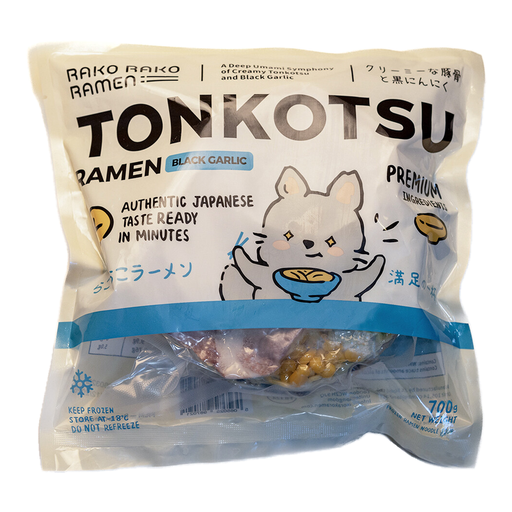
Why This Fits Their Persona: For those short on time but unwilling to compromise on flavour, this all-in-one frozen ramen kit delivers a restaurant-quality meal in minutes. It's the perfect solution for a satisfying dinner after a long day at work.
This kit sidesteps the "instant noodle quality gap" by providing a rich, slow-simmered tonkotsu ramen broth and toppings that are flash-frozen to preserve their flavour and texture, far surpassing a simple powder sachet.
Complete meal with noodles, broth, char siu pork and black garlic oil. Ready in under 12 minutes from frozen with no need to add water.
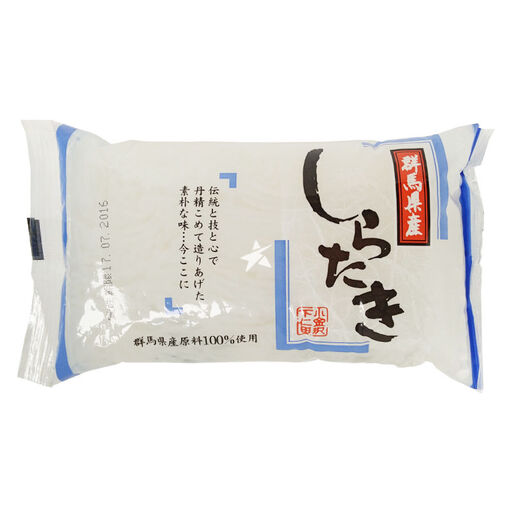
Why This Fits Their Persona: Ideal for anyone following a keto, low-carb or gluten-free diet. These shirataki noodles provide the satisfaction of a noodle dish without the calories or carbohydrates, making them a staple for healthy eating.
This product is the antithesis of the "healthy illusion" pitfall. It is genuinely low-calorie, with clear nutritional information confirming it is fat-free, sugar-free and contains less than 1g of carbohydrates per 100g serving.
Extremely low in calories (10 kcal per 100g). Its neutral taste and chewy texture make it a perfect "flavour sponge" for your favourite healthy sauces and broths.
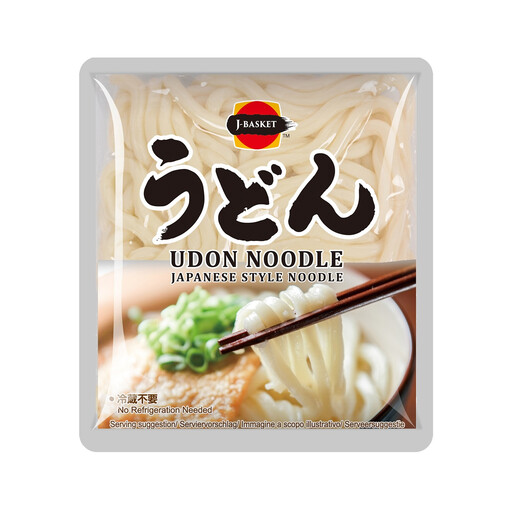
Why This Fits Their Persona: For the cook who loves to build flavours from scratch, these pre-cooked udon noodles are the perfect blank canvas. They provide the authentic, chewy base for homemade Yaki Udon, Kake Udon or any creative noodle dish.
This product avoids the "authentic flavour" illusion by not pretending to be a complete meal. It is an honest, single-ingredient product—quality udon noodles—that empowers you to create your own authentic flavours.
Extremely quick to prepare (cooks in 1 minute) and has a satisfyingly soft and springy texture that holds sauces and broths well. Vegetarian-friendly.
We have compiled a complete, real-time list of products that fully satisfy these strict selection criteria and UK safety regulations.
The primary differences are thickness and texture. Udon noodles are thick, soft and chewy, made from a simple wheat flour dough. Ramen noodles are much thinner and have a distinct springy, firm bite, which comes from the use of alkaline water (kansui) in the dough.
Unopened packs of dried noodles, when stored in a cool, dry place away from direct sunlight, typically have a long shelf life of one to two years. Always check the "best before" date on the packaging. Once opened, it is advisable to store them in an airtight container and use them within a few months for the best texture and flavour.
Yes, for many dietary goals, shirataki noodles are an excellent choice. They are made from konjac yam fibre and are almost entirely free of calories, carbohydrates, fat and sugar. This makes them suitable for weight management, keto and diabetic diets. However, they are low in micronutrients, so it is important to serve them with a variety of vegetables and protein to create a balanced meal.