
24/7 Customer Support

Free returns

Same-day & Next-day Delivery

Quality Guaranteed
Download the APP
Categories
Navigating the world of Japanese alcoholic drinks can be as exciting as it is complex. Among the rising stars in the UK is Japanese plum wine, but the term itself covers a surprisingly diverse range of beverages. From the rich, sweet liqueur known as umeshu to modern, zero-sugar cocktails, finding the right one for your palate can feel like a challenge.
This guide is designed to help you understand the key differences and discover a Japanese plum drink that suits your taste and occasion. As your Joybuy Product Recommendation Officer, I've filtered through the options to provide clear, practical advice, helping you choose with confidence.
Before diving into our recommendations, here are a few points to consider that will help you find your perfect match.
The first thing to understand is the distinction between classic umeshu and contemporary ready-to-drink (RTD) cocktails.
The alcohol by volume (ABV) can vary significantly, which often dictates the ideal setting for enjoyment. A high-strength, bold-flavoured drink like a Suntory Strong Zero plum at 9% ABV is perfect for those who enjoy a potent cocktail experience. In contrast, a lighter, sparkling plum sake cocktail with around 4.5% ABV is better suited for a casual afternoon gathering or as a light aperitif. Traditional umeshu usually sits in the middle, around 10-15% ABV, making it a wonderful after-dinner drink or a base for longer mixed drinks.
While all these drinks centre on the ume plum, their flavour profiles can be quite different. Authentic umeshu like Choya umeshu is celebrated for its classic sweet-and-sour taste. However, if you're watching your sugar intake, you might prefer a zero-sugar option that delivers a sharp, crisp plum flavour without the sweetness. Others introduce new dimensions, blending plum with floral or botanical notes for a more complex and aromatic experience.
Here are three distinct options that showcase the wonderful variety within the world of Japanese plum drinks.
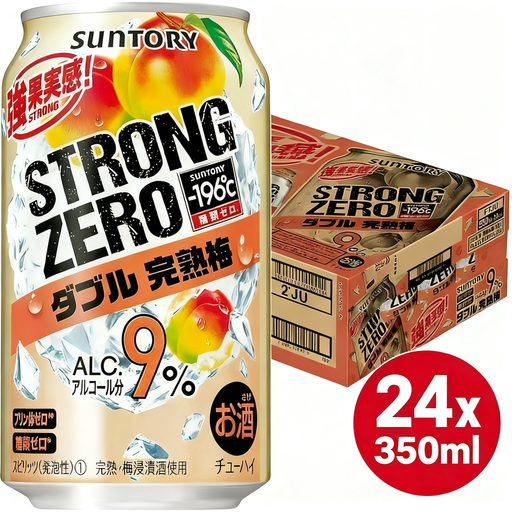
Why It Stands Out: This is a modern Japanese classic for a reason. Suntory uses its patented "-196℃ Freeze Crush Technology," where whole plums are flash-frozen and pulverised to capture their authentic flavour. The "Double Plum" name signifies an intense, fruit-forward taste that is impressively balanced by its high alcohol content.
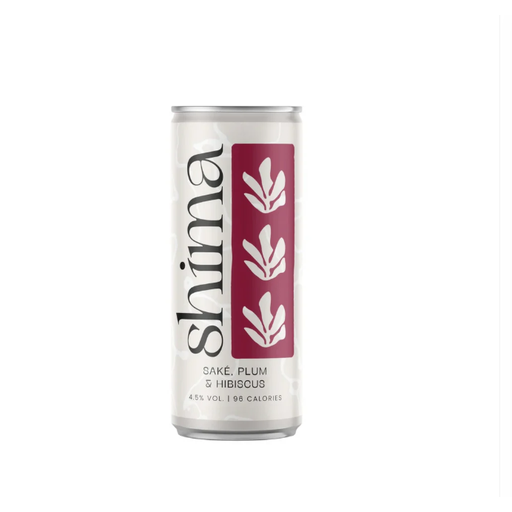
Why It Stands Out: Shima Drinks offers a refined and elegant take on the plum cocktail. By blending a premium sake base with both Damson and Japanese Ume plums, it achieves a deep, jammy fruitiness. The addition of hibiscus adds a bright, floral tartness that lifts the entire drink, while gentle carbonation makes it incredibly refreshing.
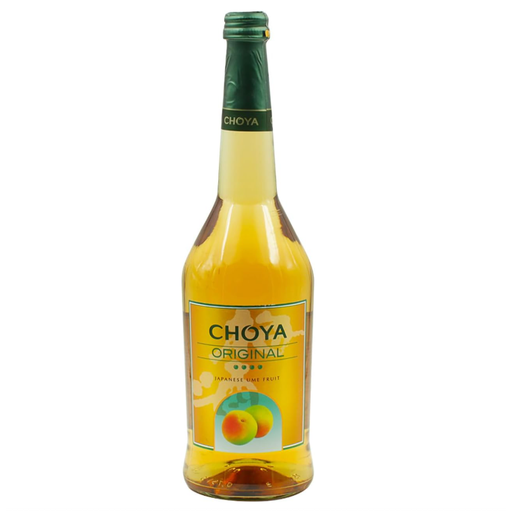
Why It Stands Out: As one of the most recognisable names in umeshu, Choya Original delivers the quintessential plum wine experience. Made by steeping whole ume plums, it strikes a perfect harmony between the fruit's natural tartness and a luscious sweetness. Its greatest strength is its versatility.
If our top recommendations haven't quite matched what you're looking for, or if you're simply curious to see what other unique flavours are available, we invite you to explore our full collection. Discover a wider variety of options in our Japanese fruit wine category and find your next favourite today.
1. Is Japanese plum wine the same as plum sake? Not exactly. While the terms are sometimes used interchangeably, traditional Japanese plum wine, or umeshu, is a liqueur made by steeping ume plums in a neutral spirit and sugar. A plum sake cocktail, like the one from Shima Drinks, uses sake (rice wine) as its alcoholic base, which imparts a different character. True "plum sake" is less common and would involve infusing plums directly into sake.
2. What is the best way to serve umeshu? The beauty of umeshu lies in its versatility. You can enjoy it:
3. What does Japanese plum wine taste like? Most Japanese plum wine has a dominant flavour profile that balances sweetness and tartness. The ume plum itself is more closely related to an apricot, lending a rich stone fruit character with a distinct, tangy finish. However, as seen in our recommendations, variations exist, from intensely fruity and strong to light, floral and even zero-sugar options that are more crisp and dry.