
24/7 Customer Support

Free returns

Same-day & Next-day Delivery

Quality Guaranteed

Unlock Your Welcome Offers: FREE Delivery | Up to 80% OFF | Free 30-day JoyPlus trial
Download the APP
Navigating the world of Japanese plum wine, or umeshu, can be a delightful journey, but it's easy to be misled by confusing labels and marketing hype. Many shoppers find themselves with a bottle that is either cloyingly sweet or lacks the authentic, nuanced flavour they were hoping for. As a Joybuy Product Recommendation Officer, my role is to help you see past the clutter and understand what truly matters when selecting a bottle.
Before you make a choice, be aware of these common purchasing pitfalls:
umeshu but are simply spirits with artificial plum flavouring and colourants. These often have a one-dimensional, synthetic taste and lack the complexity of a properly crafted plum liqueur.sweet Japanese wine can be a red flag. While umeshu is characteristically sweet, premium versions achieve this with a careful balance of fruit tartness and sugar. Cheaper alternatives often use high-fructose corn syrup to mask a harsh base alcohol, resulting in a cloying, unbalanced drink.To ensure you are getting a high-quality product, focus on these three key parameters. They are the true indicators of craftsmanship and flavour.
The vast majority of authentic umeshu is technically a plum liqueur. This traditional method involves steeping whole, unripe Japanese ume plums in a clear spirit (such as shochu, brandy or neutral cane spirit) along with rock sugar. The mixture is then aged for at least six months, and often for several years, allowing the fruit's essence to infuse into the alcohol. This process creates a rich, complex and aromatic drink.
A less common but equally valid method is fermentation, which produces something closer to a true "wine". In this process, the plum juice is fermented with yeast. This typically results in a lighter, crisper beverage with a lower alcohol content. Understanding which method was used will give you a good indication of the final taste profile.
The type of plum used is paramount. High-quality producers often specify the variety, with Nanko ume plums from the Kishu region (Wakayama Prefecture) being particularly prized. These plums are known for their plump, fleshy texture and a perfect balance of high acidity and fragrance, which translates into a more vibrant and complex final product. If the label proudly mentions the plum variety or origin, it is generally a positive sign of quality.
The spirit used as the base has a profound impact on the final flavour. A neutral spirit allows the plum's character to shine, while a base of brandy or aged shochu can add its own layers of complexity. Furthermore, the ageing period is crucial. A bottle labelled "Extra Years" or one that specifies an ageing period of two years or more will typically offer a smoother, deeper and more mellow flavour profile compared to a younger, standard umeshu.
Instead of a generic list, we have matched our recommendations to specific tastes and occasions, helping you find the right bottle for your needs.

Why This Fits Their Persona: This is an excellent starting point for those new to the category. Its unique fermentation process results in a profile that is more akin to a traditional fruit wine—crisp, refreshing and semi-sweet, making it highly approachable and versatile for sipping or mixing.
It sidesteps the "plum flavour" trap by using a sophisticated fermentation of 100% real Japanese ume plums, ensuring an authentic fruit character rather than artificial additives.
The fermentation method provides a beautifully balanced profile where fruity sweetness is offset by a tangy acidity, making it exceptionally refreshing.
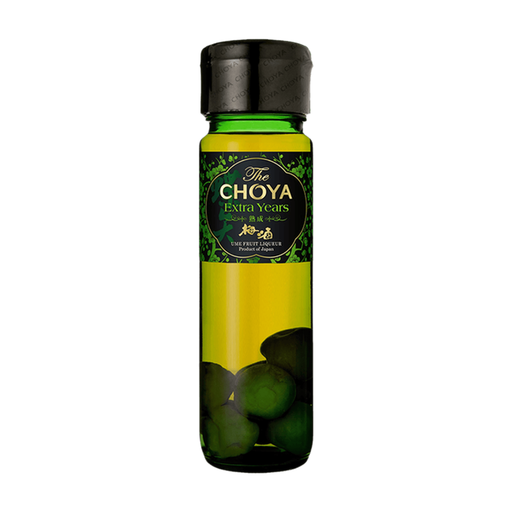
Why This Fits Their Persona: For those who host gatherings or enjoy crafting high-quality home cocktails, this bottle delivers. The extended ageing process creates a deeply complex and velvety liqueur that stands up beautifully on its own or as the base for sophisticated plum wine cocktails. The whole plums inside also provide an impressive visual for guests.
This is the antithesis of the "gimmick" trap. The whole plums are backed by a genuinely superior liquid, crafted from 100% premium Nanko ume plums and aged for 2-3 years for a rich, multi-layered taste.
Exceptional complexity with notes of marzipan and stone fruit. The perfect harmony of intense sweetness and vibrant acidity makes it incredibly versatile for sipping or mixing.
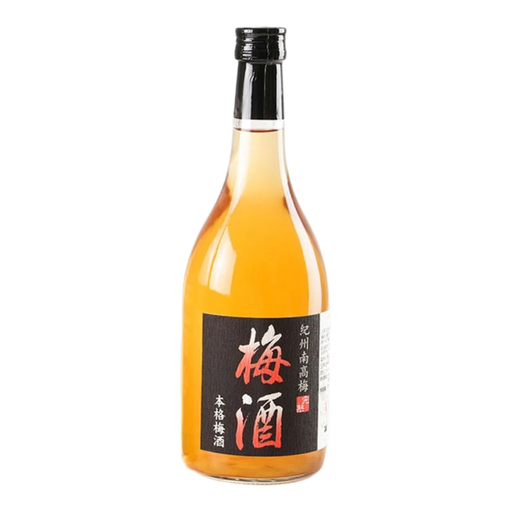
Why This Fits Their Persona: This bottle is for the purist who values time-honoured craftsmanship. It embodies the classic steeping method, using premium Kishu Nanko plums to create a silky, full-bodied liqueur that celebrates the authentic, unadulterated character of traditional umeshu.
It avoids the unbalanced sweetness trap by forgoing artificial flavours or syrups. Its rich profile comes from the slow maceration of high-quality plums in alcohol and pure cane sugar, developing natural complexity over time.
Delivers a luxurious, layered palate with notes of bright plum, warm caramel and a subtle nutty finish. The texture is exceptionally smooth and well-balanced.
We have compiled a complete, real-time list of products that fully satisfy these strict selection criteria and UK safety regulations.
The versatility of umeshu is one of its greatest strengths. There are several popular ways to enjoy it:
umeshu with two parts sparkling water or soda for a light and bubbly long drink.plum wine cocktails. It pairs well with gin, whisky and sparkling wine.This is a common point of confusion. Most products labelled as Japanese plum wine are, in fact, a plum liqueur (umeshu). They are made by steeping ume fruit in distilled spirits, not by fermenting fruit juice. Therefore, they are not "wine" in the technical sense, like a grape wine. However, some brands, like Hakutsuru, do use a fermentation process, making their product stylistically closer to a fruit wine.
While similar, there are differences. Korean plum wine, known as maesil-ju, is also made by steeping green plums and sugar in a spirit (typically soju). The flavour profiles can be very similar, often sweet and tart. However, the specific type of plum used and the characteristics of the base spirit can lead to subtle variations in taste and aroma. Both offer a delicious fruit liqueur experience.