
24/7 Customer Support

Free returns

Same-day & Next-day Delivery

Quality Guaranteed

Unlock Your Welcome Offers: FREE Delivery | Up to 80% OFF | Free 30-day JoyPlus trial
Download the APP
Japanese plum wine and plum products cover a wide range of flavours, formats and uses. You may be looking for umeshu to serve chilled, a non-alcoholic plum juice for everyday drinking, umeboshi for rice dishes, or dried plums for snacking. However, product names can make similar-looking items seem interchangeable when they are not.
Before buying, check the label rather than relying on phrases such as “traditional”, “premium” or “natural”. The following guide highlights common buying traps, key specifications and suitable choices for different households in the UK.
Japanese plum wine is generally a sweet fruit liqueur made by steeping ume plums in alcohol with sugar. Plum sake may use a sake base, but the name alone does not tell you the production method or sweetness level. Some products described as plum drinks are completely alcohol-free, while others are alcoholic umeshu.
Always check:
For comparison, a 750ml bottle at 12% ABV contains approximately 9 units, while a 700ml bottle at 17% ABV contains approximately 11.9 units. The higher-strength option may require smaller servings.
Umeshu is often sweet by style, and alcohol-free plum drinks can also contain substantial sugar. A product can contain real plum, plum juice or smoked plum while also including sugar, glucose syrup, flavourings, colourings or acidity regulators.
For example, a sour plum drink may deliver a smoky, sweet-and-sour taste but still contain around 10.5g of sugar per 100ml. Check the ingredients and nutrition panel, particularly if you plan to drink it regularly.
Preserved plums and umeboshi can be intensely salty. One shiso umeboshi product lists 25g of salt per 100g, so it is more suitable as a small accompaniment to rice or a seasoning ingredient than as a handful snack.
Dried plum products may contain sweeteners, preservatives or sulphites. Some also include phenylalanine, which is unsuitable for people with phenylketonuria. Read the allergen and warning information before serving them to children or guests.
Choose the strength according to how you intend to serve the drink. A 12–13% umeshu may suit a small glass over ice, while a stronger 17% plum liqueur can work better as a measured digestif or cocktail ingredient. Mixing with soda water changes the intensity but does not remove the alcohol.
UK buyers should also check that the bottle is clearly marked 18+ and follow responsible drinking guidance. Do not drink and drive, and keep alcoholic products away from children.
If Japanese origin matters, look for a stated country and region rather than relying on Japanese-style branding. Products in this selection include bottles made in Japan, such as umeshu from Kobe, Wakayama and Iwate, as well as plum snacks and drinks made in China, Taiwan or Korea.
Production details can also affect flavour:
A 300ml bottle is useful for trying a distinctive style without committing to a larger format. A 700–750ml bottle is more practical for sharing or cocktails. Multipacks of plum juice or sour plum drink suit households that already know they enjoy the flavour.
After opening, follow the label. Several plum wines advise refrigeration, while sauces, preserved plums and juice may require prompt consumption after opening. Also check for sulphites, milk, liquorice and other declared ingredients where relevant.

Why This Fits Their Persona: The 750ml bottle gives newcomers a conventional sharing size for dinners, small gatherings or serving over ice.
The label states 12.5% ABV, 12% plum juice and 9.4 units per bottle, making the strength and composition easier to assess.
Made in Kobe, Japan; suitable for vegetarians and vegans; can be served neat, with soda or in cocktails.
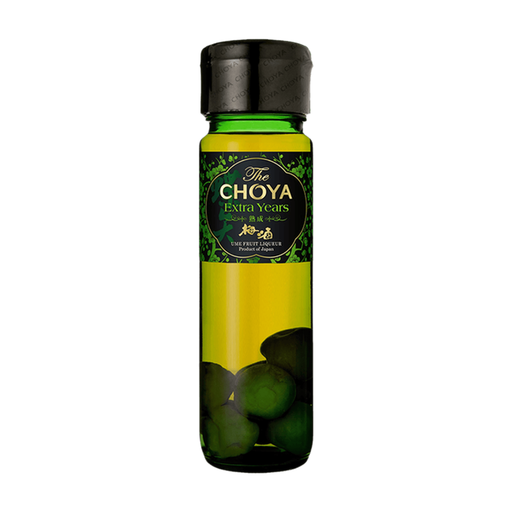
Why This Fits Their Persona: A bottle with whole ume plums and a 17% ABV suits gifting, slow sipping and occasions where presentation matters.
The product information identifies the Japanese origin, Kishu Nanko ume, 17% ABV and 11.9 units per bottle instead of leaving key details to marketing language.
Includes whole plums; suitable for vegetarians and vegans; works neat, over ice or topped with sparkling water.
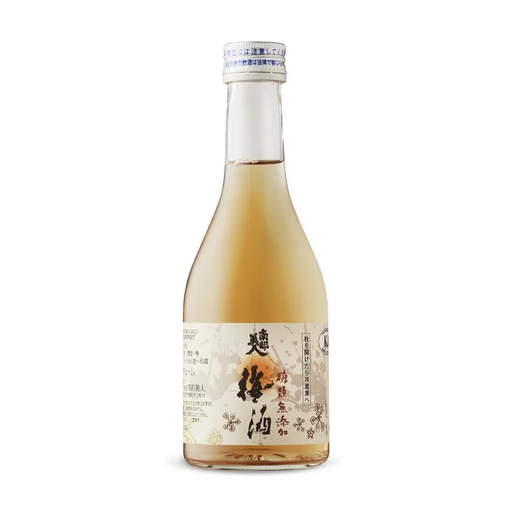
Why This Fits Their Persona: The smaller bottle is a practical format for trying a sake-based ume drink with a less overtly sweet style.
“No added sugar” is supported by the listed ingredients, but the nutrition panel still shows 15g of sugars per 100ml, so it is not a sugar-free drink.
12% ABV; sake, koji rice and ume are listed ingredients; no artificial sweeteners or preservatives are listed.
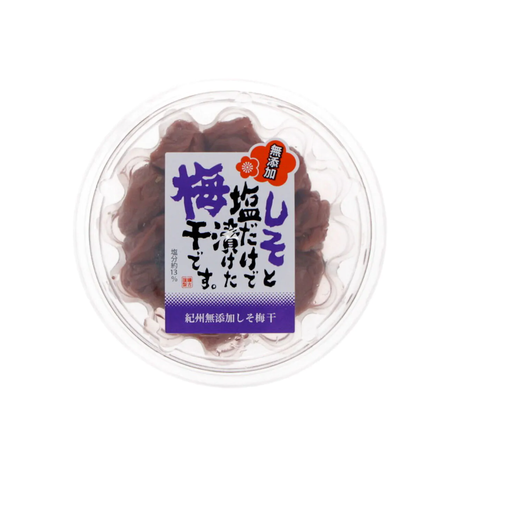
Why This Fits Their Persona: A 140g jar is suited to rice bowls, onigiri, dressings and small portions alongside meals rather than casual sweet snacking.
The label clearly warns that it contains plum stones and has very high salt content, allowing portion size and preparation to be planned.
Made in Japan; includes shiso; ready to eat and suitable for chopping into rice dishes, dressings and sauces.
We have compiled a complete, real-time list of products that fully satisfy these strict selection criteria and UK safety regulations.
No. Japanese plum wine, or umeshu, is usually a plum liqueur made by infusing ume in alcohol and sugar. Plum sake may use a sake base, but recipes differ. Check the ingredients, ABV and production details rather than relying on the product title.
Follow the specific bottle instructions. Many products recommend storing unopened bottles in a cool, dark place and refrigerating after opening. Keep the cap tightly closed and check the packaging for the recommended consumption period.
Choose an alcohol-free option such as plum juice, a sour plum drink or instant plum drink powder. Compare sugar levels, allergens and serving instructions: these products can vary considerably in sweetness, and some contain milk or other declared ingredients.