
24/7 Customer Support

Free returns

Same-day & Next-day Delivery

Quality Guaranteed

Unlock Your Welcome Offers: FREE Delivery | Up to 80% OFF | Free 30-day JoyPlus trial
Download the APP
Japanese ramune drinks are popular for two reasons: their lively fruit-flavoured fizz and the distinctive bottle sealed with a glass marble. They can make a picnic, themed party or Japanese food night feel more memorable, but the product pages do not always make the important buying details obvious.
Before ordering Japanese soda online, watch for three common pitfalls:
Traditional ramune soda usually comes in a Codd-neck glass bottle. A plastic plunger pushes the marble into the neck chamber, allowing the drink to open. The marble remains inside the bottle and must not be removed.
This format suits collectors, gifts and parties where the opening ritual is part of the appeal. However, it is less convenient for transport than an aluminium can and requires more care around children. Most individual Hata bottles in the selection contain 200ml, making them a compact, single-serving drink.
Canned Japanese soda, such as Sangaria Ramune Fruit Flavoured Soda, contains 250g per can and has no marble opener. It is easier to chill, carry to a picnic or serve at a larger event. Sangaria also offers a three-flavour bottle collection with 500ml bottles, which may suit shoppers who prefer a larger drink to share or enjoy over a longer occasion.
“Fruit-flavoured ramune” can mean different things. Some products list fruit juice concentrate, such as the Hata Lychee and Yuzu varieties, while others primarily list sugar, acidulant and flavourings.
Always review the current packaging, particularly if you have an allergy or are buying for guests. Several products list no known allergens, but the strawberry Hata Ramune may contain traces of soya or milk, and the Sangaria three-flavour collection includes a grape drink listing wheat as an allergen. Product formulations and packaging information may change, so the label supplied with the drink should take priority over an older online description.
The range includes familiar options such as melon ramune, strawberry ramune, blueberry ramune and lychee ramune, alongside more distinctive choices such as yuzu ramune, white peach and sakura cherry blossom cola.
Ramune is a sweet carbonated soft drink rather than a low-sugar refreshment. Listed examples contain approximately 39–46 kcal and around 9.7–11.5g of sugar per 100ml, depending on the product. A 200ml bottle can therefore contain roughly 19–26g of sugar. Check the nutrition panel if you are comparing flavours or planning refreshments for a group.
For flavour and carbonation, chill unopened drinks before serving. Store them in a cool, dry place away from direct sunlight and heat, and do not freeze glass bottles or cans. Do not shake a marble bottle before opening, as pressure can cause splashing. Once opened, refrigerate any unfinished drink and consume it promptly—often within the same day or within one to two days, according to the product instructions.
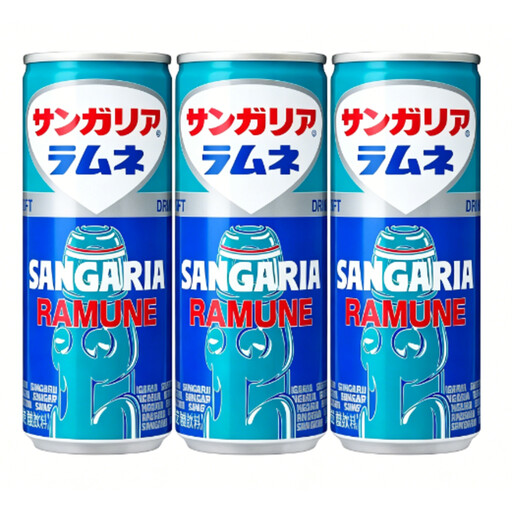
Why This Fits Their Persona: A three-can format lets first-time shoppers try Japanese ramune soda without committing to a larger collection. The lightweight cans are also practical for a picnic, lunchbox or casual drink at home.
It avoids the fragile marble-bottle format and clearly provides three 250g cans, making the quantity easier to plan.
Made in Japan according to the listing; ready-to-drink aluminium cans with no known allergens listed.
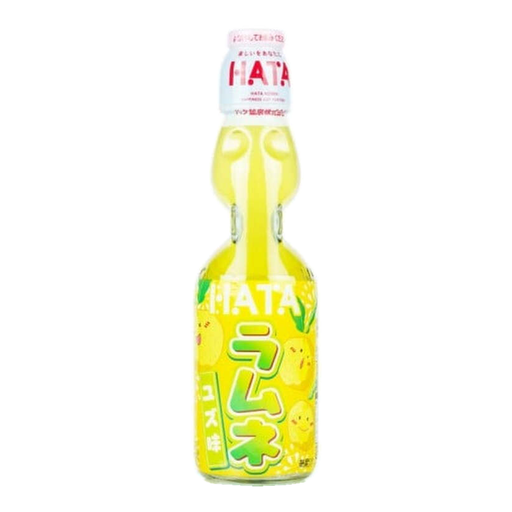
Why This Fits Their Persona: Yuzu offers a citrus-led alternative to sweeter berry flavours, making this a considered choice for adults exploring less familiar Japanese soft drinks with a traditional presentation.
The listing identifies yuzu juice concentrate rather than relying only on a colour-based flavour description, while advising buyers to confirm the full package label.
200ml glass bottle with marble opening; made in Japan according to the product information.
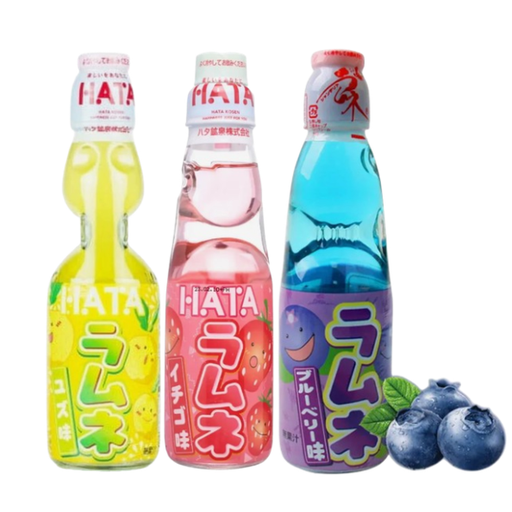
Why This Fits Their Persona: The three-flavour selection is suited to parties, Japanese-themed events and households where guests have different preferences.
A mixed bundle reduces the risk of ordering several bottles of one flavour before knowing what your guests prefer.
Includes yuzu, blueberry and strawberry 200ml drinks; supplied in the interactive Codd-neck format.
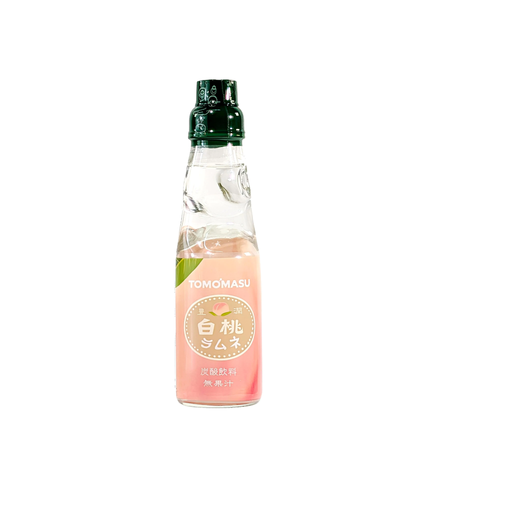
Why This Fits Their Persona: Its white peach flavour and glass marble-opening design suit a gift hamper, themed table setting or novelty-drink collection.
The product description specifies the 200ml glass format and advises prompt consumption after opening, helping set realistic expectations for gifting and serving.
White peach flavour; traditional marble-opening bottle with no allergens listed.
We have compiled a complete, real-time list of products that fully satisfy these strict selection criteria and UK safety regulations.
Use the supplied plunger to open a marble bottle on a stable surface. Press firmly but gradually, keeping the bottle upright and away from your face. The bottle, seal and marble should be kept away from young children because the glass and marble present a choking and breakage hazard.
For a broader flavour comparison, consider a Japanese ramune gift bundle containing original, melon, lychee, yuzu, blueberry and strawberry varieties. If you prefer a less interactive format, cans provide straightforward opening and simpler recycling. Check local council guidance, as recycling rules for glass, aluminium and plastic packaging vary across UK areas.
No. The products described here are carbonated soft drinks and are marketed as non-alcoholic refreshments. They are ready to drink and are generally served chilled.
Remove the outer seal, place the supplied plastic plunger over the marble and press down firmly. The marble drops into the neck chamber. Do not try to remove it, and avoid shaking the bottle beforehand to reduce splashing.
For the most enjoyable fizz, drink it promptly after opening. Depending on the product instructions, any remainder should be sealed or covered, refrigerated and consumed within the same day or within one to two days. Always follow the storage and best-before information printed on the packaging.