
24/7 Customer Support

Free returns

Same-day & Next-day Delivery

Quality Guaranteed

Unlock Your Welcome Offers: FREE Delivery | Up to 80% OFF | Free 30-day JoyPlus trial
Download the APP
Japanese Ramune soda is more than a fruit-flavoured fizzy drink. Its marble-sealed bottle, compact 200ml serving and colourful flavours make it popular for anime-themed gatherings, Japanese food nights, picnics, gifts and nostalgic treats.
However, not every Japanese soft drink sold as Ramune offers the same experience. Before ordering Japanese drinks online, check the bottle format, country of origin, ingredients, pack size and opening instructions. These details can affect whether you receive the traditional marble bottle soda you expected or a convenient canned alternative.
“Ramune” generally refers to a Japanese-style carbonated soft drink associated with the Codd-neck glass bottle and its internal marble seal. Some products retain this classic design, while others, including Sangaria Ramune Fruit Flavoured Soda, are supplied in aluminium cans.
A can may be easier to transport and chill, but it does not provide the interactive marble-opening experience. If the bottle is important for a party, gift or Japanese festival-style presentation, check the product images and description carefully.
Fruit-flavoured Ramune can vary considerably. Yuzu, lychee, peach, blueberry, strawberry and melon versions may use different flavourings, juice concentrates, preservatives and colourings. Some listings also state that products are free from major allergens, while others advise checking for possible traces of milk or soya.
Always read the current packaging before serving anyone with an allergy or dietary restriction. Product formulations can change, and online descriptions may not include every package-specific warning.
A traditional bottle often contains around 200ml, which is convenient for individual portions but may be less economical than larger soft drink formats for a large gathering. A six-pack or multi-flavour bundle can make planning easier, while individual bottles are more suitable when you want to sample a new flavour without committing to a larger quantity.
Ramune is also typically a sugary fizzy drink. For example, the Tomomasu White Peach Ramune listing provides 44 kcal and 9.4g of sugars per 100ml, equivalent to approximately 88 kcal and 18.8g of sugars per 200ml bottle. Check the nutritional panel and enjoy it as part of a balanced diet.
Choose the format according to how you intend to use the drink:
A Ramune gift bundle can also be more appealing than a single bottle when the recipient enjoys Japanese confectionery, anime culture or unusual fizzy drinks.
Before opening a marble bottle soda, chill it thoroughly and avoid shaking it. Remove the seal, place the supplied plunger over the marble and press down firmly. The marble drops into the neck chamber, where it remains while you drink.
Do not try to remove the marble. The bottle is under pressure, so open it carefully to reduce splashing. The glass bottle and marble can present a hazard to young children; parental supervision is appropriate. Do not buy or consume a bottle that is cracked, leaking or visibly damaged.
Look for the following information on the product page and packaging:
Unopened drinks should generally be kept in a cool, dry place away from direct sunlight and heat. Do not freeze glass bottles or cans. Refrigerate opened drinks and consume them promptly, as carbonation and flavour decline after opening.
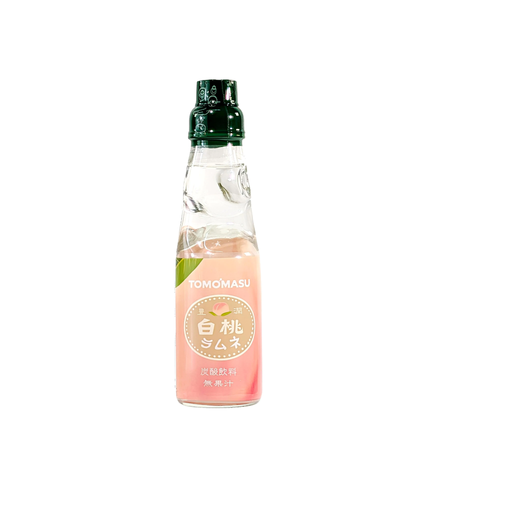
Why This Fits Their Persona: A single 200ml bottle lets first-time buyers try peach Ramune without purchasing a larger bundle. It suits an evening snack, dessert pairing or chilled drink at home.
The listing clearly identifies a traditional marble-opening glass bottle, helping buyers distinguish it from canned Japanese fizzy drink formats.
200ml serving; no allergens listed; white peach flavour; nutrition and storage details are provided.
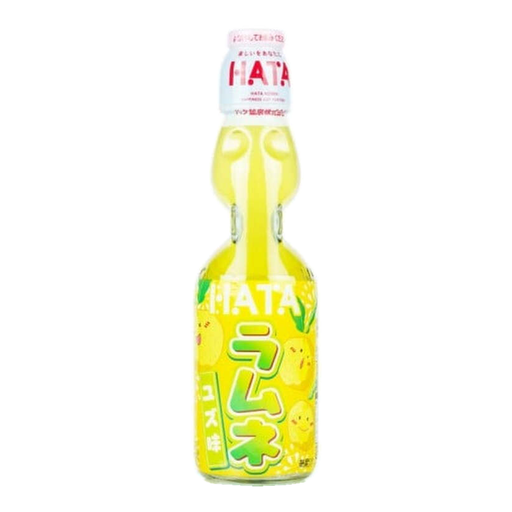
Why This Fits Their Persona: This suits shoppers seeking a traditional Japanese drink with a distinctive citrus profile rather than a standard sweet berry flavour.
The product information specifies a Codd-neck glass bottle, opening method, 200ml quantity and Made in Japan origin.
Yuzu juice concentrate is listed; supplied with a plastic opener; no major allergens are listed.
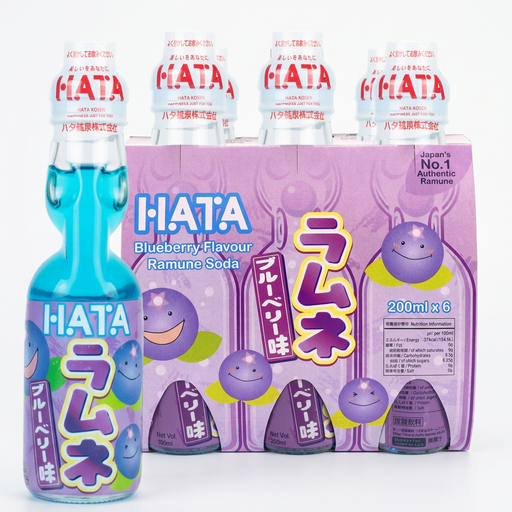
Why This Fits Their Persona: Six matching bottles are convenient for birthdays, student gatherings, Japanese-themed meals or households where several people enjoy the same fruit flavour.
The six-bottle quantity is stated clearly, avoiding the common mistake of ordering one bottle when drinks are needed for a group.
Six 200ml servings; blueberry flavour; storage guidance states to avoid direct sunlight and high temperatures.
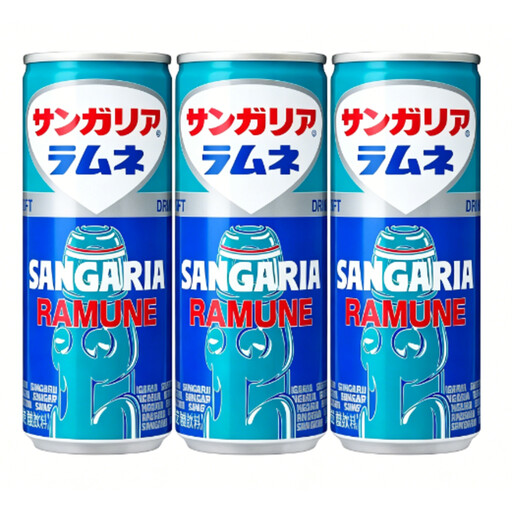
Why This Fits Their Persona: Cans are easier to carry to a park, festival or outdoor lunch and remove the need to handle glass bottles and marbles.
The listing identifies a three-can pack and makes clear that this format does not include the traditional marble bottle.
Three 250g cans; Made in Japan; 41 kcal and 10.2g sugars per 100g are stated on the listing.
For children, supervise the opening process and drinking. The marble should remain inside the bottle and must not be treated as a toy.
We have compiled a complete, real-time list of products that fully satisfy these strict selection criteria and UK safety regulations.
No. Japanese Ramune soda is a non-alcoholic carbonated soft drink. It is commonly sold in fruit flavours such as peach, blueberry, yuzu, lychee, strawberry and melon. Check the product label if you require confirmation for a particular item.
For the most enjoyable carbonation, drink it soon after opening. If the bottle is not finished, keep it refrigerated and follow the product’s specific instructions. Several listings recommend consuming opened Ramune within the same day or within 24–48 hours.
The drink itself is non-alcoholic, but marble-sealed glass bottles require care. The marble and bottle components can present a choking or breakage hazard, so young children should be supervised. Also check sugar, colourings and allergen information before serving.