
24/7 Customer Support

Free returns

Same-day & Next-day Delivery

Quality Guaranteed

Unlock Your Welcome Offers: FREE Delivery | Up to 80% OFF | Free 30-day JoyPlus trial
Download the APP
Japanese ready-to-drink cocktails make it easy to enjoy fruit-led flavours without buying spirits, mixers and garnishes separately. Japanese chuhai and chu-hi drinks are typically carbonated, served chilled and sold in convenient cans, often in a 350ml format.
However, product descriptions can make similar drinks sound interchangeable when the alcohol strength, sweetness, ingredients and serving format differ considerably. This guide explains what to check before ordering, followed by our top recommendations for different drinking preferences and occasions.
Many Japanese canned cocktails sit around 3% ABV, but this is not universal. A stronger product such as Suntory Strong Zero Double Plum Sour is listed at 9% ABV and approximately 3.15 UK alcohol units per 350ml can.
For comparison, a 3% 350ml can may contain roughly 1.05–1.4 units, depending on the product. Always check the alcohol percentage and stated units rather than relying on terms such as “light”, “easy-drinking” or “mild”.
Words such as “natural”, “fresh” and “premium” describe the intended drinking experience, not necessarily the quantity or type of fruit used. For example, some Asahi Slat listings specify 1% peach juice, while flavour may also come from flavourings, acidulants and sweeteners.
If you have allergies, dietary preferences or strong dislikes, check the ingredient and allergen information on the product page and the can received. Imported products can also have packaging or formulation updates.
A lower-priced can is not automatically better value if the flavour does not suit your preferences or if you wanted a different alcohol level. Compare can size, ABV, number of cans in the case, sugar and carbohydrate information, as well as storage requirements.
A 350ml can is a convenient single-serving format, but a case purchase is more economical only when you are confident that you will enjoy the flavour.
For UK shoppers, ABV is the quickest way to compare Japanese chu-hi products. A 350ml drink at 3% ABV contains less alcohol than a 350ml drink at 9%, even though the can size is identical.
Use the stated alcohol units where available and remember that low-ABV fruit drinks can still contribute to your overall alcohol intake. Products on this guide are for adults aged 18 and over. Drink responsibly, do not drive after drinking and avoid alcohol during pregnancy.
Japanese fruit cocktails cover several distinct styles:
Nutrition panels are useful here. The supplied listings show that carbohydrate and sugar levels vary between products, so do not assume that every Japanese fruit cocktail has the same sweetness.
Most Japanese canned cocktails should be stored in a cool, dry place away from direct sunlight and served chilled. Refrigerating before opening improves the carbonation and refreshment, while opened cans should generally be consumed promptly.
Check the product page for:
Imported beverage details can vary by batch, so the label on the delivered product should take priority.
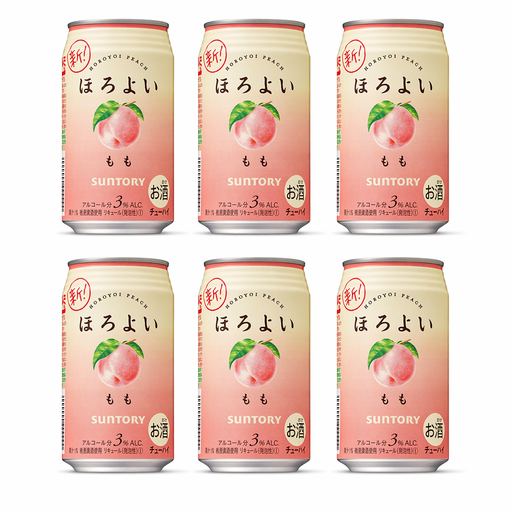
Why This Fits Their Persona: A straightforward entry point for adults who want a fruit-led Japanese canned cocktail in a familiar 350ml format. The listed alcohol content is 3% ABV, making it suitable for relaxed meals, picnics or casual gatherings where a lighter drink is preferred.
The 3% ABV is clearly listed, helping shoppers avoid confusing a low-alcohol option with a stronger chu-hi. The variety-led description also makes it easier to compare flavour preferences before buying a case.
3% ABV; 350ml ready-to-drink can; peach, citrus, orange and grape flavours are listed in the variety description.
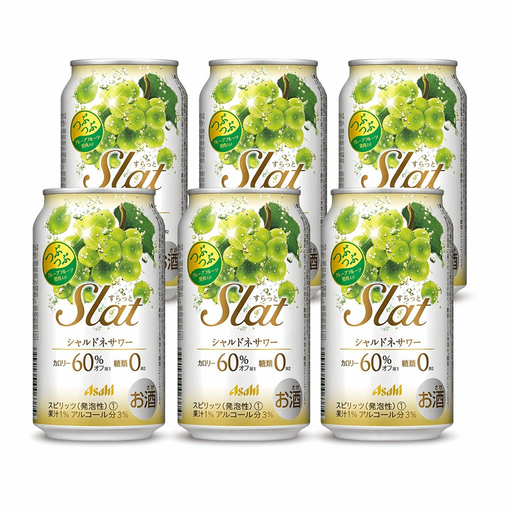
Why This Fits Their Persona: Suits shoppers seeking a more distinctive combination than standard lemon or grape cocktails. The listing describes Chardonnay grape notes paired with a yoghurt-style smoothness for serving with soft cheese, pastries or light snacks.
Its product information identifies the 3% ABV and nutritional values, while the ingredient panel gives shoppers a reason to verify the received packaging if formulation details matter.
3% ABV; 350ml can; Chardonnay and yoghurt-style flavour profile described for chilled serving.
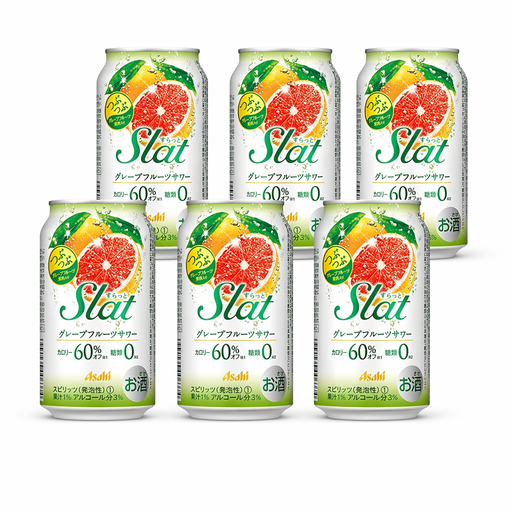
Why This Fits Their Persona: A practical match for seafood, salads, outdoor lunches and warm-weather occasions. Grapefruit provides a sharper citrus direction than peach or grape, while the 3% ABV keeps the profile relatively light compared with stronger chu-hi.
It has a stated alcohol level and serving size, so buyers can compare it directly with other low-alcohol Japanese drinks instead of judging by the “refreshing” description alone.
3% ABV; 350ml format; grapefruit-led citrus flavour; listed as made in Japan.
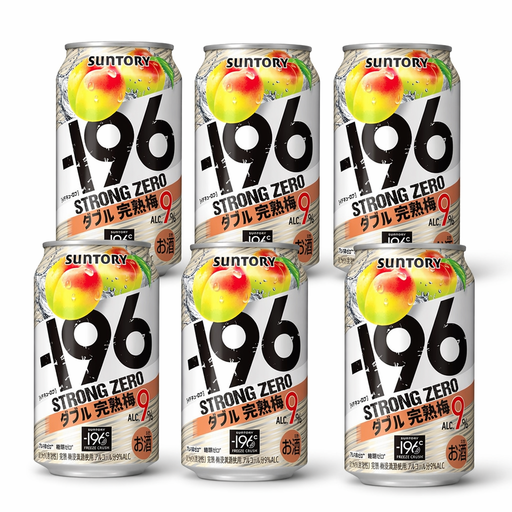
Why This Fits Their Persona: Intended for adults specifically comparing stronger Japanese alcoholic drinks and bold Japanese plum sour flavours. It is more suitable for a planned evening than casual daytime sipping because the can contains approximately 3.15 units.
The 9% ABV and stated units make its strength difficult to overlook. This helps prevent buyers expecting a typical 3% Horoyoi-style drink from selecting the wrong product.
9% ABV; 350ml can; double plum flavour profile; approximately 3.15 units per can.
If these profiles do not match your taste, consider Suntory Horoyoi Grape or White Grape for softer grape-led flavours, Suntory Horoyoi White Sour for a lactic, creamy style or Asahi Slat Lemon Sour for a sharper citrus direction. Asahi Slat White Peach Sour and Asahi Slat Aloe & White Sour offer additional fruit and yoghurt-style alternatives.
For wider comparison, browse Joybuy’s seltzer alcoholic range, where you can compare available formats and flavours before placing an order.
We have compiled a complete, real-time list of products that fully satisfy these strict selection criteria and UK safety regulations.
The terms are commonly used for Japanese ready-to-drink alcoholic beverages made with spirits, carbonated water, fruit flavours and other ingredients. Spellings vary between retailers and translations, so compare the actual ABV, ingredients and can size rather than relying on the name alone.
Chill the can before opening and pour it over ice if preferred. Citrus sours generally suit meals and savoury snacks, while peach, grape and plum flavours can work well with lighter dishes or casual entertaining. Once opened, consume promptly to retain carbonation and flavour.
No. Alcohol percentage, calories, sugar and carbohydrate are separate measures. Some products may use sweeteners, fruit juice or sugar, and nutrition values differ by recipe. Check the product’s nutrition panel and ingredient list before purchasing, particularly if you are comparing low-ABV fruit drinks for regular occasions.