
24/7 Customer Support

Free returns

Same-day & Next-day Delivery

Quality Guaranteed

Unlock Your Welcome Offers: FREE Delivery | Up to 80% OFF | Free 30-day JoyPlus trial
Download the APP
Navigating the world of premium Japanese sake can feel like a complex task. With a dizzying array of terms like Junmai Daiginjo and karakuchi, it is easy to fall into common traps that lead to a disappointing purchase. Many UK shoppers find themselves paying a premium for a bottle that doesn't suit their palate or the occasion, simply because they've been guided by marketing hype rather than practical knowledge.
As a Joybuy Product Recommendation Officer, my role is to help you sidestep these pitfalls. This guide will demystify the essential factors to consider, ensuring your next decision to buy sake online in the UK is an informed one, whether you're planning a special dinner, seeking a sophisticated Japanese alcohol gift or simply exploring the rich culture of Japanese brewing.
Before you add a bottle to your basket, be aware of these frequent misconceptions that can lead to buyer's remorse:
To choose with confidence, focus on a few key specifications. Understanding these will empower you to see past the marketing and select a bottle that truly fits your needs.
The grade of a sake is determined by its Seimai Buai, or rice polishing ratio. This number indicates how much of the original rice grain remains after the outer layers (which contain fats and proteins that can create off-flavours) have been milled away.
Crucially, "Junmai" also means the sake is "pure rice," made with only rice, water, koji and yeast. No brewer's alcohol has been added.
If you generally prefer a sweeter, fruit-forward drink, then traditional sake might not be what you're looking for. Instead, consider umeshu, or Japanese plum wine. This is not a wine in the traditional sense but a liqueur made by steeping green, unripe ume plums in alcohol and sugar. The result is a delicious balance of sweet and tart, perfect served chilled, on the rocks or mixed into a cocktail.
To help you find the right bottle, we've matched some of our popular selections to different tastes and occasions.
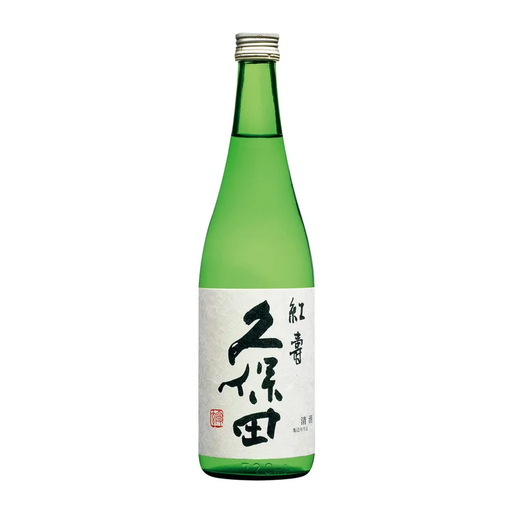
Why This Fits Their Persona: This person hosts dinner parties and takes pride in their culinary pairings. They need a versatile, high-quality sake that complements a range of dishes, from delicate sashimi to grilled seafood, without overpowering them.
It sidesteps the "Daiginjo is always superior" myth by offering the balance and structure of a premium Ginjo. Its crispness and acidity cut through richer foods, making it a more practical and enjoyable choice for a meal than an ultra-delicate Daiginjo.
Its profile is a masterclass in harmony, with notes of Asian pear and a hint of toffee balanced by a zesty acidity. This makes it exceptionally food-friendly and a reliable choice for elevating a dining experience.
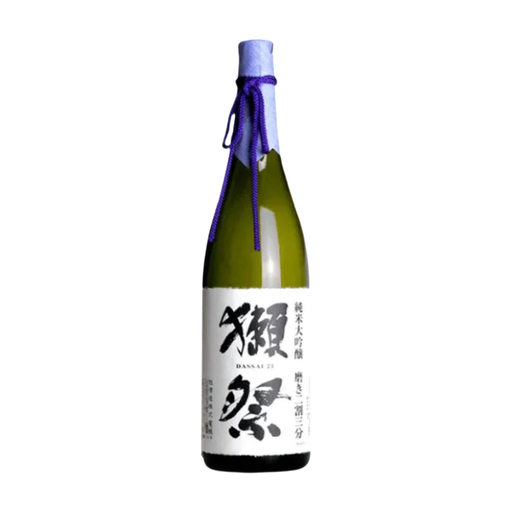
Why This Fits Their Persona: This individual is buying for a milestone celebration or as a prestigious Japanese alcohol gift. They are looking for a benchmark of quality and a name that conveys luxury and craftsmanship. The experience of the drink itself is the main event.
This choice directly addresses the "ignoring the occasion" pitfall by being perfectly suited for one. This is not a casual drink; it is an event in a bottle. Its purpose is to be savoured and appreciated for its extreme refinement, making it an ideal and appropriate luxury purchase.
Crafted from rice polished down to an incredible 23%, it offers unparalleled smoothness and a delicate aromatic profile of white peach and melon. The finish is exceptionally clean and lingering, delivering an understated yet profound tasting experience.
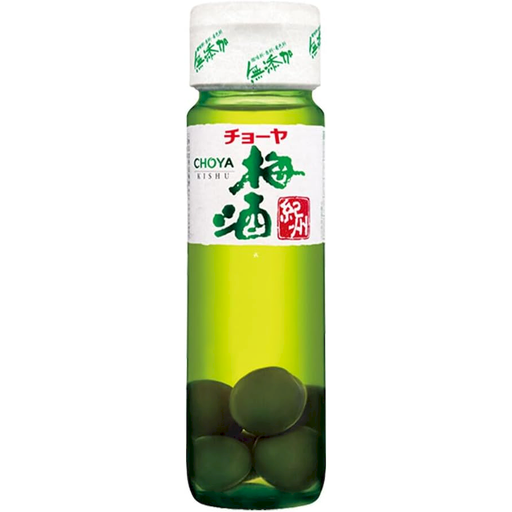
Why This Fits Their Persona: This person enjoys fruit liqueurs, dessert wines or cocktails and is looking for an accessible and delicious Japanese drink. They are less interested in the complexities of brewed rice and more in a flavour profile that is immediately enjoyable and sweet.
It prevents the disappointment of buying a dry, aromatic sake while expecting a sweet drink. By choosing umeshu, the user gets exactly what their palate desires: a genuine sweetness balanced with a pleasant tartness, avoiding the "aroma vs sweetness" confusion entirely.
Made from sun-ripened ume plums, it offers a natural, layered sweetness and a bright, tangy finish. It is incredibly versatile and can be enjoyed chilled, over ice or as a sophisticated base for cocktails.
We have compiled a complete, real-time list of products that fully satisfy these strict selection criteria and UK safety regulations.
1. How should I store sake once I've opened it? Once opened, a bottle of premium Japanese sake should be tightly sealed and stored in the refrigerator. Its delicate aromas and flavours are sensitive to heat, light and oxygen. For the best tasting experience, aim to consume it within one week of opening.
2. Do I need special cups to drink premium Japanese sake? While traditional ochoko (small ceramic cups) are part of the experience, they are not essential. In fact, for appreciating the complex bouquet of a fragrant Junmai Ginjo or Junmai Daiginjo, a standard white wine glass is an excellent choice as its shape helps to concentrate the aromas.
3. What is the difference between sake and umeshu? The core difference lies in their production. Sake is a brewed beverage, made from fermented rice, much like beer is made from grain. Umeshu (Japanese plum wine) is a liqueur, which is made by infusing or steeping whole ume plums in a base spirit (like shochu or brandy) with sugar. This results in two very different flavour profiles: sake is savoury and complex, while umeshu is sweet and tart.