
24/7 Customer Support

Free returns

Same-day & Next-day Delivery

Quality Guaranteed

Unlock Your Welcome Offers: FREE Delivery | Up to 80% OFF | Free 30-day JoyPlus trial
Download the APP
Buying Japanese sake in the UK can be more complicated than choosing a bottle of wine. Labels may use terms such as junmai, ginjo and daiginjo, while attractive packaging and phrases such as “premium” do not always explain what is inside. Some products sold as sake are also brewed outside Japan, and cooking sake is not intended for drinking.
This guide helps you compare Japanese sake by style, rice polishing, origin, bottle size and serving purpose before you buy sake online in the UK.
“Japanese rice wine” is a common description, but it does not confirm the country of production. Always check the country of origin and manufacturer details. For example, some compact sake-style products may be produced in China, while Ozeki Junmai Sake 750ml is brewed in the United States by Ozeki Sake U.S.A. Inc.
If authentic Japanese alcohol is important to you, look for a clearly stated Japanese brewery and prefecture, such as Yamaguchi, Niigata or Iwate.
Rice polishing affects style, aroma and texture, but it does not automatically mean a bottle will suit every palate. A sake made with rice polished to 23% may have a more delicate, aromatic profile, while a junmai or honjozo can offer broader savoury character and stronger food compatibility.
The right choice depends on whether you prefer fruity and refined flavours, a dry finish or fuller rice-led umami.
Cooking sake is made for sauces, marinades, stews and stir-fries. It may contain sweeteners or cooking alcohol and should not be treated as a tasting bottle. The Joybuy Cooking Sake 300ml listing specifically states that it is not for direct consumption.
These categories are useful starting points, but flavour can vary by brewery, rice variety, water and fermentation method.
The percentage indicates how much of the original rice grain remains after polishing. A 23% ratio means more of the grain has been removed than a 45% ratio. This can reduce heavier grain flavours and highlight subtle aromas, although it usually increases production time and price.
Dassai’s numbered bottles make comparison straightforward: Dassai 45, Dassai 39 and Dassai 23 offer a clear progression in polishing ratios. They are useful for a sake tasting set, particularly if you want to compare the effect of polishing directly.
Miniature 180ml or 300ml bottles are practical for first purchases, tasting sessions and small celebrations. A 720ml bottle is more suitable for dinner parties or regular serving.
Check the alcohol percentage and UK units before ordering. Many products in this selection range from approximately 12% to 16% ABV. Store unopened sake upright in a cool, dark place away from sunlight. Once opened, refrigeration and prompt consumption help preserve fresh aromas. Always follow the storage information on the individual label.
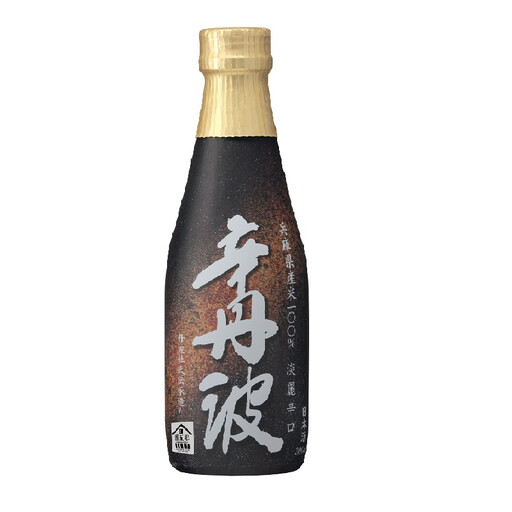
Why This Fits Their Persona: The 300ml bottle allows UK beginners to explore a dry, crisp sake without committing to a larger format. It is suitable for sushi, sashimi, tempura and yakitori.
The honjozo classification and Japanese manufacturer details make the style and origin easier to assess than vague premium wording.
15% ABV, 300ml size and a dry profile designed for versatile food pairing.
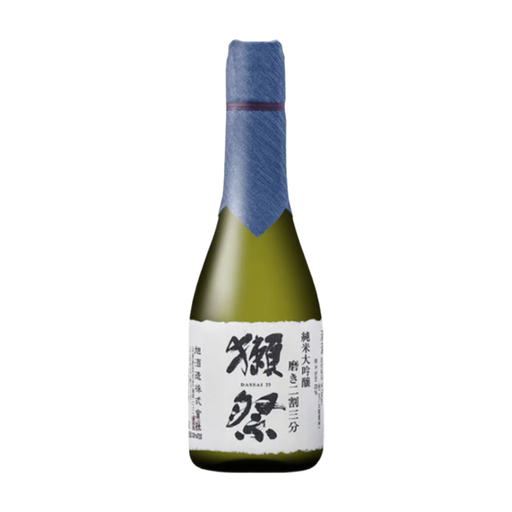
Why This Fits Their Persona: This compact bottle suits a special dinner, intimate celebration or premium sake gift where delicate aromas and presentation matter.
Its stated 23% rice-polishing ratio provides a specific comparison point instead of relying solely on luxury presentation.
Japanese origin, 16% ABV, Yamada Nishiki rice and a 300ml gift-friendly format.

Why This Fits Their Persona: The larger bottle works for regular home use, dinner parties and broad menus ranging from sushi to grilled meat.
The 750ml capacity prevents the common mismatch of buying several small bottles for a group meal.
14.5% ABV, no added alcohol or sugars listed and suitable for chilled or gently warmed serving.
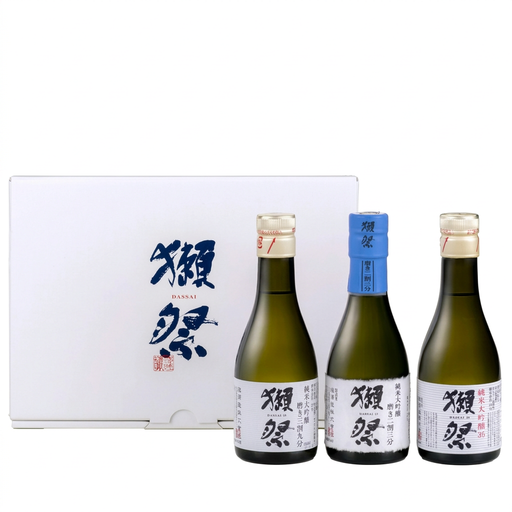
Why This Fits Their Persona: Three small bottles create a structured tasting experience and make a practical sake gift set for adults interested in comparing styles.
Dassai 45, 39 and 23 are presented together, allowing direct comparison rather than relying on one bottle’s marketing description.
Three 180ml bottles, 16% ABV and vegetarian and vegan suitability listed.
We have compiled a complete, real-time list of products that fully satisfy these strict selection criteria and UK safety regulations.
For a first tasting, serve a fragrant ginjo or junmai daiginjo lightly chilled, around 10–15°C where the product guidance recommends it. A wine glass can help you notice fruity or floral aromas. Fuller junmai styles can be served chilled, at room temperature or gently warmed, depending on the label and your preference.
For sake for sushi, choose a clean, dry profile such as Kubota Senju Ginjo or Ozeki Karatanba Honjozo. Delicate sashimi and oysters can suit aromatic daiginjo styles, while tempura, yakitori and richer grilled foods may benefit from junmai or honjozo with more body. Serve modest portions and check the stated UK units, particularly with 720ml bottles.
Sake is a fermented alcoholic drink made mainly from rice, water, koji and yeast. It is often called Japanese rice wine in English, but its brewing process differs from grape wine. Classification, rice polishing and serving style are more useful buying references than the informal translation.
There is no single lifespan for every bottle. Refrigerate opened sake and follow the product label. Delicate aromatic styles are generally intended for prompt consumption after opening, while storage instructions may differ between products. Avoid direct sunlight and keep the bottle properly sealed.
Price varies according to rice polishing, brewery, origin, bottle size and presentation. A 180ml or 300ml bottle can reduce the cost of trying a new style, while a 720ml bottle may offer more servings for a gathering. Comparing the price per 100ml alongside the classification helps avoid judging value by packaging alone.