
24/7 Customer Support

Free returns

Same-day & Next-day Delivery

Quality Guaranteed

Unlock Your Welcome Offers: FREE Delivery | Up to 80% OFF | Free 30-day JoyPlus trial
Download the APP
Japanese sake can look difficult to compare online. Labels may mention junmai, ginjo, daiginjo, rice polishing percentages and regional breweries, while product descriptions often focus on luxurious-sounding tasting notes. For UK shoppers, the real challenge is identifying which details affect the drinking experience, serving occasion and value.
Whether you are looking for premium Japanese sake, a bottle for sushi or a sake gift, three common buying traps are worth avoiding:
Junmai means the sake is made from rice, water, koji and yeast, without added distilled alcohol. Junmai styles often retain a more noticeable rice character and umami.
Ginjo sake is made with rice polished to a specified degree and fermented using methods designed to develop delicate aromas. Junmai ginjo follows the same broad style without added distilled alcohol.
Junmai daiginjo sake uses a higher level of rice polishing than junmai ginjo. These bottles are often associated with lighter textures and fruit-led aromas, although the exact result depends on the brewery and recipe.
A bottle labelled ginjo is not automatically dry, sweet, heavy or light. Check the description for practical flavour indicators such as pear, melon, floral notes, acidity, dryness and finish.
Most bottles in this selection are between 14.5% and 16% ABV, so sake should be treated similarly to other alcoholic drinks in terms of responsible consumption. The stated alcohol units can help you compare formats:
Ingredient lists also help clarify the style. For example, Kubota Senju Ginjo includes distilled alcohol, whereas the Dassai 23 and Ozeki Junmai listings specify rice, water and rice koji. Neither format should be selected solely by the ingredient list; use it alongside the flavour profile and intended meal.
Choose sake 300ml for a tasting session, intimate meal, small celebration or gift where the recipient may not want a full-size bottle. A sake 720ml or 750ml bottle is more practical for several guests or a dinner with multiple courses.
Store unopened sake in a cool, dark place away from direct sunlight and follow the product label. Once opened, refrigeration is generally advisable, with many listings recommending consumption within a few days or within a week. Avoid buying a large bottle simply because the price per millilitre appears lower if you expect to drink only one glass at a time.

Why This Fits Their Persona: A full-size bottle for UK shoppers starting to explore sake with family meals, sushi nights or dinner parties.
The listing clearly identifies it as junmai, with a 14.5% ABV and 750ml quantity rather than relying only on premium-sounding language.
Rice, water and rice koji ingredients; suitable for serving chilled or gently warmed, with pairings including sushi, sashimi and grilled meats.
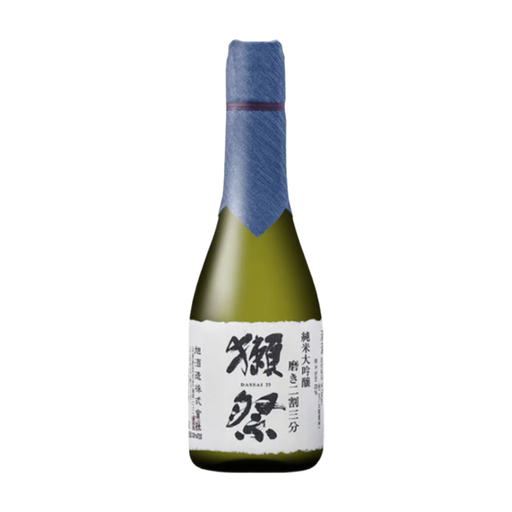
Why This Fits Their Persona: A compact premium Japanese sake for a refined dinner, celebration or carefully chosen sake gift.
The “23” refers to the rice polishing ratio, giving shoppers a concrete specification to compare rather than an undefined quality promise.
16% ABV, 300ml format and junmai daiginjo classification; listed tasting notes include white flowers, melon, peach and strawberry.
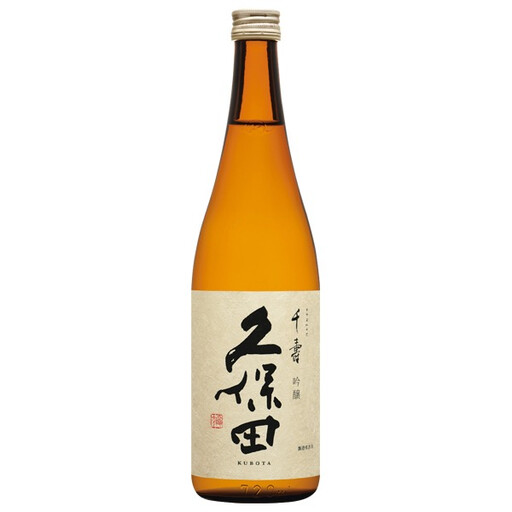
Why This Fits Their Persona: A larger bottle for regular meal pairings, hosting and shoppers who want one versatile ginjo sake for several cuisines.
Its listing states the 720ml size, 15.6% ABV and storage conditions, helping frequent users plan servings and refrigeration.
A dry and crisp profile with listed notes of dried pineapple, coconut and roasted coffee; suggested with sushi, seafood and spicy dishes.
We have compiled a complete, real-time list of products that fully satisfy these strict selection criteria and UK safety regulations.
It depends on the style. Fruity ginjo and junmai daiginjo bottles are commonly served chilled to preserve their aromas. Some fuller-bodied junmai sake can also be gently warmed. Follow the product guidance rather than assuming every bottle should be heated.
Storage advice varies by product, but opened sake is generally best kept refrigerated and consumed promptly. Several listings recommend using opened bottles within a few days or one week. Always check the packaging and avoid leaving an opened bottle in a warm, bright location.
A 300ml bottle is easier to present, sample and enjoy at a small gathering. A 720ml bottle creates a more substantial gift and suits recipients who already drink sake or host meals. Consider the recipient’s familiarity with sake, the occasion and whether they can store the bottle correctly.