
24/7 Customer Support

Free returns

Same-day & Next-day Delivery

Quality Guaranteed

Unlock Your Welcome Offers: FREE Delivery | Up to 80% OFF | Free 30-day JoyPlus trial
Download the APP
Buying Japanese sake online can feel surprisingly complicated. Labels such as junmai, ginjo and daiginjo indicate brewing and polishing methods, while descriptions often focus on poetic tasting notes rather than the details that matter when choosing a bottle.
For UK shoppers, three common pitfalls are worth avoiding:
This guide explains the key information to check before purchasing, then matches a selection of bottles to different drinking occasions.
Junmai sake is made from rice, water, koji and yeast, without added distilled alcohol. It can offer a fuller rice character and savoury umami, although flavour varies between producers.
Ginjo sake generally uses rice polished to at least 60% of its original grain, with fermentation methods designed to create more aromatic flavours. Expect styles ranging from crisp and dry to fruity and rounded.
Junmai ginjo sake combines the junmai ingredient approach with ginjo-level polishing. It is often a useful starting point for shoppers who want noticeable aroma without an overly intense profile. See the wider junmai ginjo sake range to compare available formats.
Junmai daiginjo sake uses more highly polished rice, traditionally with 50% or less of the grain remaining. This can produce a lighter texture and more refined fruit or floral aromas, but it does not guarantee that every bottle will suit your palate.
Sake commonly sits around 12% to 16% ABV, so it should be treated like other alcoholic drinks rather than a low-strength accompaniment. Product pages should state the alcohol percentage and, where available, the UK alcohol units per bottle.
For example, the Kubota Koju Junmai Ginjo Sake 720ml is listed at 15.6% ABV and 11.2 units per bottle, while the Dassai 23 Otter Festival Junmai Daiginjo Sake 300ml is listed at 16% ABV and 4.8 units per bottle. The smaller bottle can therefore make portion planning easier, but always check the product label because nutritional and unit information may vary by format or batch.
Drink responsibly, do not drink if pregnant, and never drink before driving or operating machinery. Alcohol products are for adults aged 18 and over in the UK.
A 720ml sake bottle is suited to sharing at dinner, entertaining or keeping a regular option at home. A 300ml sake bottle is more convenient for a small meal, tasting comparison or modest gift. The 240ml and 480ml formats listed below may work well when you want to explore a style without opening a full-size bottle.
Sake is generally more sensitive to heat and light after opening than unopened spirits. Store unopened bottles according to the product instructions, ideally in a cool, dark place. Once opened, refrigeration and prompt consumption help preserve fresh aromas and flavour.
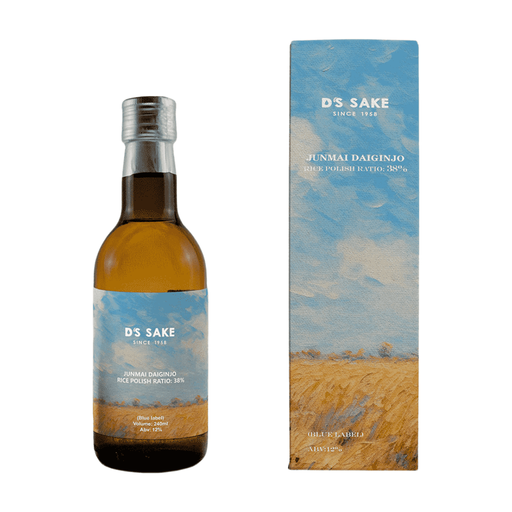
Why This Fits Their Persona: The compact 240ml format lets newcomers explore a refined style without committing to a full 720ml bottle. It is listed at 12% ABV and 2.9 units per bottle.
A smaller serving format reduces the risk of buying more sake than you can enjoy while it is fresh.
38% rice polishing; smooth, light and slightly dry profile with melon and cherry notes.
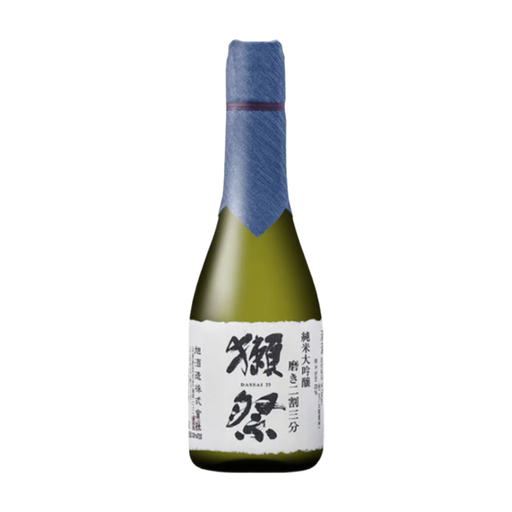
Why This Fits Their Persona: A 300ml bottle with 23% remaining rice grain is suited to a special toast, premium tasting or elegant sake gift where presentation and refinement matter.
The listing identifies the style, rice and bottle size clearly, helping shoppers assess what they are paying for rather than relying only on prestige language.
Junmai daiginjo classification; notes listed as white flowers, melon and peach; 16% ABV.
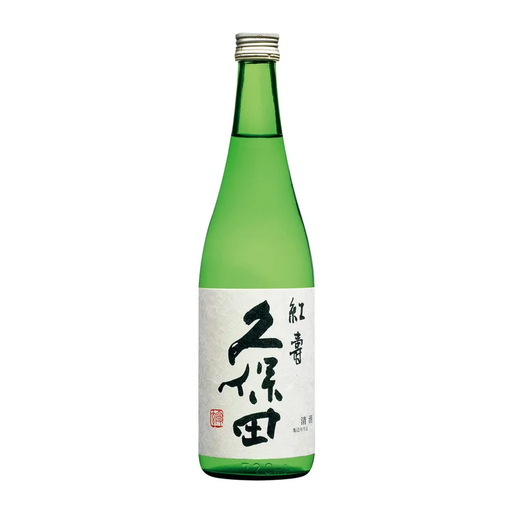
Why This Fits Their Persona: The 720ml format is practical for sharing with sushi, sashimi and grilled seafood at a UK dinner gathering.
Its listed crisp acidity and light body give shoppers useful pairing information instead of an unsupported promise that it suits every dish.
Junmai ginjo style; 15.6% ABV; listed flavours include green notes, Asian pear and a clean finish.
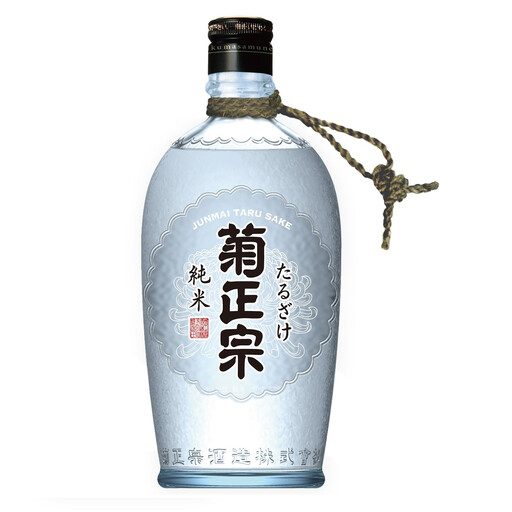
Why This Fits Their Persona: The traditional flask and cedar-influenced character make it suitable for shoppers seeking a distinctive table pour rather than a fruit-forward modern style.
The product information explains both the junmai base and Yoshino cedar barrel ageing, so the wood character is not an unexpected surprise.
Junmai ingredients; can be served cool or warmed; 15% ABV and 10.8 units per bottle.
We have compiled a complete, real-time list of products that fully satisfy these strict selection criteria and UK safety regulations.
For a first tasting, serve aromatic ginjo or junmai daiginjo lightly chilled, often around 10–15°C where the product guidance recommends it. A wine glass can help lift delicate pear, melon or floral aromas. More savoury junmai styles may also work at room temperature or gently warmed, depending on the bottle.
Sake for sushi does not need to be sweet. Crisp, dry styles can refresh the palate between bites, while fuller junmai expressions can complement grilled fish, miso-based dishes and yakitori. Chilled sake is usually a straightforward choice for sashimi, seafood and lighter appetisers.
When selecting a sake gift, check three practical details: bottle presentation, size and storage requirements. A boxed 720ml bottle suits a shared celebration, while a 300ml sake format is easier for an individual recipient to enjoy without extended storage.
Sake is often called Japanese rice wine, but it is brewed from rice, water, koji and yeast rather than made by fermenting grape juice. The brewing process is closer to beer-making in principle, although the finished drink has its own categories and serving traditions.
For the freshest aroma, keep opened sake refrigerated and consume it promptly. Several product listings recommend using opened bottles within a few days or within a week. Always follow the storage and shelf-life instructions on the specific bottle.
It depends on the style. Aromatic ginjo and daiginjo bottles are commonly served chilled, while some junmai and cedar-aged styles can be enjoyed at room temperature or gently warmed. Avoid overheating, as excessive heat can mask delicate aromas.