
24/7 Customer Support

Free returns

Same-day & Next-day Delivery

Quality Guaranteed

Unlock Your Welcome Offers: FREE Delivery | Up to 80% OFF | Free 30-day JoyPlus trial
Download the APP
Navigating the world of Japanese sake can feel overwhelming. With a growing number of options available when you want to buy sake online UK, it's easy to feel lost in a sea of unfamiliar terms and elegant bottles. Many first-time buyers end up making simple, costly mistakes that could have been easily avoided.
As a Joybuy Product Recommendation Officer, my role is to help you bypass the marketing noise and make informed choices. Before you add a bottle to your basket, let's look at two common pitfalls that catch many UK shoppers out.
This is the most frequent error we see. You might spot a bottle labelled "Cooking Sake" or "Ryorishu" at a lower price and assume it's a bargain. However, cooking sake is a kitchen ingredient, not a beverage. It is a type of Japanese rice wine specifically formulated for marinades and sauces, often containing salt and other additives to enhance food flavour. It is not designed for drinking and will provide a harsh, unpleasant experience.
Many bottles are marketed as "premium," but the term itself is vague. The quality and character of a premium Japanese sake are determined by specific, measurable factors, not just a high price tag. Without understanding these, you might pay for a top-tier bottle that doesn't suit your taste or intended use. The key is to look beyond the label and understand what truly defines the sake inside.
To choose the right bottle, you only need to understand a couple of key concepts. These will tell you almost everything you need to know about the sake's quality and flavour profile.
The most important distinction in the sake world is between Junmai and non-Junmai (often called "Honjozo" or "Futsu-shu") styles.
Within the Junmai category, you will find higher grades that indicate an even more refined product:
This number, displayed as a percentage on the bottle, is crucial. It tells you how much of each rice grain is left after the outer layers have been polished away. For example, a 70% polishing ratio means 30% of the grain was removed.
A lower percentage means more of the grain has been polished away. This removes fats and proteins that can cause off-flavours, leaving the pure starch heart of the grain. This generally results in a more refined, aromatic and delicate sake.
Understanding this single metric helps you instantly gauge the style and potential quality of the bottle in front of you.
To help you find the right fit, we've matched some excellent options to different types of drinkers.

Why This Fits Their Persona: This is a classic, reliable introduction to authentic drinking sake. It's perfect for someone in the UK wanting to try the real thing without committing to a high-end bottle. Its balanced, medium-dry profile is approachable and pairs well with a wide range of foods, from sushi to a Sunday roast.
It is clearly labelled as Junmai, meaning it's a pure rice sake made for drinking, not a salty cooking wine. Its quality is defined by its classification, not a vague "premium" sticker.
Highly versatile; it can be enjoyed chilled in summer or gently warmed in winter, allowing you to experiment and find your preference. It offers an authentic taste at an accessible price point.
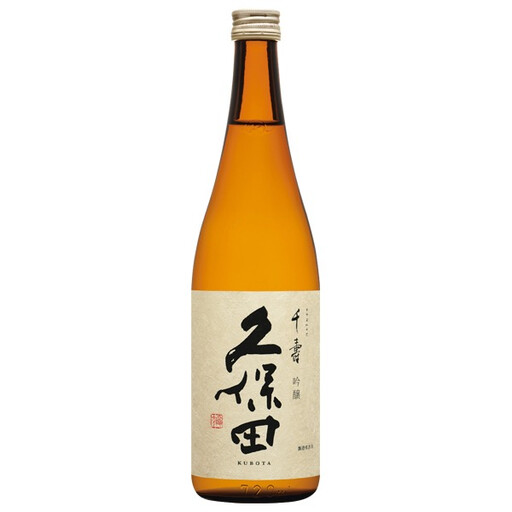
Why This Fits Their Persona: For the person who loves hosting dinner parties or pairing drinks with their food, this Kubota sake is a perfect choice. As a Ginjo, it has the elegance and complexity to elevate a meal, with a clean, crisp finish that complements everything from grilled fish to spicy stir-fries.
Its quality is clearly defined by its Ginjo classification, a protected term indicating a high standard of brewing and rice polishing. This is a step up in quality that you can taste, not just a marketing claim.
Exceptional food-pairing versatility. Its dry and crisp profile cleanses the palate, making it a superb companion for a multi-course meal. It offers a premium experience without the price of a Daiginjo.
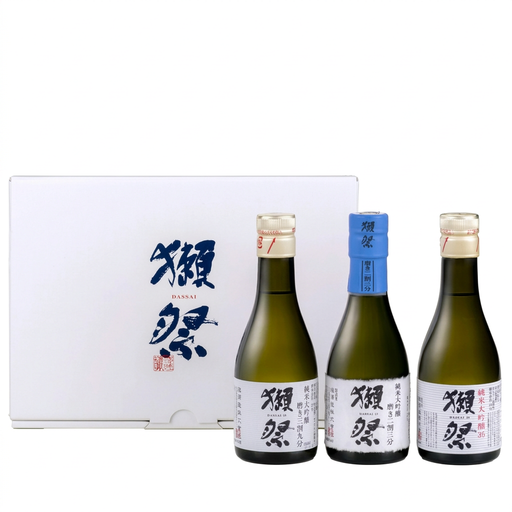
Why This Fits Their Persona: This sake gift set is ideal for someone looking to give a sophisticated present or explore the pinnacle of sake craftsmanship. It features three different expressions from the world-renowned Dassai sake brewery, each with a different rice polishing ratio.
This set actively demystifies the "premium" label. By including Dassai 45, 39 and 23, it allows the drinker to taste the direct impact of the rice polishing ratio, turning a purchase into an educational experience.
It offers a guided tour of the Junmai Daiginjo category. The 180ml bottles are perfect for a tasting session, allowing for a side-by-side comparison of some of the most celebrated sakes in the world.
We have compiled a complete, real-time list of products that fully satisfy these strict selection criteria and UK safety regulations.
This is a common question. While both are popular Japanese alcoholic drinks, they are entirely different. Japanese sake is a brewed beverage made from fermented rice, similar to how beer is made from barley. Japanese plum wine, or umeshu, is a liqueur made by steeping unripe ume plums in alcohol (like shochu or brandy) and sugar. Umeshu is typically sweet and fruity, while sake has a more complex, savoury and subtle flavour profile.
Unlike spirits, sake does not have a long shelf life once opened, as it will begin to oxidise. For premium, delicate sakes like a Junmai Ginjo or Junmai Daiginjo, it is advisable to consume them within 3-5 days for the best flavour and aroma. More robust Junmai sakes can last up to a week. Always store an opened bottle in the refrigerator with the cap tightly sealed.
While traditional small ceramic cups (ochoko) are common, you do not need them to enjoy sake. In fact, many sake professionals recommend drinking aromatic sakes like Ginjo and Daiginjo from a standard white wine glass. The wider bowl helps to concentrate the delicate aromas, enhancing the overall tasting experience. For warmed sake, a small, heat-proof ceramic cup is more suitable.