
24/7 Customer Support

Free returns

Same-day & Next-day Delivery

Quality Guaranteed

Unlock Your Welcome Offers: FREE Delivery | Up to 80% OFF | Free 30-day JoyPlus trial
Download the APP
Japanese sauces and seasonings can transform simple noodles, rice, vegetables and soups, but the labels are not always easy to compare. A small bottle may be highly concentrated, while a larger pack may contain more sugar or salt than expected. Some products described as “Japanese-style” are also made outside Japan, which may matter if you are looking for a product of Japan.
Before filling your cupboard, check the ingredients, allergen information, preparation method and storage instructions. The right choice depends less on attractive packaging and more on how you plan to cook.
A sauce can be designed for Japanese cooking without being made in Japan. For example, Japanese soy sauce and miso products may have different country-of-origin details, so check the product page and packaging rather than relying on wording such as “traditional” or “restaurant-style”.
Origin is not a guarantee of flavour quality, but it helps you make an informed choice. If provenance matters, look for a clearly stated country of origin.
Large bottles can appear economical, particularly for households or caterers, but they may not suit occasional cooks. Once opened, many sauces should be refrigerated and used within a specified period. A 1.9-litre bottle of soy sauce may be practical for frequent stir-fries, whereas a 300ml bottle may be easier to manage in a smaller kitchen.
Compare price per 100ml or 100g, then consider how quickly your household will use the product.
Miso paste varies in colour, fermentation style, sweetness, texture and salt level. Instant miso soup may contain fish-based bonito or sardine extracts, while vegetarian versions use ingredients such as kelp and shiitake instead.
Always read the allergen statement. Common ingredients across this category include soybeans, wheat, sesame, fish, shellfish and milk.
White miso, including Japanese miso paste such as Shinshu or shiro miso, is generally lighter in colour and suited to gentle soups, dressings and glazes. Hikari Savoury White Miso lists salt at approximately 6.5g per 100g, while the Hikari Aged Red Miso listing gives approximately 11.5g per 100g. These figures illustrate why the shade of miso is not simply a visual preference: it can affect how much you need to use.
Red miso usually provides a deeper, more pronounced savoury taste. It works well in hearty soups, marinades, braises and stronger sauces. Begin with a small amount, dissolve it in warm liquid and adjust gradually.
After opening, follow the stated storage guidance. Several refrigerated miso products should be kept sealed and chilled once opened.
A ramen soup base in a bottle is useful when you want to control the noodles, toppings and serving size. Marutomo Dashi Shoyu Ramen Soup Base is a soy-sauce-style liquid product, while the Tonkotsu Style Ramen Soup is designed for a richer, savoury broth. Both listings include fish-related ingredients, so they are not suitable for vegetarians unless the label confirms otherwise.
Instant miso soup is more convenient for work lunches, quick breakfasts or a light side dish. Check the serving instructions, as sachets often require only hot water. The Marukome tofu and wakame varieties provide separate soup and garnish elements, while some versions contain bonito or other fish extracts.
Yakisoba sauce and okonomiyaki sauce are ready-to-use condiments, but they are not interchangeable in every recipe. Yakisoba sauce is intended to coat stir-fried noodles, while okonomi sauce is thicker and commonly drizzled over savoury pancakes, takoyaki, grilled foods or snacks.
Look at sugar and salt per 100g if you use sauces generously. OTAFUKU Yakisoba Sauce lists approximately 35g of sugars and 5.5g of salt per 100g. OTAFUKU Okonomi Sauce lists approximately 30g of sugars and 8.75g of salt per 100g. These sauces can add substantial flavour in small quantities, so start with a light coating.
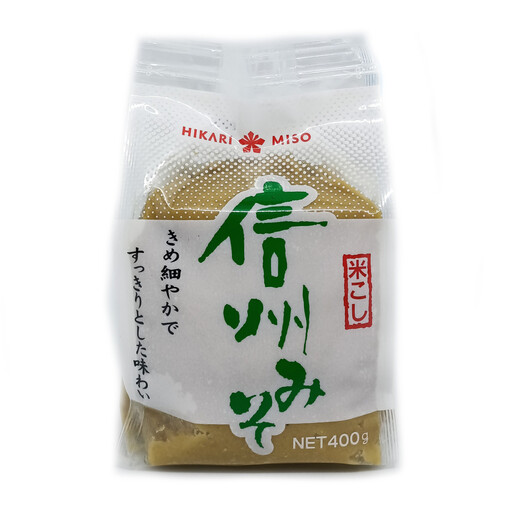
Why This Suits Their Persona: A 400g pouch gives new cooks enough Japanese miso paste to try soups, marinades, dressings and stir-fry sauces without buying several specialist products.
The ingredient list and allergen information are clearly provided, helping shoppers distinguish miso paste from fish-containing instant soup.
Made in Japan; smooth paste suitable for soup, glazes, marinades and dressings.
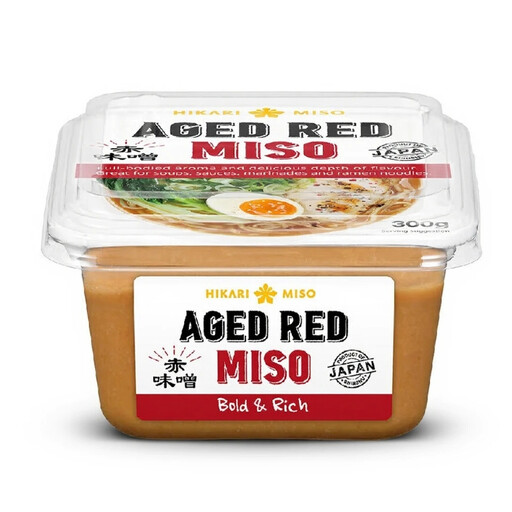
Why This Suits Their Persona: Suitable for cooks seeking a stronger, darker miso profile for robust soups, glazes, braises and savoury marinades.
Its 300g size is more manageable than a catering pack, while the stated salt content encourages measured use rather than unrestricted spoonfuls.
Made in Japan; dark fermented paste with a robust savoury flavour; refrigerate after opening.

Why This Suits Their Persona: A practical option for regular noodle meals, family stir-fries or anyone recreating Japanese-style street food at home.
It is a clearly identified yakisoba sauce rather than a generic sweet chilli or barbecue sauce, making the intended application straightforward.
Ready to use; suitable for stir-fried noodles and vegetables; refrigerate after opening.
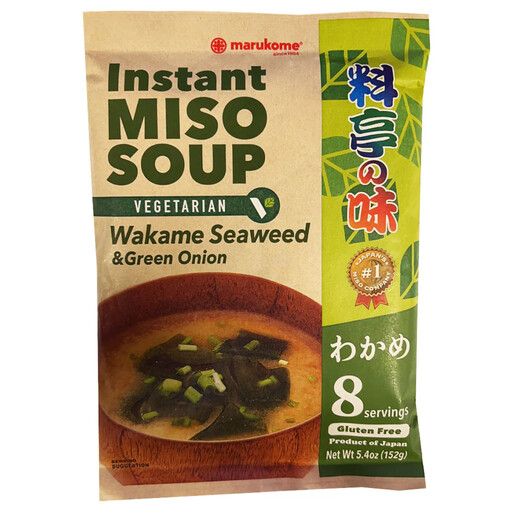
Why This Suits Their Persona: Designed for quick lunches, office kitchens and vegetarian households wanting a convenient soup without meat or fish dashi stock.
The listing identifies it as vegetarian and specifies kelp extract in the soup base, but allergy information should still be checked against the current packaging.
Eight servings per pack; includes wakame, tofu and spring onion garnish; product of Japan.
For more control over flavour, dashi kombu can be soaked and gently heated to make a foundational stock. Remove it before the water boils, following the pack instructions. Kombu can contain naturally high iodine levels, so use sensible portions.
Bonito furikake is ready to sprinkle over rice, noodles or porridge, but the FUTABA version contains fish, sesame, soy, wheat, milk and egg. It is therefore unsuitable for several allergy groups and vegetarian diets.
For finishing heat and texture, a chilli garlic topping can be spooned over noodles, dumplings, rice or stir-fries. S&B Umami Topping Garlic with Chilli Oil Mild contains wheat, sesame and soy, so review the label carefully before serving guests.
Households preparing okonomiyaki may prefer a dedicated okonomiyaki sauce, such as OTAFUKU Okonomi Sauce, rather than substituting yakisoba sauce. For larger-volume cooking, compare bottle size with opening and refrigeration requirements before selecting a catering format.
We have compiled a complete, real-time list of products that fully satisfy these strict selection criteria and UK safety regulations.
A mild white miso, Japanese soy sauce, instant miso soup and one cooking sauce provide a flexible starting point. Add dashi kombu or furikake once you know which dishes you prepare most often.
Only when the ingredients confirm that it contains no fish or meat-derived stock. Some instant miso soup products include bonito, sardine or fish extracts. Choose a product specifically identified as vegetarian and check the latest packaging.
Unopened ambient products are generally stored in a cool, dry place away from direct sunlight. After opening, many liquid sauces and miso pastes require refrigeration. Follow the product-specific instructions and use the stated time guidance to preserve flavour and quality.