
24/7 Customer Support

Free returns

Same-day & Next-day Delivery

Quality Guaranteed

Unlock Your Welcome Offers: FREE Delivery | Up to 80% OFF | Free 30-day JoyPlus trial
Download the APP
Bringing the authentic flavours of Japan into your UK kitchen can be incredibly rewarding. From the savoury glaze on a piece of teriyaki salmon to the tangy finish on a crispy tonkatsu cutlet, the right Japanese sauces are key. However, navigating the supermarket aisle can be confusing. Many home cooks find themselves disappointed when a "Japanese-style" sauce doesn't deliver the taste they remember from a restaurant, leading to wasted money and lacklustre meals.
As the Joybuy Product Recommendation Officer, my role is to help you see past the marketing and make informed choices. Here are a couple of common pitfalls to watch out for when you buy Japanese sauces UK:
To ensure you get the right flavour for your dish, it helps to understand the fundamental components of popular Japanese condiments.
The foundation of a sauce dictates its primary use. Most fall into one of these categories:
Understanding the intended flavour helps you match the sauce to the meal:
To help you choose, we've matched some popular options to the home cooks they suit most.
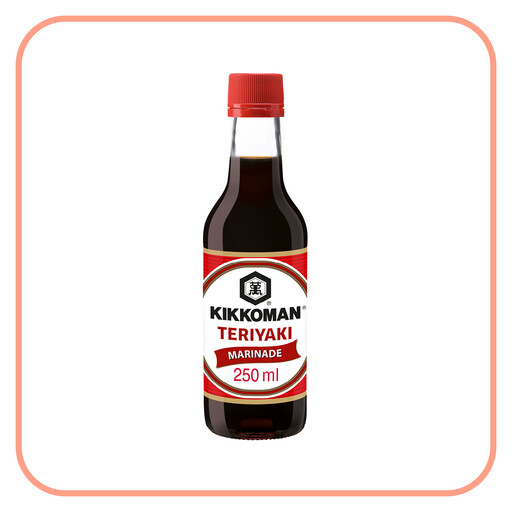
Why This Fits Their Persona: Perfect for anyone making their first teriyaki chicken or salmon. It's a straightforward, reliable entry point into one of Japan's most popular flavour profiles, removing the guesswork for beginners.
This is a purpose-made teriyaki marinade, not a generic "Japanese-style" sauce. Its base of naturally brewed soy sauce provides the authentic, full-bodied umami flavour that all-in-one sauces lack.
Its balanced sweet and savoury taste makes it highly versatile for marinating, glazing or adding to stir-fries. It's a dependable pantry staple.
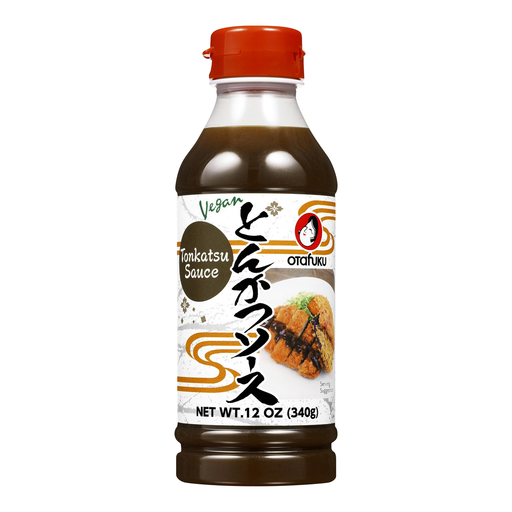
Why This Fits Their Persona: For the home cook dedicated to perfecting crispy chicken katsu or pork tonkatsu. This sauce is the authentic finishing touch that makes the dish complete.
It avoids the misleading flavour trap by using a blend of over 20 fruits and vegetables, including dates and apples, to achieve its signature deep, fruity and tangy taste that a simple soy glaze cannot replicate.
Its thick, jammy consistency is specifically designed to cling to breaded cutlets and other fried foods, providing the perfect balance to their richness. It is also vegan-friendly.
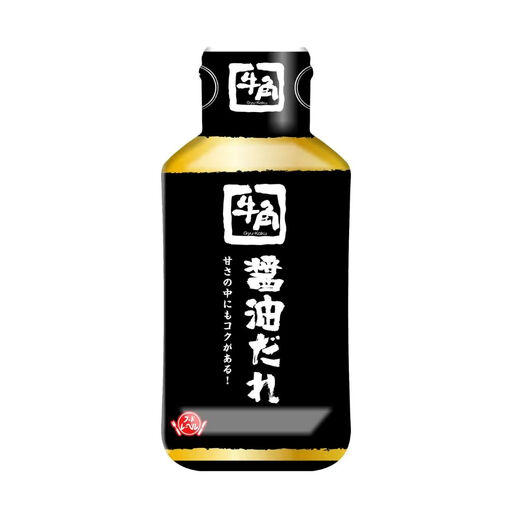
Why This Fits Their Persona: Ideal for those wanting to recreate the authentic Japanese yakiniku (grilled meat) experience at home. This sauce brings a restaurant-quality flavour to your barbecue.
This is a specific yakiniku sauce, not a generic Western-style BBQ sauce. It delivers the balanced sweet, salty and umami notes from soy, fruit and garlic, avoiding the overly smoky or sugary profiles of other barbecue sauces.
It is highly versatile, working equally well as a marinade to tenderise meat before grilling or as a rich dipping sauce to serve alongside it.
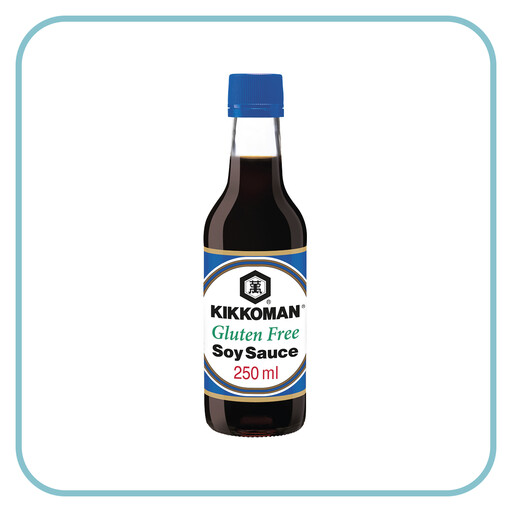
Why This Fits Their Persona: An essential pantry staple for anyone with coeliac disease or a gluten intolerance who doesn't want to compromise on the authentic umami flavour required in Japanese cooking.
This product directly solves the hidden ingredient problem. Standard soy sauce contains wheat, but this is a certified gluten-free soy sauce (tamari), ensuring it is safe for those with specific dietary needs.
It is naturally brewed from only four ingredients, delivering a rich, aromatic flavour that makes it a perfect 1:1 substitute for regular soy sauce in any recipe, from marinades to dressings.
We have compiled a complete, real-time list of products that fully satisfy these strict selection criteria and UK safety regulations.
While they share a similar sweet and savoury soy-based profile, there are subtle differences. Yakitori sauce is traditionally made specifically for glazing grilled chicken skewers and is often slightly thicker and sweeter to create that perfect, sticky coating. Teriyaki sauce is more of a general-purpose marinade and glaze that works well with a wider variety of meats, fish and vegetables. For most home cooking, they can be used interchangeably in a pinch, but a dedicated yakitori sauce will give you a more authentic result for your skewers.
You can, as both are thick, fruity and tangy sauces designed to complement savoury dishes. However, a dedicated okonomi sauce is typically a little sweeter and has a slightly different spice blend compared to tonkatsu sauce. For the most authentic flavour, it is always advisable to use the specific sauce for each dish. If you only have one, tonkatsu sauce is a very reasonable substitute.
Once opened, most Japanese condiments should be stored in the refrigerator to maintain their quality and flavour. Sauces like soy sauce, teriyaki and tonkatsu can last for several weeks or even a few months. Japanese mayonnaise, due to its egg content, typically has a shorter refrigerated life of around one month. Always check the product's label for specific storage instructions and the recommended consumption period.