
24/7 Customer Support

Free returns

Same-day & Next-day Delivery

Quality Guaranteed

Unlock Your Welcome Offers: FREE Delivery | Up to 80% OFF | Free 30-day JoyPlus trial
Download the APP
From the satisfying snap of a Pocky stick to the soft, chewy texture of mochi, the world of Japanese snacks offers a delightful variety of flavours and textures. However, as their popularity has grown in the UK, so has the number of confusing options and marketing claims. Finding genuine, high-quality treats can feel like a challenge, and it's easy to end up with a snack that doesn't quite meet expectations.
As a Joybuy Product Recommendation Officer, my role is to help you navigate this landscape. We'll look past the colourful packaging to understand what really matters, ensuring your next purchase is a satisfying one. Here are a few common pitfalls to be aware of when you buy Asian snacks online in the UK.
To avoid disappointment, it pays to look at a few key details on the product page. Focusing on these core parameters will help you make a more informed choice.
Not all Japanese snacks are the same. Understanding the basic categories helps you find what you're looking for.
For a truly authentic experience, checking the country of origin is a simple first step. While many excellent "Japanese-style" snacks are made elsewhere, products made in Japan often adhere to traditional recipes and ingredient standards.
Furthermore, always review the allergen list. Food labelling standards can differ, so it's crucial to carefully check for allergens like wheat, milk, soy and nuts, which are common in many Japanese biscuits and sweets. Some products may also have Halal certification, which will be clearly stated if applicable.
To help you get started, here are a few recommendations matched to different preferences, all available for delivery in the UK.
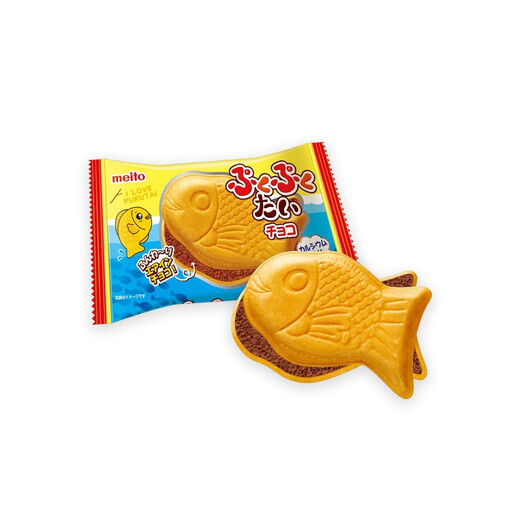
Why This Fits Their Persona: This snack is a fun, light and affordable way to try a classic Japanese street food shape (Taiyaki) at home. It's perfect for someone curious about Japanese culture who wants a novel treat without a significant financial commitment.
It avoids the "authenticity trap" by offering a genuine Japanese product format—a wafer version of Taiyaki—rather than a vaguely "Japanese-style" biscuit. It delivers a specific, fun experience as advertised.
A light, crispy wafer shell filled with airy chocolate provides a satisfying crunch. Its individual, small size makes it a convenient, low-commitment treat.
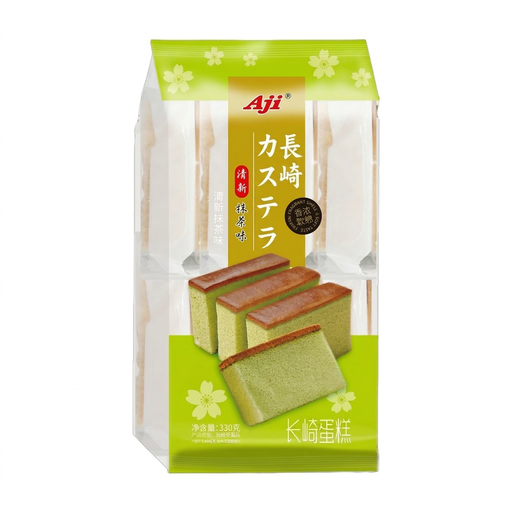
Why This Fits Their Persona: This is for someone who appreciates the nuanced flavour of matcha and seeks it in a soft, satisfying cake. The reference to Nagasaki Castella texture indicates a higher quality pastry, appealing to those with a more discerning palate.
It directly counters the "misleading flavour" pitfall. The description highlights a harmony of tea and egg aromas with a slight bitterness, indicating a balanced and authentic matcha flavour rather than just sweetness.
The cake has a moist, dense texture. It comes in a multipack of individually wrapped slices, making it convenient for enjoying with a cup of tea over several days.
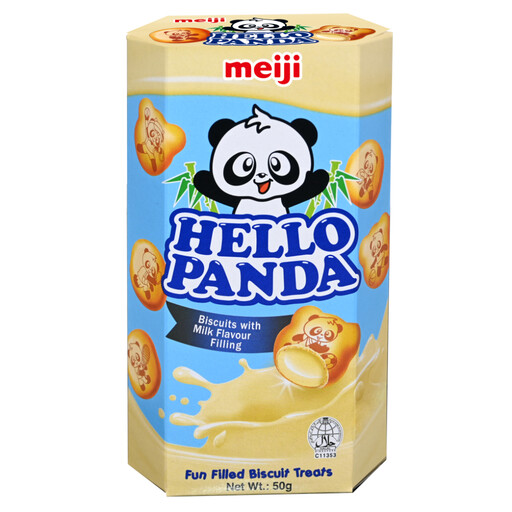
Why This Fits Their Persona: A classic choice for families, these biscuits are a hit with children thanks to the cute panda prints and simple, creamy flavour. The bite-sized, non-messy format makes them an ideal addition to a lunchbox or for an after-school snack.
This product avoids the "texture mismatch" pitfall by being a globally recognised and consistent product. You know you will get a crispy biscuit shell and a smooth filling every time, removing the risk of disappointing children.
Each biscuit features a different charming panda design, adding an element of fun. The milk-flavoured filling is sweet without being overpowering.
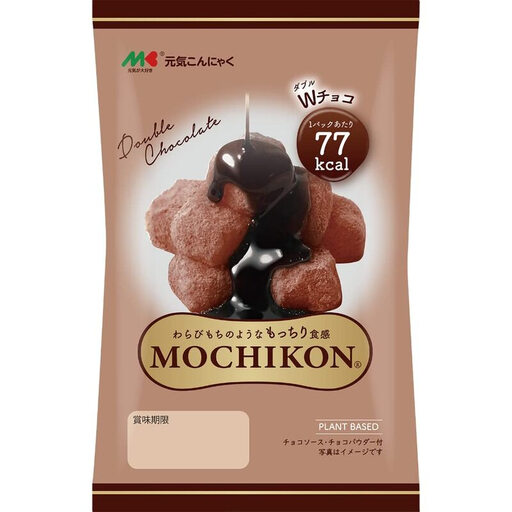
Why This Fits Their Persona: This is for someone seeking a unique Japanese dessert experience that also meets specific dietary needs. It offers the chewy texture of mochi but is made from konjac and is clearly certified Halal, providing peace of mind.
It removes the guesswork and risk of buying an unsuitable product. The Halal certification is a clear, verifiable feature, ensuring it meets the user's requirements without any ambiguity.
This dessert offers a unique, chewy texture similar to warabimochi. It is also suitable for vegans and comes with a rich chocolate sauce and powder for an indulgent finish.
We have compiled a complete, real-time list of products that fully satisfy these strict selection criteria and UK safety regulations.
You can find a wide selection of authentic Japanese snacks from online retailers that specialise in world foods. Look for sites that provide detailed product information, including a full ingredient list, country of origin and clear allergen warnings. This allows you to verify the product's authenticity and suitability before you purchase.
Both are traditional Japanese sweets made from rice flour, but they have key differences. Mochi is a soft, pounded glutinous rice cake, often filled with a sweet paste like red bean (anko) or served with ice cream. Dango are smaller, round dumplings made from a mix of rice flours, typically boiled or steamed and served on a skewer, often with a sweet soy glaze or other toppings. The texture of dango is generally firmer and chewier than mochi.
Like snacks from any culture, Japanese snacks range from savoury, low-calorie options to indulgent, sugary treats. Many traditional snacks like senbei (rice crackers) can be lighter options. Sweets, cakes and candies should be enjoyed as part of a balanced diet. The key is moderation and reading the nutritional information to make a choice that fits your lifestyle.