
24/7 Customer Support

Free returns

Same-day & Next-day Delivery

Quality Guaranteed

Unlock Your Welcome Offers: FREE Delivery | Up to 80% OFF | Free 30-day JoyPlus trial
Download the APP
Japanese snacks and food can make an appealing addition to a weekly shop, gift box or home-cooking cupboard. However, attractive packaging and unfamiliar ingredients can make comparison difficult. Whether you are looking for Japanese sweets, matcha snacks, Japanese biscuits or cooking staples, a few checks can help you avoid buying products that do not suit your preferences.
Japanese-style branding does not always mean the product was manufactured in Japan. For example, Oreo Cocoa Crunch Biscuit Sticks – Matcha lists China as its country of origin, while Meiji Chocoroom Biscuits Strawberry Flavour lists Singapore. Other products in this selection are made in Japan, Taiwan or China.
Check the country of origin on the product page and packaging if authenticity is important to you. A product can still offer a Japanese-inspired flavour profile without being manufactured in Japan.
Matcha products vary considerably. Some contain a small percentage of matcha alongside sugar, cocoa or milk ingredients. NIKKO FOODS Matcha Langue de Chat, for instance, lists 0.5% matcha powder, while the Oreo matcha biscuit sticks list 1.1% matcha powder.
For a more noticeable tea character, compare the ingredient list rather than relying only on front-of-pack wording. Matcha can also be paired with white chocolate, cocoa, strawberry or cream, so consider whether you want bitterness, sweetness or a mixed flavour.
Japanese confectionery may contain wheat, milk, egg, soya, nuts, seafood or gelatine. Even products that appear simple can include several allergen declarations. Marukin Halal Michikon Matcha lists soya, while Meito Pukupukutai Chocolate Strawberry Wafer contains wheat, milk and soya. Some seaweed products may also have shellfish cross-contact warnings.
Always read the UK allergen declaration and the current packaging before eating. This is particularly important for gift buying, vegan diets, halal requirements and food allergies.
Look beyond flavour names and check the full ingredients panel. For Japanese chocolate, Japanese confectionery and Japanese biscuits, note whether the product contains:
If buying Japanese mochi, check whether it is made with glutinous rice flour, starch, gelatine or other texturising ingredients. Texture and dietary suitability can differ significantly between products.
Small packs are useful for trying unfamiliar flavours or building a varied snack selection. Individual wrapping can also help with sharing, lunchboxes and portion management. Furuta Fresh Cream Chocolate Sky Matcha comes in individually wrapped pieces, while the Bourbon Roanne Uji Matcha Cream Wafers contain 16 individually wrapped biscuits.
For households or parties, compare total weight and number of portions rather than judging value from the packaging size alone. A 46g gummy pack and a 360g mixed mochi gift box serve very different purposes.
Most Japanese snacks are ambient products, but crispness and flavour can deteriorate after opening. Store biscuits, rice crackers and seaweed in a cool, dry place away from humidity. Reseal opened packs where possible.
Cooking ingredients need different checks. Japanese noodles may require boiling, while dried wakame needs rehydration. Yutaka Seasoned Soybean Curd Sushi Pockets are ready to fill with sushi rice, but the pack should be refrigerated after opening or defrosting and consumed within the stated period.
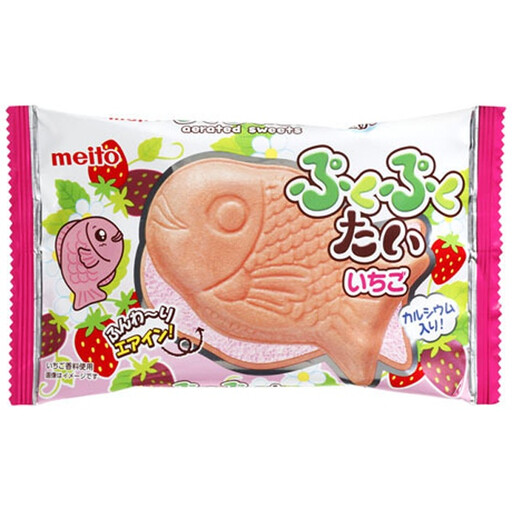
Why This Fits Their Persona: The small 16.5g pack offers a straightforward way to try Japanese confectionery without committing to a larger box. It suits commuters, desk drawers and occasional sweet treats.
The listing clearly states its 16.5g quantity, ready-to-eat format and wheat, milk and soya allergens, making the purchase easier to assess.
Crispy wafer layers, chocolate filling and strawberry flavour in a compact ready-to-eat pack.
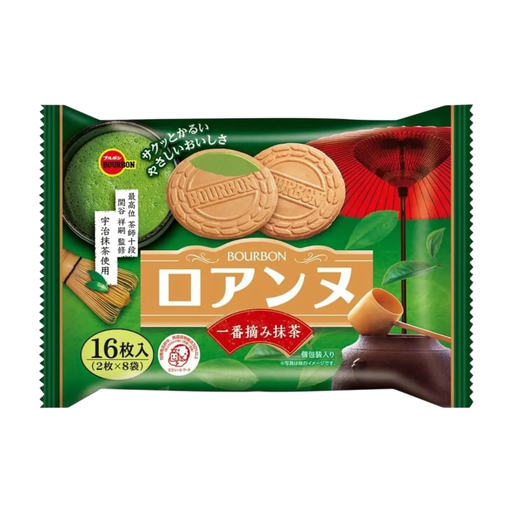
Why This Fits Their Persona: Individually wrapped wafers suit tea-time serving, gifting and shoppers seeking a more defined matcha biscuit format.
The listing identifies Uji matcha, a 134g net weight and 16-piece format, while also stating wheat, egg, milk and soya allergens.
Sixteen individually wrapped pieces and a stated matcha cream filling provide convenient serving and storage.
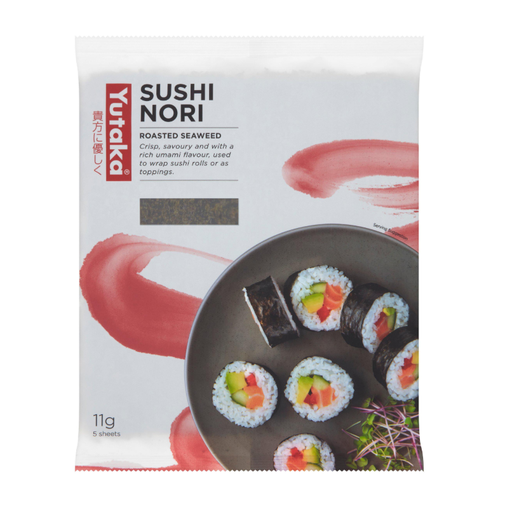
Why This Fits Their Persona: Home cooks making sushi, onigiri or rice bowls can use the five sheets across several meals rather than buying a novelty snack for one occasion.
The ingredient list states 100% seaweed, while the listing notes possible crustacean and mollusc cross-contact for allergy-conscious shoppers.
Five roasted sheets for sushi rolls, onigiri, soups, salads and garnishing.
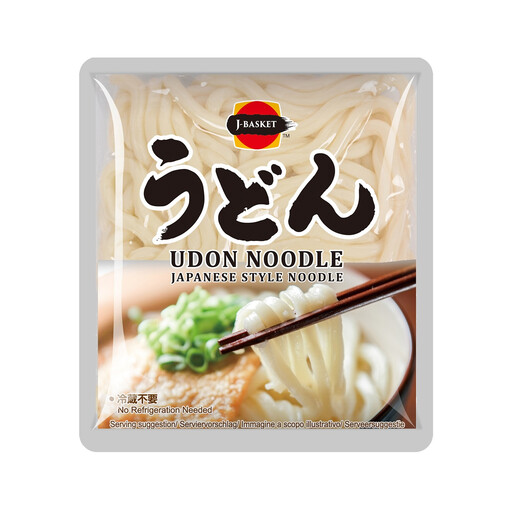
Why This Fits Their Persona: A 200g pack is practical for a quick lunch, stir-fry or noodle soup when you want Japanese-style food without a lengthy preparation process.
The cooking instruction states one minute in boiling water, and the listing clearly identifies wheat as an allergen.
Thick udon noodles with a stated 200g quantity, suitable for soups and yaki udon-style stir-fries.
We have compiled a complete, real-time list of products that fully satisfy these strict selection criteria and UK safety regulations.
Small packs of Japanese biscuits, chocolate, gummies or rice crackers are practical starting points. Matcha wafers, strawberry chocolate snacks and Japanese rice crackers offer different textures and flavour strengths without requiring preparation.
Follow the storage instructions on the individual pack. Many shelf-stable mochi products should be kept in a cool, dry place and consumed promptly after opening. Refrigeration may improve the texture of some products, but it can also affect others, so check the label first.
Compare the country of origin, ingredients, allergens, pack size and preparation instructions before ordering from an Asian snacks online UK range. The wider Japanese snacks collection includes confectionery, seaweed, noodles and other pantry items for browsing in one place.