
24/7 Customer Support

Free returns

Same-day & Next-day Delivery

Quality Guaranteed

Unlock Your Welcome Offers: FREE Delivery | Up to 80% OFF | Free 30-day JoyPlus trial
Download the APP
Japanese soft drinks offer more variety than standard cola and lemonade, from marble bottle soda and melon soda to crisp Japanese cider and unusual fruit flavours. They are popular with Asian food enthusiasts, collectors of novelty beverages, families and hosts planning themed parties.
However, colourful packaging and nostalgic branding can make it difficult to compare products sensibly. Before buying Japanese soda in the UK, check the format, ingredients, serving size and storage requirements rather than relying on appearance alone.
Traditional Ramune drink bottles use a Codd-neck design with a glass marble stopper. The opening process is part of the experience, but the bottle is less convenient to reseal once opened. Glass also requires more careful handling at picnics, parties and family gatherings.
For a simpler option, canned Japanese fizzy drinks provide a similar carbonated fruit profile without the marble-opening process. Sangaria’s 250g Ramune fruit-flavoured soda, for example, comes in a lightweight aluminium can.
Many flavoured carbonated drinks use sugar or glucose-fructose syrup, with flavouring and acidity regulators providing much of the taste. A fruit name on the label does not necessarily indicate a high percentage of fruit juice.
Compare the nutrition panel per 100ml and per bottle where available. For example, the listed Sangaria Ramune can contains 41 kcal and 10.2g of sugars per 100g, while Kimura Fujisan Cider lists 34 kcal and 8.5g of sugars per 100ml. These are useful comparison points, but serving sizes differ.
Imported drinks may have formulations that vary by market or production batch. Always read the UK label before serving, particularly when buying for children or guests with allergies.
Some products list possible traces of soya, milk, cereals containing gluten or other allergens due to shared production facilities. Certain drinks also contain added colours with UK advisory wording concerning activity and attention in children. The packaging supplied with your order should take priority over older online descriptions.
Choose the format according to how you plan to drink it:
A marble bottle should not be shaken vigorously before opening. Chill it first, use the supplied opener or plunger and keep the marble inside the bottle. Never attempt to remove the marble.
Use the nutrition panel to compare similar flavours. Japanese fruit soda, melon soda and Japanese cider are generally sweetened carbonated drinks, not low-sugar refreshments unless the product specifically states otherwise.
For a tasting event, smaller 200ml bottles allow guests to try several flavours without opening large containers. For regular meals, compare the total sugar in the full bottle rather than only the per-100ml figure.
Look for:
“Japanese-style” does not always mean manufactured in Japan. One Hata melon Ramune listing states that it is produced in China, while several other products in this selection identify Japan as the country of origin. Check the individual product page and packaging if origin matters to you.
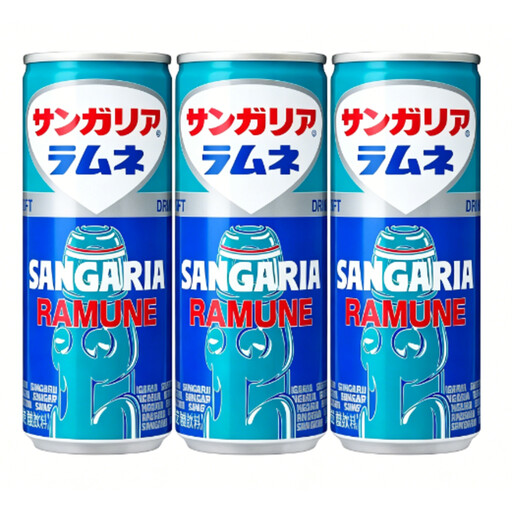
Why This Fits Their Persona: A three-can pack offers an accessible way to try Japanese soda without committing to several fragile glass bottles. It suits first-time buyers, lunch breaks and casual snacking.
The aluminium can avoids the traditional marble stopper, reducing opening difficulty and glass-handling concerns.
Made in Japan; three 250g cans; listed at 41 kcal and 10.2g sugars per 100g.
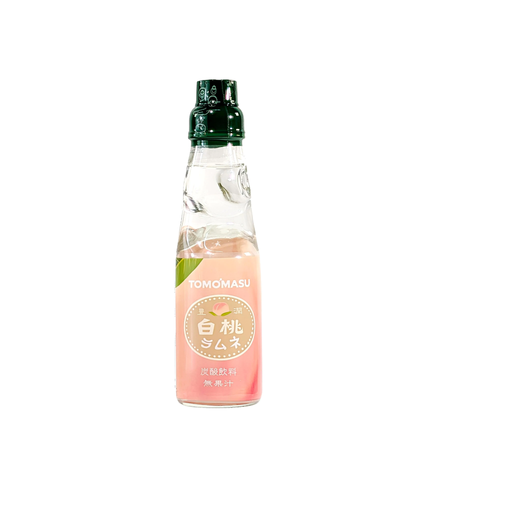
Why This Fits Their Persona: The stylish glass bottle and white peach flavour suit gifting, Japanese-themed dinners and shoppers seeking a distinctive presentation.
Its 200ml serving makes portion planning clearer than buying a large bottle for one person.
Traditional marble-opening design; listed at 44 kcal and 9.4g sugars per 100ml.
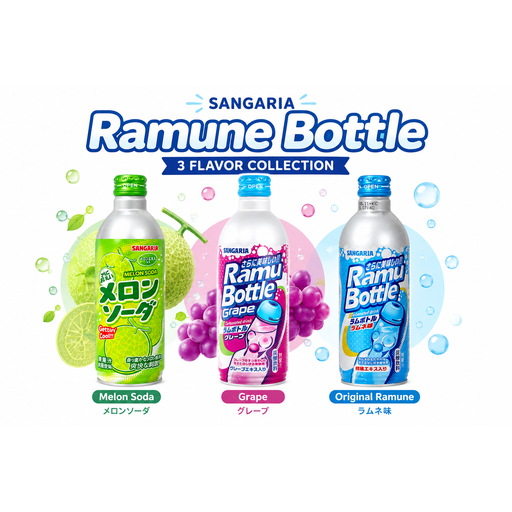
Why This Fits Their Persona: A three-flavour collection works for party hosts, family tasting sessions and anyone comparing melon, fruit and grape-style Japanese fizzy drinks.
The collection reduces the risk of buying one large quantity of a flavour that may not suit everyone.
Three 500ml bottles; includes melon, fruit and grape flavours; useful for sharing.
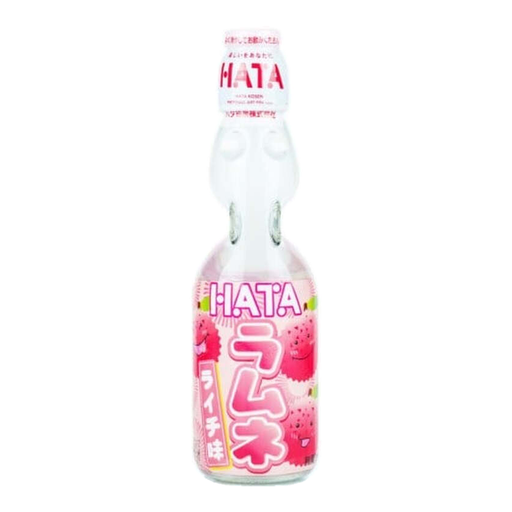
Why This Fits Their Persona: The lychee flavour and interactive marble bottle add a conversation point to parties, picnics and Asian food tasting nights.
The 200ml bottle creates individual portions, while the opening guidance makes the marble mechanism easier to use safely.
Lychee juice concentrate is listed; 43 kcal and 10.5g sugars per 100ml; supplied with a plastic opener.
We have compiled a complete, real-time list of products that fully satisfy these strict selection criteria and UK safety regulations.
If you prefer a familiar fruit profile, melon soda, strawberry Ramune, pineapple soda and white peach drinks offer sweet, aromatic options. For a sharper taste, consider lemon or grapefruit. Jarritos soda adds Mexican alternatives, including strawberry, mandarin, grapefruit and pineapple, making it easy to create a mixed imported drinks UK selection.
Japanese cider generally refers to a clear, non-alcoholic carbonated soft drink rather than alcoholic cider. Kimura Fujisan Cider and Kimura Daruma Cider are suitable examples to pair with sushi, ramen, bento boxes and savoury snacks.
Ramune is a Japanese carbonated soft drink traditionally sold in a Codd-neck glass bottle sealed with a marble. The marble is pushed into the neck with a supplied plunger before drinking. It is available in flavours such as melon, strawberry, lychee, peach and mixed fruit.
Keep unopened drinks in a cool, dry place away from direct sunlight and heat. Refrigerate before serving if preferred. Do not freeze cans or bottles, and follow the individual product instructions after opening. Marble bottles and glass containers should be handled carefully and kept away from young children.
Check the ingredients, allergen information, caffeine details where applicable and colour warnings on the packaging. Many Japanese fruit sodas contain added sugar, so they should be served in moderation as part of a balanced diet. The marble in traditional bottles also presents a choking and handling hazard.