
24/7 Customer Support

Free returns

Same-day & Next-day Delivery

Quality Guaranteed

Unlock Your Welcome Offers: FREE Delivery | Up to 80% OFF | Free 30-day JoyPlus trial
Download the APP
Recreating the deep, satisfying flavours of a restaurant-quality ramen or a comforting bowl of miso soup at home can feel like a challenge. The secret often lies not in complex techniques, but in one key ingredient: an authentic Japanese soup base. This single component provides the foundational umami and richness that defines so many classic dishes.
However, with a growing variety of liquid concentrates, powders and pastes available, choosing the right one can be confusing. This guide is designed to help UK home cooks navigate the options, understand the key differences and select the perfect Japanese soup stock to elevate their culinary creations.
To find the right product for your kitchen, consider what you plan to cook and the level of convenience you need. Here are a few practical tips to guide your purchase.
Not all soup bases are created equal. They are often formulated for specific dishes.
Japanese soup bases come in several convenient formats, each with its own benefits.
The flavour profile of a soup base is determined by its primary ingredients. A quick look at the label can tell you what to expect. Traditional bases often feature bonito stock (katsuobushi), kelp (kombu) or dried sardines (niboshi). For those following a plant-based diet, many modern options use ingredients like shiitake mushrooms, soy milk and vegetable extracts to build a similarly deep and satisfying flavour.
After reviewing the options available to UK home cooks, we've selected a few standout products that deliver on flavour, convenience and authenticity.
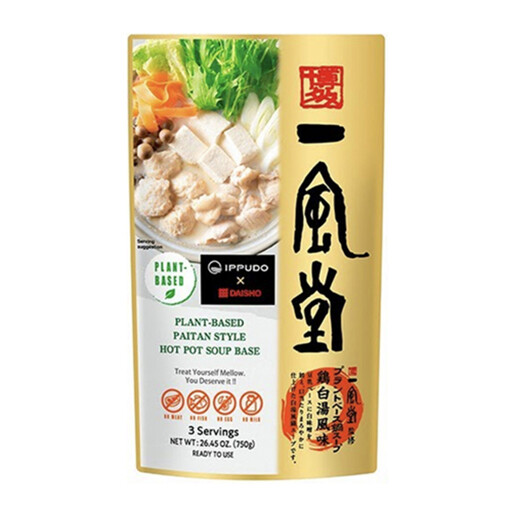
Why It Stands Out This liquid concentrate makes it incredibly simple to replicate the creamy, rich paitan style of ramen broth, but in a completely plant-based format. It delivers a complex flavour profile with a smooth soy milk foundation, balanced by savoury vegetable extracts and a hint of onion. It provides the body and depth of a traditional broth without any animal products.
Pros
Who is it for? This is an excellent choice for anyone seeking an authentic and creamy ramen soup base without meat or dairy. It's particularly well-suited for home cooks who want to impress with a high-quality, plant-based ramen or host a Japanese-style hot pot dinner.
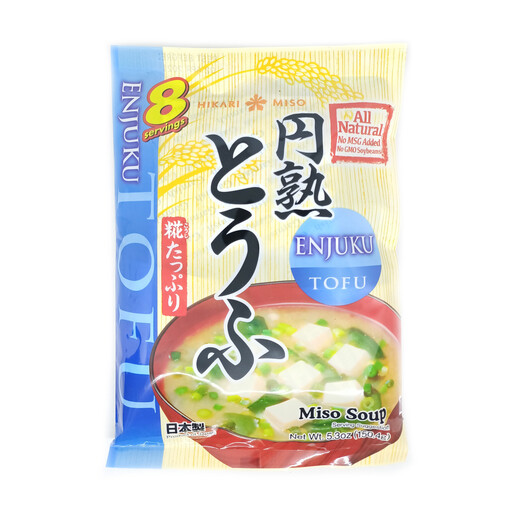
Why It Stands Out This product prioritises convenience without compromising on flavour. Each box contains eight individual servings, with separate sachets for the miso paste and the garnish, which includes real tofu, seaweed and green onion. It allows you to prepare a genuinely satisfying and authentic-tasting bowl of miso soup in minutes.
Pros
Who is it for? Perfect for busy professionals needing a quick work lunch, students in halls or anyone who wants a warm, comforting bowl of instant miso soup without any fuss.
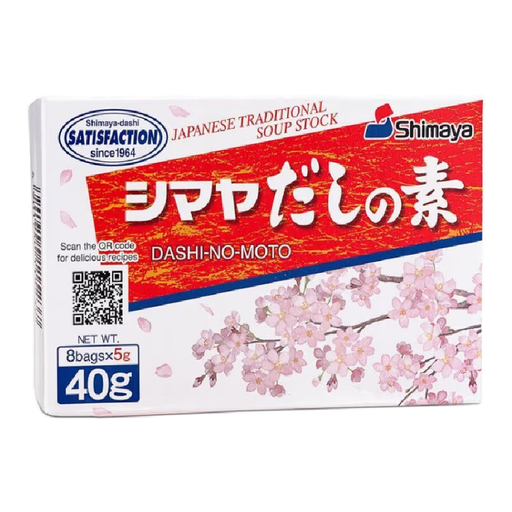
Why It Stands Out As a foundational flavouring, this dashi powder is one of the most versatile Japanese cooking essentials you can own. Made primarily from dried bonito flakes, these granules dissolve instantly in hot water to create a clear, savoury bonito stock packed with umami. It's the secret ingredient that adds depth to countless Japanese recipes.
Pros
Who is it for? This is a must-have for any home cook interested in Japanese cuisine, from beginners to seasoned enthusiasts. Its versatility makes it an indispensable pantry staple for adding a touch of authentic umami to a wide range of dishes.
These recommendations offer a starting point for exploring the world of Japanese flavours. If you're looking for different ramen styles, other types of dashi or a wider variety of seasonings, there are many more products to discover.
To discover our full range of authentic Japanese soup bases and other essential ingredients, browse our complete Japanese food ingredients collection.
What is the difference between dashi and miso soup? Dashi is a fundamental Japanese soup stock, typically made from ingredients like bonito flakes and kombu kelp. It serves as the flavour base for hundreds of dishes, including miso soup. Miso soup is a specific dish that is made by dissolving miso paste (fermented soybean paste) into dashi broth.
Can I use ramen soup base for other dishes? Absolutely. While formulated for noodles, a flavourful ramen soup base is very versatile. The rich, savoury concentrate can be used to enhance stir-fries, as a marinade for meat or tofu or diluted to create a dipping sauce for dumplings.
How do I store Japanese soup base after opening? Storage depends on the format. Liquid concentrates and pastes should be sealed tightly, kept in the refrigerator and used within the timeframe recommended on the packaging for best quality. Dry products like dashi powder should be stored in a cool, dry place away from direct sunlight. Ensure the packaging is sealed well to prevent moisture from causing the granules to clump.