
24/7 Customer Support

Free returns

Same-day & Next-day Delivery

Quality Guaranteed

Unlock Your Welcome Offers: FREE Delivery | Up to 80% OFF | Free 30-day JoyPlus trial
Download the APP
Japanese sour drinks and chūhai 350ml cans are convenient, portion-controlled and available in a wide range of fruit flavours. From grapefruit sour and lemon sour to peach, grape and plum sour, there is plenty of choice for relaxed evenings, picnics and casual gatherings.
However, attractive packaging can make comparison difficult. Alcohol strength, sweetness, serving size and product information vary significantly, so checking the label before buying is more useful than relying on flavour names or promotional descriptions.
A 350ml can may look like a small serving, but alcohol units depend on ABV. A 3% drink contains approximately 1.05 UK units, while a 9% drink can contain around 3.15 units.
The calculation is:
ABV × volume in millilitres ÷ 1,000 = alcohol units
This means a can labelled “strong” should not be compared with low-alcohol chūhai simply because both have the same capacity.
In Japanese ready-to-drink cocktails, “sour” generally refers to a carbonated spirit-based drink with fruit flavour and acidity. It does not necessarily mean sharply tart. Some products are sweet and creamy, while others are citrus-led, dry-tasting or more intense.
For example, a white sour may contain a lactic-acid beverage, whereas a grapefruit sour is more likely to offer a citrus-forward profile. Read the ingredients and flavour description rather than choosing by the word “sour” alone.
Imported Japanese alcoholic beverages may have packaging, product pages or translated descriptions that differ. Check the ABV, net quantity, ingredients, allergens, country of origin and alcohol units before purchasing.
One listing for Asahi Slat White Peach Sour includes conflicting strength information. If the can and online details do not match, use the physical label as the final reference or contact the seller before opening it.
For a lighter option, look for 3% ABV drinks. The Asahi Slat and Suntory Horoyoi products listed below are generally described as 3% by volume, with approximately 1.05–1.1 units per 350ml can.
The Suntory Strong Zero Double Plum Sour is listed at 9% ABV and approximately 3.15 units per can. It is therefore a substantially stronger choice, even though it remains a 350ml alcoholic drink.
UK adults should drink responsibly, avoid driving after drinking and follow current NHS alcohol guidance. Alcohol is not suitable during pregnancy, and products must not be sold to anyone under 18.
Consider the type of refreshment you prefer:
Also check carbohydrate and sugar information where provided. Suntory Horoyoi Grape lists approximately 9.2g sugars per 100ml, while some Asahi Slat listings provide lower figures. “Low alcohol” does not automatically mean low sugar.
A 350ml can is suitable for a single serving and is easy to chill in a standard UK fridge. Store unopened drinks in a cool, dry place away from direct sunlight, following the product instructions. Refrigerate before serving if recommended.
Most carbonated drinks are best consumed promptly after opening. This helps preserve their fizz and prevents the flavour from becoming flat. For outdoor use, transport cans securely and keep them cold in an insulated bag.
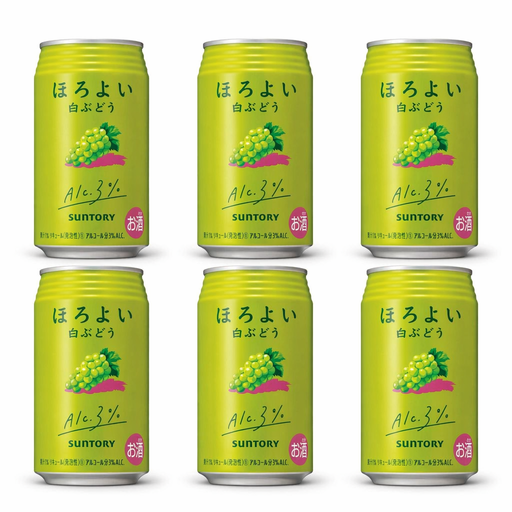
Why This Fits Their Persona: A straightforward entry point for shoppers exploring Japanese fruit-flavoured alcoholic drinks without moving to a higher-strength option.
Its listed 3% ABV makes the alcohol strength clear, helping buyers distinguish it from 9% Strong Zero products.
White grape flavour, 350ml format and approximately 1.05 units per can according to the listing.
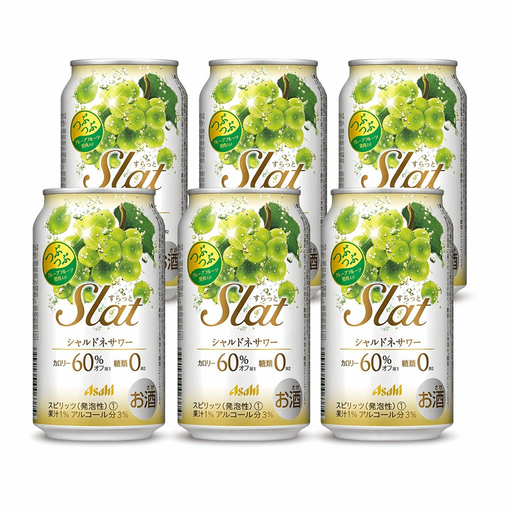
Why This Fits Their Persona: Suits adults looking beyond familiar lemon and peach flavours towards a grape-led drink with a softer, creamy-style character.
The listing identifies the 350ml quantity and 3% ABV, so the product can be compared on serving size and strength rather than packaging alone.
Chardonnay grape and yoghurt-style flavour pairing; listed nutrition is 37 kcal per 100ml.
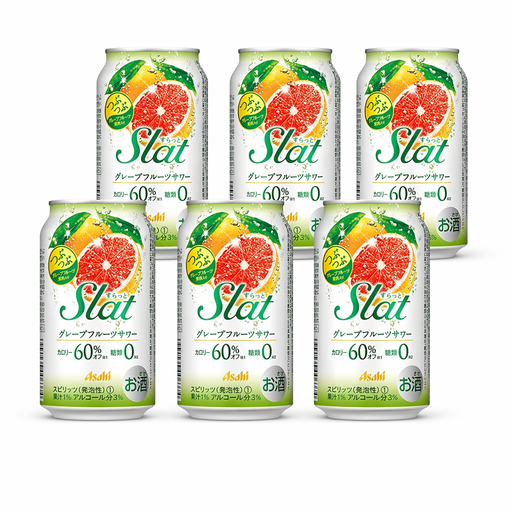
Why This Fits Their Persona: A practical match for seafood, salads and warm-weather occasions where a sharper citrus profile is preferred.
The listed 3% ABV and 350ml size make it easier to assess against other low-alcohol chūhai.
Grapefruit flavour, carbonated format and stated 3% alcohol content.
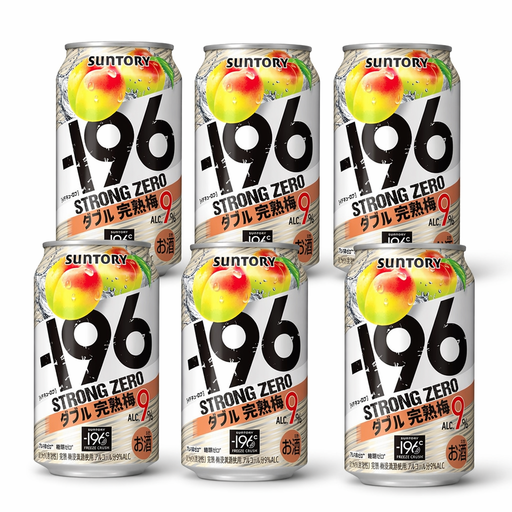
Why This Fits Their Persona: Designed for adults specifically seeking a stronger Japanese alcoholic beverage in a compact single-can format.
Its 9% ABV and approximately 3.15 units per can are clearly stated, reducing the risk of mistaking it for a 3% chūhai.
Double plum flavour and a higher 9% alcohol strength in a 350ml ready-to-drink can.
We have compiled a complete, real-time list of products that fully satisfy these strict selection criteria and UK safety regulations.
Yes. A 350ml can is generally intended as an individual serving. The number of UK alcohol units varies by ABV: a 3% can contains roughly 1.05 units, while a 9% can contains about 3.15 units. Check the specific packaging before drinking.
Chill the can before serving and consume it promptly after opening to retain carbonation. Some fruit flavours can also be poured over ice, although this may dilute the drink. Keep unopened cans away from direct sunlight and heat.
No. Alcohol strength and sugar content are separate measurements. A 3% drink may still contain notable carbohydrate or sugar levels, particularly creamy or sweet fruit styles. Compare the nutrition panel per 100ml and remember to multiply it by 3.5 for the contents of a 350ml can.