
24/7 Customer Support

Free returns

Same-day & Next-day Delivery

Quality Guaranteed

Unlock Your Welcome Offers: FREE Delivery | Up to 80% OFF | Free 30-day JoyPlus trial
Download the APP
Making sushi at home often goes wrong before the rice reaches the saucepan. A packet may say “sticky rice”, but that does not always mean it is suitable for sushi. Shoppers can also overpay for premium-looking packaging or buy a large bag that loses quality before it is used.
This guide from the Joybuy Product Recommendation Officer focuses on practical checks: grain type, cooking behaviour, pack size, storage and intended use. Whether you need rice for onigiri, Japanese rice for rice bowls or regular family meal preparation, these details can help you choose more confidently.
Short grain sushi rice becomes cohesive when cooked, allowing rolls and nigiri to hold their shape while retaining a tender bite. Glutinous rice, sometimes called sweet rice, has a much more elastic and dense texture. It is used for products such as mochi and glutinous rice balls, rather than standard sushi.
Check the ingredient description carefully. For sushi, look for short grain rice, round grain sushi rice or Japanese short grain rice. A product labelled only “glutinous rice” may not produce the texture you expect.
Japanese-style rice can be cultivated and processed in several countries. The listed products include rice from Vietnam, Thailand, Italy and other origins, so check the country-of-origin information if provenance matters to you. Origin does not alone determine whether the rice is suitable for sushi; grain shape, starch behaviour and cooking instructions are more useful selection points.
A sushi rice 1kg bag may suit occasional sushi nights or smaller households. A sushi rice 2kg or sushi rice 5kg pack can make more sense for families and frequent meal preparation, while a sushi rice 10kg bag is generally aimed at restaurants, caterers or households with high consumption.
Rice should be kept sealed in a cool, dry place away from sunlight and moisture. Once opened, transferring it to an airtight container helps protect it from humidity and pests.
Choose short or round grains when you want rice that clings together without becoming entirely paste-like. For sushi, onigiri and rice bowls, the useful balance is cohesion with identifiable grains.
Product descriptions may mention a glossy finish, slight sweetness or tender texture. Treat these as expected eating characteristics rather than guarantees of a particular recipe result, because water measurement, soaking time and cooking equipment also affect the outcome.
Most products recommend rinsing two or three times until the water becomes clearer, followed by soaking for around 20–30 minutes. Water ratios vary:
Use the packet instructions as the primary reference. After cooking, leaving the rice covered for around 10 minutes allows moisture to distribute more evenly. If preparing sushi, fold in sushi vinegar gently after resting rather than vigorously stirring, which can break the grains.
Plain sushi rice usually contains one ingredient: rice. Even so, read the label if you have food allergies or are buying for children. Rice snacks and prepared onigiri are different products and may contain soya, wheat, mustard, fish, sesame, milk or nuts.
For example, rice crackers can include seasoning powders and soy sauce, while filled glutinous rice balls may contain peanuts, soy and sesame. Always check the current packaging, particularly where allergy information is important.
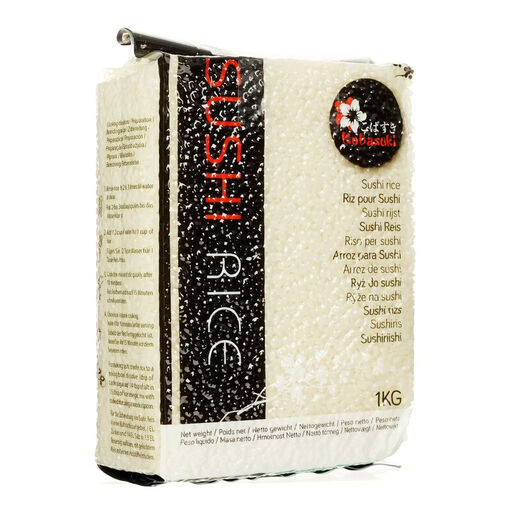
Why This Fits Their Persona: A manageable pack for UK shoppers trying homemade sushi, onigiri or rice bowls without committing to bulk storage.
It is identified as short-grain rice rather than glutinous rice, with clear rinsing, soaking and cooking guidance.
1kg quantity; suitable for sushi, onigiri and poke-style bowls; listed as 100% short-grain rice.
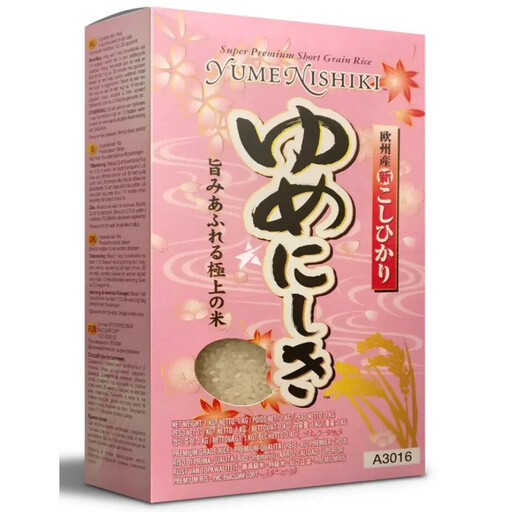
Why This Fits Their Persona: Suits cooks who want one versatile short-grain rice for sushi, donburi, onigiri and everyday Japanese-style meals.
The product details specify short grains, recommended soaking and a measured water ratio, rather than relying only on premium wording.
1kg pack; described for sushi, rice balls and rice bowls; listed as 100% short-grain rice.
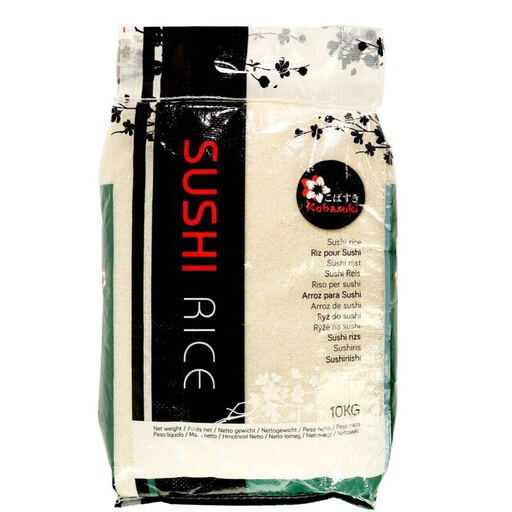
Why This Fits Their Persona: Designed for restaurants, caterers, large families and frequent meal preparation where a smaller bag would be used quickly.
The 10kg size is clearly matched to high-volume use, reducing the risk of buying more rice than an occasional cook can store or consume.
Large catering-friendly quantity; round grain; suitable for sushi, rice bowls and Japanese dishes.
We have compiled a complete, real-time list of products that fully satisfy these strict selection criteria and UK safety regulations.
If you are buying prepared rice snacks, storage differs. Mizuho Norimaki California rice crackers and Thai-Nichi rice crackers are ready to eat and should be resealed to protect their crisp texture. Frozen glutinous rice balls require freezer storage at −18°C or below and should not be refrozen after thawing.
Not necessarily. “Japanese rice” can describe a style, intended cuisine or product category, while short grain sushi rice refers more specifically to the grain characteristics needed for cohesive sushi. Check the ingredient list, country of origin and cooking instructions before purchasing.
Yes. Short grain rice is suitable for rice for onigiri, Japanese rice for rice bowls, donburi and many home-style dishes. For onigiri, shape the rice while it is warm enough to bind, using damp hands and a little salt if desired.
Choose 1kg for occasional use, 2kg for regular household cooking and 5kg for frequent sushi-making, family meals or smaller catering jobs. A 10kg bag is more appropriate when rice is used regularly and can be stored in a cool, dry, airtight environment.