
24/7 Customer Support

Free returns

Same-day & Next-day Delivery

Quality Guaranteed

Unlock Your Welcome Offers: FREE Delivery | Up to 80% OFF | Free 30-day JoyPlus trial
Download the APP
By the Joybuy Product Recommendation Officer
Japanese sweets and confectionery cover a broad range of textures and flavours, from fruit-filled Japanese gummies and Japanese soft sweets to Japanese mochi, daifuku wagashi and matcha sweets. That variety is appealing, but it can also make online shopping confusing. Product photography may show a large assortment while the actual pack is modest, and “Japanese-style” does not always mean the confectionery was made in Japan.
This guide explains the details worth checking before you buy, then matches a selection of sweets to different shopping needs.
A product described as Japanese-style may be made outside Japan. For example, I MEI Japanese Style Rich Milk Candy lists China as its country of origin, while Royal Family Cacao Mochi Strawberry Flavour is made in China. This does not automatically indicate poor quality, but it matters if you are specifically seeking confectionery made in Japan.
Check the product page and packaging for:
Several Kasugai gummies in this selection, including the peach, grape, lychee, mango and muscat varieties, list Japan as their country of origin.
Many chewy sweets use gelatine, which is animal-derived and generally makes them unsuitable for vegetarians and vegans. Soya, milk, egg and possible cross-contamination are also important considerations.
For example, Kasugai Frutia Fruit Gummy Assortment contains gelatine and soya lecithin. Kasugai Grape Gummy contains gelatine and soya, with possible traces from shared production equipment. Marukin Halal Michikon Matcha uses konjac and corn starch rather than gelatine, but it contains soya beans and sweeteners.
Always read the current packaging before eating. Online ingredient information can change, and it should not replace the allergen declaration on the product label.
Texture is central to Japanese desserts. Gummies can become hard or sticky if exposed to heat and moisture, while mochi may require different handling. Yamamotoya Red Bean Paste Daifuku Wagashi, for instance, should be kept frozen at -18°C or below. It is not interchangeable with a shelf-stable mochi snack.
For packaged gummies and soft sweets, look for resealable packaging and store the product in a cool, dry place away from direct sunlight. Check the best-before date, particularly when buying several bags for a party or gift hamper.
Start with the label rather than the marketing description. If authenticity is your priority, select products that clearly state made in Japan. If dietary suitability is more important, check for gelatine, soya, milk, egg and sulphites.
Terms such as “real fruit juice” should also be read in context. The amount varies by product: Kasugai Muscat Gummy lists 17% concentrated muscat grape juice, while Kasugai Grape Gummy lists 5% concentrated grape juice. These figures describe ingredients, not a health benefit.
Choose the texture that matches how you plan to eat the sweets:
Mochi can be a choking hazard, especially for young children, so follow the packaging instructions and supervise children when appropriate. Gummies and hard-to-chew sweets should also be kept away from very young children.
Compare the net weight, not just the number of packets. Many individual Japanese gummies weigh around 102g or 107g, while the Kasugai Japanese Gummy Bundle provides multiple flavours for sharing or sampling.
Confectionery is an occasional treat, and several products list approximately 50g or more of sugar per 100g. Checking the nutrition panel helps you compare products without relying on phrases such as “premium” or “natural”. A larger multi-pack may offer more flavour variety, but a single bag can be more practical if you are trying a new texture.

Why This Fits Their Persona: A straightforward starting point for shoppers who want to sample several fruit flavours without committing to a larger bundle.
The 102g net weight is clearly stated, and the ingredients identify apple, orange, grape, peach and strawberry fruit juice.
Made in Japan; the listed allergen information states none, subject to checking the current pack.
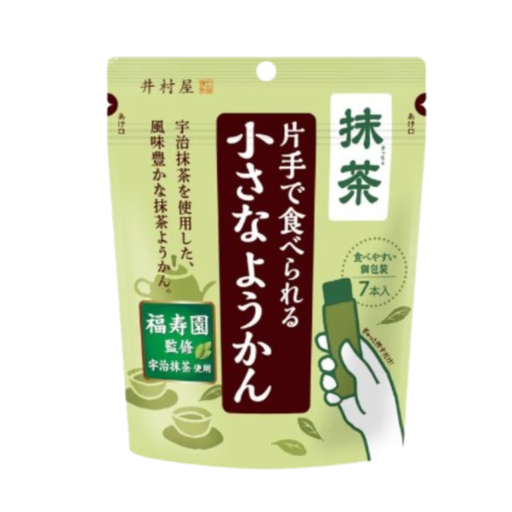
Why This Fits Their Persona: A portioned matcha sweet for adults who prefer a traditional-style Japanese dessert with tea or as a small gift.
The pack specifies seven pieces and 98g, making the serving format easier to understand than a purely image-led listing.
Matcha is included in the ingredient list; individual pieces may suit controlled sharing.
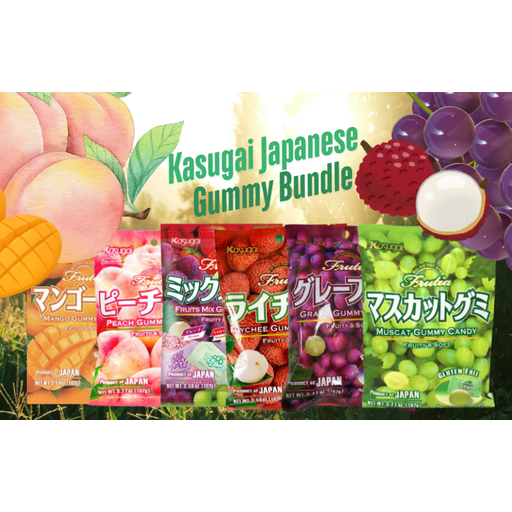
Why This Fits Their Persona: Useful for parties, office sharing, gifting or dedicated fans who want several Japanese gummies in one purchase.
The bundle identifies its flavour range and flags gelatine, soya and other allergen differences between varieties.
Multiple fruit flavours; products are made in Japan and designed for portable snacking.
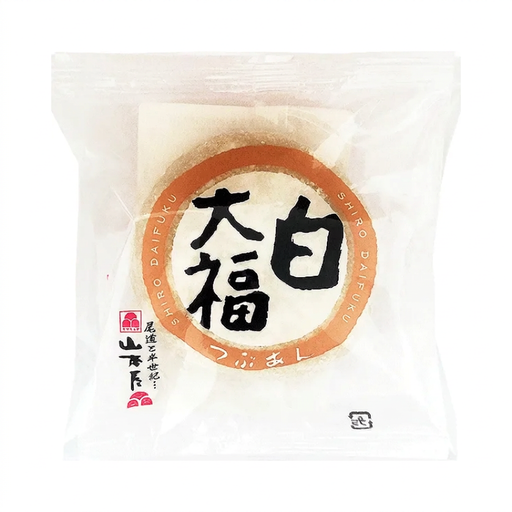
Why This Fits Their Persona: Suits shoppers exploring wagashi and daifuku with a soft glutinous rice exterior and bean-paste filling.
The product listing states the soya allergen and gives clear storage guidance, rather than presenting mochi as a generic shelf snack.
100g pack; soft glutinous rice flour shell with a sweet bean-paste centre.
We have compiled a complete, real-time list of products that fully satisfy these strict selection criteria and UK safety regulations.
Not always. Gummies, soft sweets and some mochi products may contain gelatine. Check the ingredients and allergen statement for every flavour. Konjac-based products may use a different setting agent, but you should still confirm the current label.
Keep unopened bags in a cool, dry place away from sunlight and heat. Reseal opened packaging to reduce drying and sticking. Do not refrigerate unless the product specifically recommends it, as chilling can alter the texture.
Mochi generally refers to a soft, chewy rice-based sweet, while daifuku usually describes mochi filled with a sweet centre such as red bean paste. Storage varies considerably, so check whether the product is shelf-stable, chilled or frozen before ordering.