
24/7 Customer Support

Free returns

Same-day & Next-day Delivery

Quality Guaranteed

Unlock Your Welcome Offers: FREE Delivery | Up to 80% OFF | Free 30-day JoyPlus trial
Download the APP
From the vibrant pop culture of anime to a deep appreciation for culinary craftsmanship, Japanese culture has a special place in the UK. This fascination extends to its confectionery, a world of unique flavours and textures far removed from the typical British sweet shop. However, as the popularity of Japanese sweets grows, so does the challenge of finding authentic, high-quality products. Many UK shoppers find themselves disappointed by "Japanese-style" snacks that miss the mark on flavour or quality.
As the Joybuy Product Recommendation Officer, my role is to help you navigate the market. This guide will highlight common pitfalls to watch for and break down the key factors that separate genuinely delightful Japanese snacks UK residents will love from the forgettable imitations.
Venturing into the world of Japanese confectionery is exciting, but a few common issues can lead to a disappointing experience. Being aware of them is the first step to making a satisfying purchase.
To avoid these traps, focus on a few key details on the product page. This will help you assess the quality and authenticity of the sweets you're considering.
This is a simple but powerful indicator. While not every product made outside Japan is poor quality, items marked "Made in Japan" are generally produced for the domestic market, which has high standards for flavour accuracy and texture. This is particularly important when seeking an authentic experience with items like Japanese mochi or traditional candies.
The ingredients list reveals the true character of a sweet.
Always review the full ingredients and allergen information. Reputable sellers in the UK will clearly list common allergens like soy, milk and nuts. Pay attention to the presence of gelatin if you are vegetarian or vegan. Also, take note of any specific food colourings mentioned, especially if you are buying treats for children.
Based on these practical criteria, here are a few recommendations matched to different tastes and preferences.
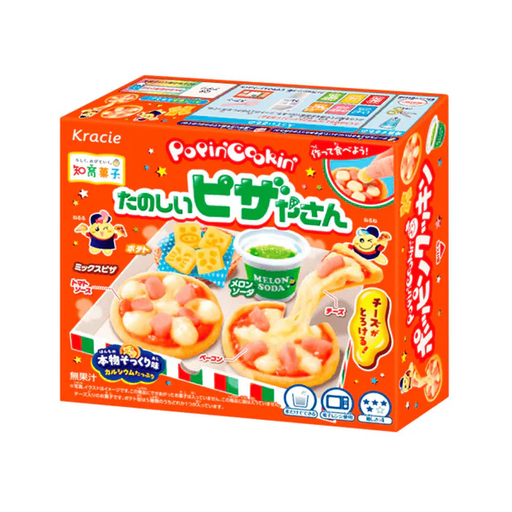
Why This Fits Their Persona: This is more than just a snack; it's a fun, hands-on activity. Families in the UK looking for a unique way to spend an afternoon with the kids will find this DIY candy kit engaging and memorable. It's a novelty that delivers a shared experience.
It sidesteps the "authenticity" trap by being transparently a fun, modern Japanese invention. The value is in the creative process, not in mimicking a traditional sweet, so expectations are perfectly met.
Provides an interactive and creative experience. All ingredients are included, and you just need water to create your own miniature candy pizza.
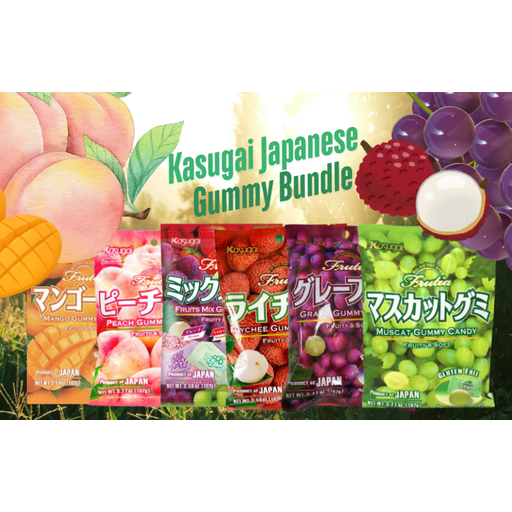
Why This Fits Their Persona: This person wants the real deal. Kasugai is a well-respected Japanese brand, and this bundle offers a tour of their most popular fruit flavours like Lychee, Peach and Muscat Grape. It's ideal for someone who appreciates genuine fruit taste over generic sweetness.
It directly counters the "artificial flavour" pitfall. The product descriptions confirm they are made in Japan and use real fruit juice or puree, ensuring the flavour is vibrant and true to the fruit.
Features a distinctively soft and chewy texture that is a hallmark of quality Japanese gummies. The bundle format allows for discovering multiple authentic flavours at once.
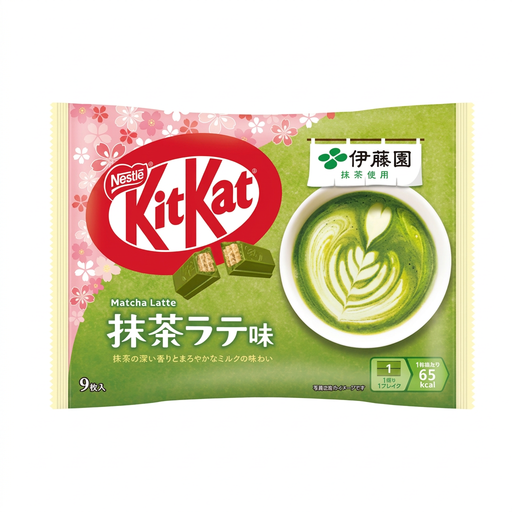
Why This Fits Their Persona: This user is tired of overly sweet, vaguely "green tea" flavoured snacks. They want a proper matcha experience. This KitKat is a special edition co-branded with Ito En, one of Japan's most respected tea producers, making it a standout choice for a discerning palate.
The collaboration with Ito En ensures a higher standard of matcha flavour. This avoids the pitfall of weak or artificial taste, delivering a balanced matcha latte profile with the classic KitKat wafer crunch.
An authentic Japanese market product that combines the familiar KitKat format with a premium, recognisable matcha brand. The individual packaging makes it great for sharing or portion control.
We have compiled a complete, real-time list of products that fully satisfy these strict selection criteria and UK safety regulations.
This is a very common question, and the answer is often no. Many popular items, especially gummies (Kasugai, Hi-Chew) and soft candies, contain gelatin, which is an animal-derived product. Some mochi may also contain milk derivatives. It is essential to carefully read the ingredients list for every product, as vegetarian options are less common than in UK confectionery.
Most Japanese candy and snacks should be stored in a cool, dry place away from direct sunlight and heat. This prevents gummies from melting or sticking together and keeps biscuits and wafers crisp. For products like Japanese mochi, once the package is opened, it's best to consume them quickly as they can dry out and harden. Always check the packaging for specific storage instructions.
If you're new to the world of Japanese sweets, fruit flavours are a great starting point. Peach, lychee, muscat grape and strawberry are incredibly popular and often taste remarkably true to the actual fruit. For something more traditional, matcha sweets offer a unique, slightly earthy balance to sweetness, while red bean (anko) provides a rich, sweet and dense flavour common in desserts like mochi.