
24/7 Customer Support

Free returns

Same-day & Next-day Delivery

Quality Guaranteed
Download the APP
Categories
The world of Japanese tea is rich with tradition, flavour and nuance. From the vibrant, energising whisk of matcha to the comforting, roasty notes of hojicha, there is a Japanese tea to suit every palate and occasion. However, with so many options available, navigating the choices to find high-quality, authentic Japanese tea can feel overwhelming.
As the Joybuy Product Recommendation Officer, my role is to help you understand the key differences and identify products that deliver on their promise of quality and taste. This guide will walk you through what to look for when buying tea from Japan and present a few of our standout recommendations for 2026, helping you make a choice that fits your lifestyle, whether you're a seasoned tea connoisseur or just beginning your journey.
Before diving into specific products, a few practical tips can help you narrow down your search and ensure you select a tea you will genuinely enjoy.
While there are many types of Japanese tea, three popular choices offer distinct experiences:
Authenticity is key to experiencing the true character of Japanese tea. Look for products that clearly state their origin is Japan. Renowned tea-growing regions like Kyoto (Uji), Fukuoka (Yame) and Shizuoka are often associated with exceptional quality. The processing method—whether it's stone-ground for matcha or flame-roasted for hojicha—is also a crucial indicator of the care and tradition behind the product.
How do you plan to enjoy your tea? Your answer will guide you to the right format.
Based on origin, flavour profile and versatility, here are three recommendations that represent the quality and diversity of Japanese tea.
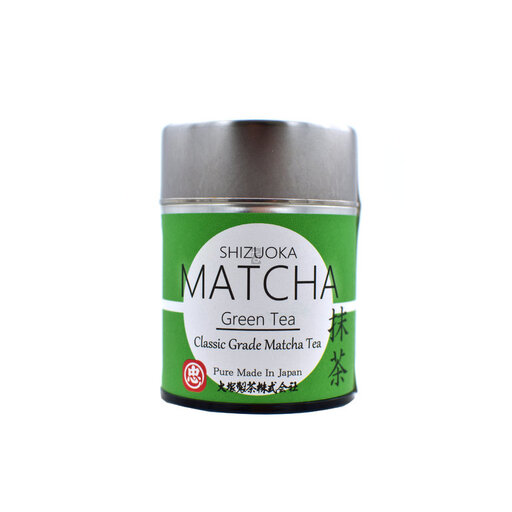
Why It Stands Out: This matcha comes from the famed Shizuoka prefecture, a region celebrated for its ideal tea-growing climate. It is traditionally stone-ground from shade-grown tencha leaves, a meticulous process that preserves the tea's vibrant green colour, delicate aroma and complex flavour. The result is a 100% pure matcha powder with a silky-smooth texture and a beautifully balanced taste, harmonising deep umami with a subtle, refined bitterness.
Pros:
Who is it for? This is an excellent choice for home baristas and culinary enthusiasts who want a high-grade, versatile matcha for both drinking and cooking. Its quality is suited for those who appreciate the nuances of a traditional preparation but also want the flexibility to create modern matcha-based drinks and desserts.
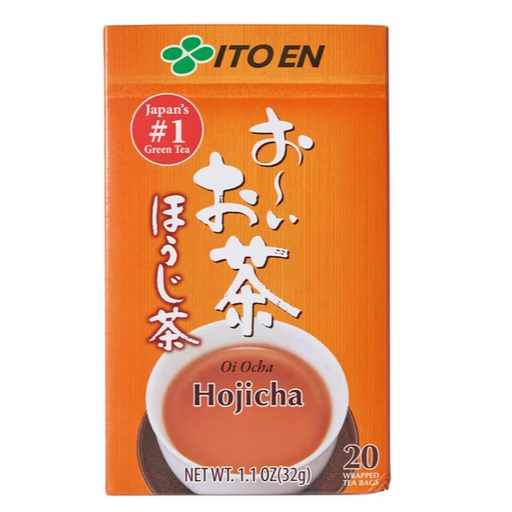
Why It Stands Out: From the well-known Itoen tea brand, this hojicha offers a unique and comforting experience. The tea leaves undergo a high-temperature direct flame roasting, which imparts a distinctively rich, nutty and smoky flavour with a smooth finish. The triangular nylon tea bags are designed for optimal flavour extraction, making it incredibly easy to brew a café-quality cup at home. Its naturally low caffeine content makes it a perfect evening beverage.
Pros:
Who is it for? This is ideal for anyone seeking a soothing, low-caffeine alternative to coffee or standard green tea. It is perfect for those who enjoy warm, toasty flavours and appreciate the convenience of a high-quality tea bag.
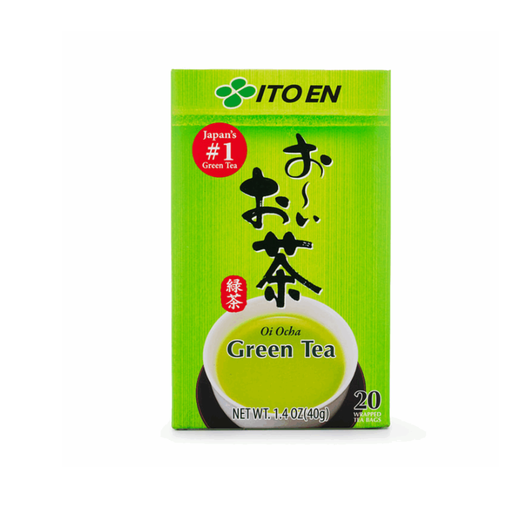
Why It Stands Out: This is a classic, everyday Japanese green tea that delivers consistent quality and authentic flavour. Made from 100% Japanese-grown tea leaves, these tea bags brew a clear, smooth cup with the clean, refreshing and subtly vegetal notes characteristic of high-quality sencha. It embodies the Japanese principle of ocha as a source of well-being, offering a moment of calm and focus in a simple, accessible format.
Pros:
Who is it for? This tea is for anyone looking for a dependable, high-quality daily green tea. It is perfect for the workplace or for those who want to enjoy the authentic taste of Japanese green tea without the ceremony of loose-leaf preparation.
If our selections have sparked your curiosity or if you are searching for other varieties like genmaicha (green tea with roasted brown rice) or gyokuro, there is a wider world of Japanese tea to discover.
Explore our full collection of Green Tea to find the perfect brew for your taste.
What is the difference between Japanese and Chinese green tea? The main distinction lies in the processing. To prevent oxidation, Japanese green teas are typically steamed, which helps preserve a vibrant green colour and a fresh, vegetal or umami-rich flavour. In contrast, Chinese green teas are often pan-fired, which results in a toastier, more mellow flavour and a yellowish-green hue.
Is matcha powder a healthy choice? Matcha is made from the entire tea leaf, ground into a fine powder, which means you consume all its components. It contains antioxidants, including catechins, and the amino acid L-theanine, which is often associated with a feeling of calm alertness. It can be a flavourful and functional part of a balanced diet.
How should I store my Japanese tea to keep it fresh? Tea is sensitive to light, air, heat and moisture. To maintain its flavour and aroma, store it in an airtight, opaque container in a cool, dry place away from strong odours. For premium matcha powder, it is often recommended to store the can in the refrigerator after opening to help preserve its freshness and colour.