
24/7 Customer Support

Free returns

Same-day & Next-day Delivery

Quality Guaranteed

Unlock Your Welcome Offers: FREE Delivery | Up to 80% OFF | Free 30-day JoyPlus trial
Download the APP
Navigating the world of authentic Japanese tofu can be surprisingly complex. You might pick up a block for a stir-fry, only to have it disintegrate into a cloudy mess, or buy what you thought was for sushi, only to find it is a sweet pouch. Many UK home cooks, eager to explore Japanese cuisine, find themselves frustrated by these simple but costly mistakes. The good news is that selecting the right product is straightforward once you know what to look for.
As a Joybuy Product Recommendation Officer, my role is to help you bypass the confusion. We will look at the common pitfalls when you buy Japanese food online in the UK and clarify the essential factors that ensure you get the perfect tofu for your dish, every time.
fried tofu for sushi recipe will not work as intended.To avoid the traps above, focus on these three core parameters. Getting them right is the key to mastering your Japanese cooking ingredients.
The texture of tofu dictates its use in the kitchen. It is the single most important factor to check before you buy.
silken tofu dessert, adding to miso soup just before serving or serving chilled with a simple dressing.Beyond plain blocks, Japanese cuisine uses tofu in several processed forms.
instant miso soup with tofu sachets, this tofu rehydrates in hot water, providing a soft, spongy texture. It is designed for ultimate convenience.To help you choose, we have matched some excellent options to different cooking needs and lifestyles.
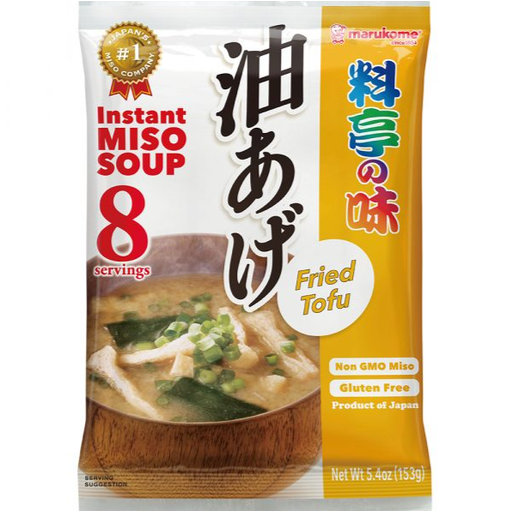
Why This Fits Their Persona: For those short on time, this instant soup delivers an authentic, comforting meal in minutes. It is a perfect warming lunch for the office or a quick starter for a Japanese-themed dinner, requiring no cooking skills.
This product combines freeze-dried fried tofu with the miso base, completely removing the guesswork of which tofu to use or how to prepare it. It is an all-in-one solution.
The "Ryotei No Aji" line is known for its restaurant-quality flavour, using a rich miso base with bonito and kelp extracts for deep umami. It offers convenience without compromising on taste.
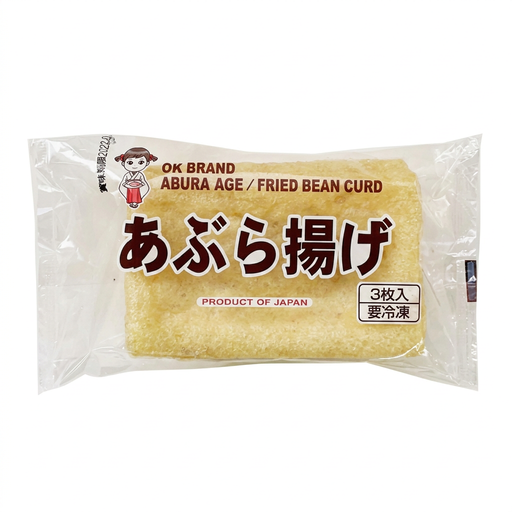
Why This Fits Their Persona: This is for the home cook dedicated to recreating specific Japanese dishes like Inari Sushi or Kitsune Udon. They need the correct, specific ingredient, not a generic substitute.
This product is explicitly aburaage, the deep-fried tofu pouches. This avoids the pitfall of buying plain fried tofu cubes and ensures the recipe for stuffed sushi will be successful.
These are authentic, Japanese-made pouches, providing the correct texture and size for traditional recipes. Being a frozen product, it can be stored for longer periods until needed.

Why This Fits Their Persona: Perfect for those who plan their meals and want a reliable, plant-based protein source in their pantry. Its versatility makes it suitable for stir-fries, salads and curries.
As an ambient product, it solves the storage problem. You can stock up without worrying about short expiry dates. It is also clearly labelled as firm, avoiding any texture mismatch for cooked dishes.
Made with just three simple ingredients, it offers a pure soy flavour. Its firm texture holds its shape exceptionally well during cooking, ensuring a great result in high-heat dishes.
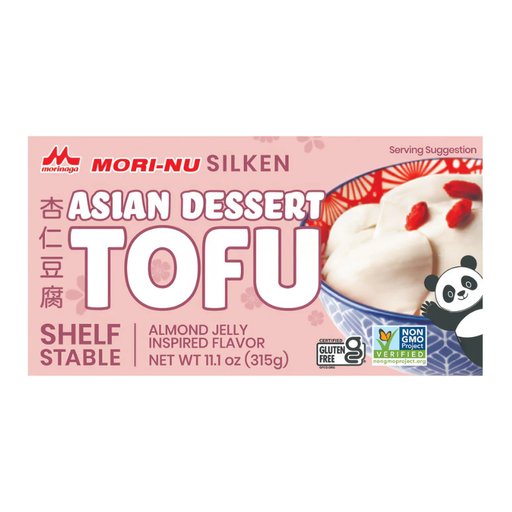
Why This Fits Their Persona: This is for the adventurous cook looking to make a light, refreshing and unique silken tofu dessert. It can be enjoyed on its own or used as a base for creative toppings.
This product is specifically marketed as a dessert tofu. It removes the risk of buying standard silken tofu and trying to sweeten it, as this one is already prepared with a delicate flavour.
It is ready-to-eat and shelf-stable thanks to its aseptic packaging, making it incredibly convenient. The texture is exceptionally smooth and creamy, providing a perfect base for fruit, syrup or kinako.
We have compiled a complete, real-time list of products that fully satisfy these strict selection criteria and UK safety regulations.
1. How do I prevent firm tofu from falling apart when I cook it? The key is to remove as much water as possible before cooking. Place the block of firm tofu on a plate lined with paper towels. Put more paper towels on top, followed by a heavy object like a cast-iron pan or a few books. Let it press for at least 30 minutes. This makes the tofu denser and less likely to crumble.
2. Can I freeze tofu? Yes, and it dramatically changes the texture. Freezing tofu causes the water inside to form ice crystals, which create small, porous holes. Once thawed, the tofu becomes chewier, spongier and much better at absorbing marinades and sauces. This works particularly well with firm or extra-firm tofu.
3. What is the difference between Japanese and Chinese tofu? While both are made from soybeans, there are subtle differences. Japanese tofu often uses nigari (magnesium chloride) as a coagulant, which can impart a slightly sweeter, more complex flavour. It is also often praised for its smoother, more delicate texture compared to some Chinese varieties, which might use gypsum (calcium sulphate) and have a slightly denser feel. However, textures and types overlap significantly between the two cuisines.