
24/7 Customer Support

Free returns

Same-day & Next-day Delivery

Quality Guaranteed

Unlock Your Welcome Offers: FREE Delivery | Up to 80% OFF | Free 30-day JoyPlus trial
Download the APP
Japanese tonkotsu ramen is known for a rich, savoury broth inspired by pork-bone soup, springy noodles and toppings that turn a quick meal into something more substantial. For UK shoppers, instant tonkotsu ramen offers convenience without requiring a long simmering stock. However, products vary considerably in portion size, preparation method, ingredients and storage format.
Whether you want a quick desk lunch, a family-sized tonkotsu ramen multipack or a tonkotsu ramen soup base for home cooking, checking the details before buying can prevent disappointment.
The term tonkotsu refers to the style of broth traditionally associated with pork bones, but instant products may use flavourings, hydrolysed vegetable protein, chicken-style seasoning, seafood ingredients or umami seasonings instead of pork ingredients. Some products are labelled “pork-style” or “tonkotsu flavour”.
Always read the ingredients and allergen information if you require a specific meat content, avoid fish or follow a particular diet. Product descriptions and packaging can change, so the label supplied with your order should take priority.
Crispy ramen snacks are dry, seasoned noodle treats. They are not designed to be prepared as soup and may contain considerably more fat and salt per 100g than a standard noodle bowl. They can be eaten directly from the packet or used as a crunchy topping, but they are not a substitute for tonkotsu ramen noodles in broth.
Many cups and packets are ready in around three minutes, but preparation can differ. Some require soup powder to be added before hot water, while others instruct you to add the soup sachet after steeping. A few packet formats need approximately 550ml of boiling water or cooking in a saucepan.
Following the stated method helps the noodles reach the intended texture and allows seasoning to dissolve properly.
Choose between several common formats:
Check the net weight as well as the pack count. A 63g or 73g bowl may suit a lighter portion, while a 112g or 127g packet can be more filling.
A basic instant tonkotsu ramen product may include noodles and a powdered soup base. More elaborate formats can contain separate soup, oil, vegetable and garnish sachets. These extra components can add aroma and texture, but they may also increase the number of preparation steps.
For a richer bowl, look for products with a separate oil sachet or a concentrated soup base. Garlic, chilli, sesame, miso and tomato can alter the flavour profile considerably. Spicy tonkotsu ramen is a practical option for shoppers who prefer heat, while tomato tonkotsu offers a sweeter, tangier variation rather than a traditional plain broth profile.
Common allergens across Japanese instant noodles include wheat, soya, sesame and milk. Some products also list fish, barley or other ingredients. Review the full UK allergen declaration, particularly when buying mixed boxes for a household.
Salt values can be high in instant ramen. Compare the nutrition panel per serving where available, rather than relying only on the per-100g figure. Store unopened products in a cool, dry place away from direct sunlight, and consume prepared noodles immediately. Do not microwave products unless the packaging specifically permits it.
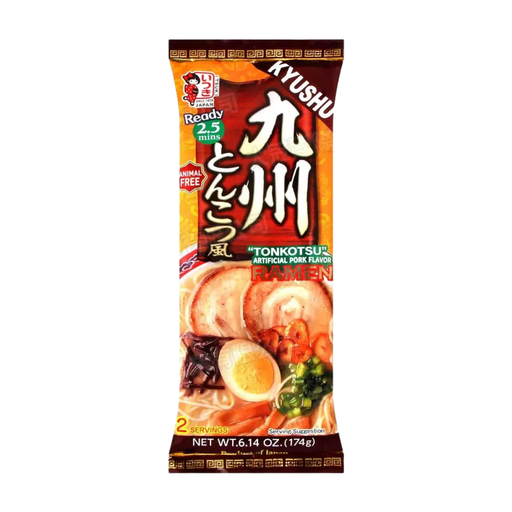
Why This Fits Their Persona: A straightforward two-portion packet format for shoppers trying Japanese pork bone ramen at home without committing to a large multipack.
The listing clearly separates the wavy noodles from the powdered soup base and provides a 550ml, three-minute preparation method.
Two servings, wavy wheat noodles and a soup powder that can be customised with egg, spring onion, seaweed or cooked meat.
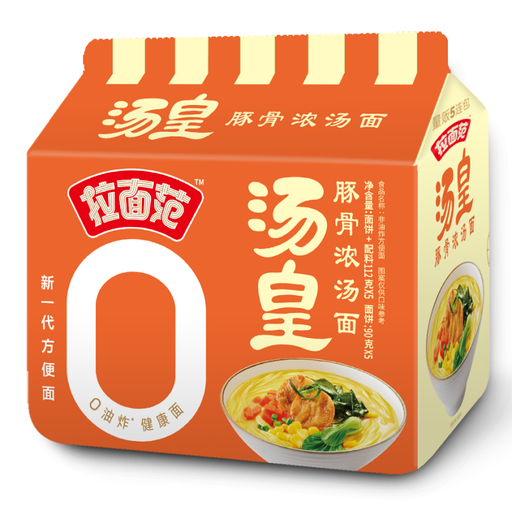
Why This Fits Their Persona: A larger packet format with multiple sachets suits ramen enthusiasts who want extra components and several servings for home meals.
The product lists separate soup, oil, vegetable and savoury slice packets, rather than presenting a simple noodle cake as a fully garnished bowl.
Five 112g packs, non-fried noodle blocks, dried vegetables and a garlic oil component for a layered bowl.
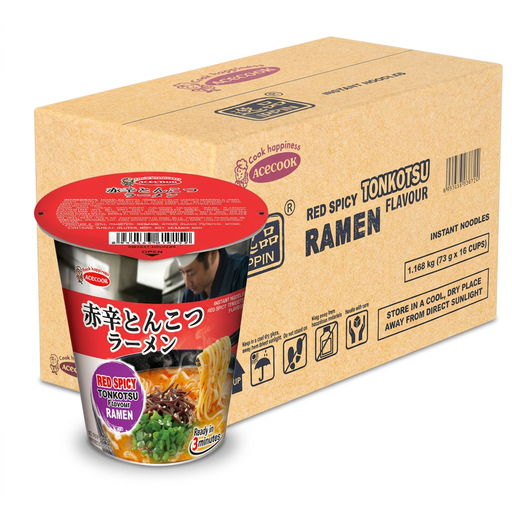
Why This Fits Their Persona: A cup format with a spicy seasoning profile works for busy UK shoppers who need a quick hot lunch with minimal washing-up.
The instructions identify the seasoning sachets, three-minute steeping time and the requirement not to microwave the cup.
Single-serve 73g cup, chilli extract, sesame oil, wood ear mushrooms and spring onion.
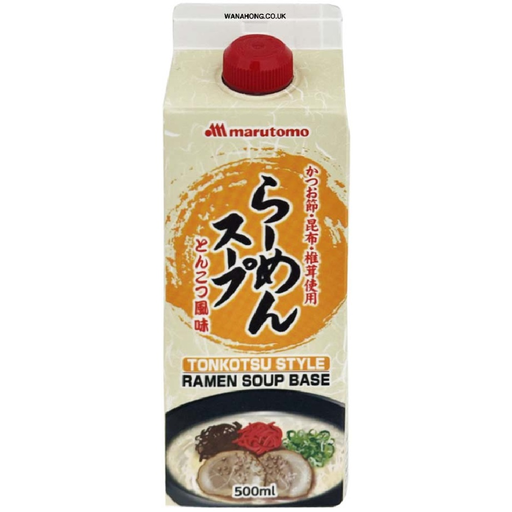
Why This Fits Their Persona: A ready-to-use liquid soup format is suitable for cooks who already have tonkotsu ramen noodles, vegetables or proteins at home.
It is clearly sold as a soup base rather than a complete ramen kit, so you can budget separately for noodles and toppings.
500ml ready-to-use format with seasonings including soy sauce, bonito, kelp, garlic and shiitake.
We have compiled a complete, real-time list of products that fully satisfy these strict selection criteria and UK safety regulations.
Instant ramen can be adapted without adding much preparation time. Try:
Keep additions separate when comparing products, as toppings can change the overall cost and nutritional profile.
No. Tonkotsu traditionally refers to a pork-bone broth style, but instant products may use pork-style flavouring, chicken-style seasoning, fish ingredients or plant-derived umami ingredients. Check the product’s current ingredients and allergen declaration.
Many cups and packets require approximately three minutes after adding boiling water. Some packet noodles need saucepan cooking or around 550ml of water. Follow the instructions on the specific packaging, especially when soup and oil sachets are added at different stages.
A multipack may offer a lower cost per serving, but this depends on the listed price, portion weight and delivery charges. Cups can be more practical when you value portability and minimal washing-up, while packets are often more flexible for family meals and added toppings.