
24/7 Customer Support

Free returns

Same-day & Next-day Delivery

Quality Guaranteed

Unlock Your Welcome Offers: FREE Delivery | Up to 80% OFF | Free 30-day JoyPlus trial
Download the APP
Japanese tonkotsu ramen is known for its creamy-style pork bone broth, springy Japanese ramen noodles and savoury depth. For UK shoppers, the range now includes instant tonkotsu ramen, frozen tonkotsu ramen, ramen cups and ramen multipacks, making it easier to enjoy a quick Japanese meal at home.
However, packaging can make different products appear more similar than they are. Before choosing, check the format, preparation method, portion size, storage requirements and allergen information rather than relying on phrases such as “rich”, “premium” or “restaurant-style”.
Some ambient noodles use a seasoning powder or pork-style flavouring, while frozen products may include a pork bone soup base and pork char siu. Both can be labelled as tonkotsu-style, but the eating experience and ingredient profile are different.
Check the ingredient list for:
This distinction matters if you want a fuller meal rather than a lightly topped noodle snack.
Instant noodles can be convenient, but the nutrition panel may list values per 100g rather than per bowl. For example, the Lamianfan 5-pack lists 5.2g of salt per 100g, while the 122g cup also lists 5.2g per 100g. A complete cup or packet therefore needs to be assessed using its full net weight.
Always compare:
Adding eggs, vegetables or cooked meat can make a bowl more filling, but these additions also change the overall nutritional content.
Frozen tonkotsu ramen can offer a different texture and preparation experience, but it needs continuous storage at -18°C or below. It should not be refrozen after defrosting. A 700g block also takes considerably more freezer space than a ramen cup or dry multipack.
For shared flats, student kitchens and small UK freezers, ambient Hakata ramen or Kyushu ramen may be easier to store. Check the pack size before ordering several meals.
Ramen cups and dry packets are practical for offices, university accommodation and travel. Several listed products use boiling water and require approximately three minutes of standing time. This is useful when you do not have access to a saucepan or microwave.
Frozen meals require more time but can provide a larger portion. The 700g frozen products listed here take around nine to twelve minutes in a microwave, depending on wattage, or approximately 13 to 15 minutes in a saucepan, including the loosening stage.
Follow the product instructions rather than assuming all noodles cook in the same way. Frozen ramen should be heated until the soup is fully melted and the meal is piping hot.
“Non-fried noodles” and “fried noodles” are different product characteristics, not a guarantee of overall nutritional suitability. Non-fried noodle blocks may offer a smoother, chewy texture, while fried noodles are often designed for quick rehydration.
Also look for:
If you prefer a firmer noodle, avoid leaving cup noodles covered for much longer than the stated time.
Many Japanese-style pork bone ramen products contain wheat and soya beans. Depending on the seasoning, products may also contain milk, sesame, fish or barley. Black garlic ramen and spicy tonkotsu ramen can include additional oil, chilli, sesame or garlic ingredients.
Read the packaging before purchase, particularly if you have an allergy or are buying for children. Product information can change, so the label supplied with the item should take priority over older online information.
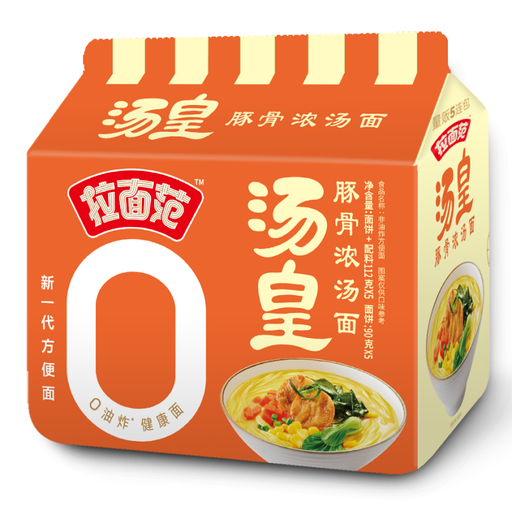
Why This Fits Their Persona: A room-temperature 5-pack suits students, couples and households wanting several quick meals without using freezer space.
The 560g net weight is clearly divided into five 112g packs, making quantity and storage straightforward to assess.
Non-fried noodle block; includes soup, oil, seasoned vegetable meat slices and dried vegetables.
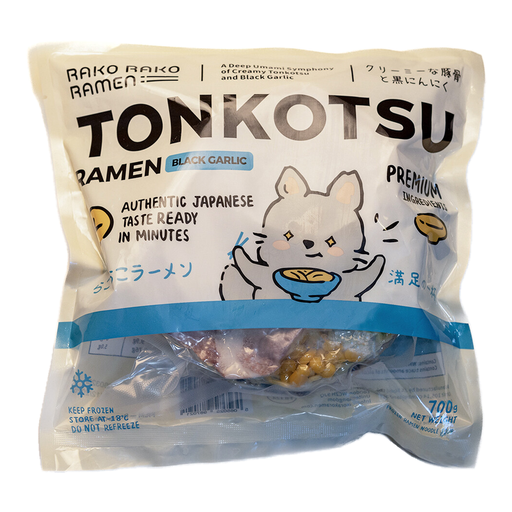
Why This Fits Their Persona: Suitable for shoppers prioritising a large frozen portion, pork char siu and a pronounced black garlic oil element.
The listing identifies a 56% tonkotsu soup base, 29% noodles, 8% pork char siu and 2.3% black garlic oil.
700g serving; microwave or saucepan preparation; no added water required.
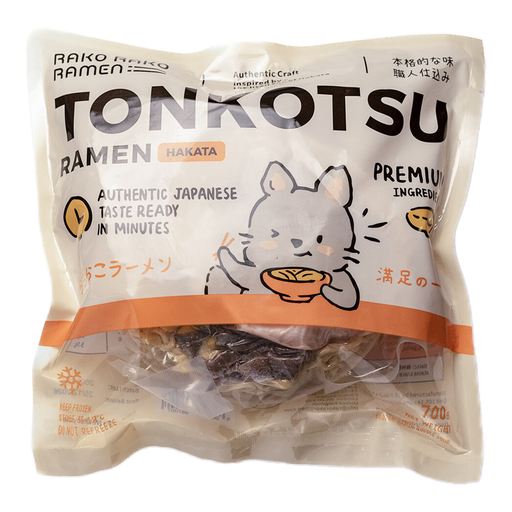
Why This Fits Their Persona: A useful choice for families or frequent ramen eaters who want a larger frozen meal with classic Hakata-style positioning.
The product specifies a 700g portion, included pork chashu and frozen storage at -18°C or below.
Includes pork bone broth, noodles, char siu, corn, wood ear mushroom and spring onion.
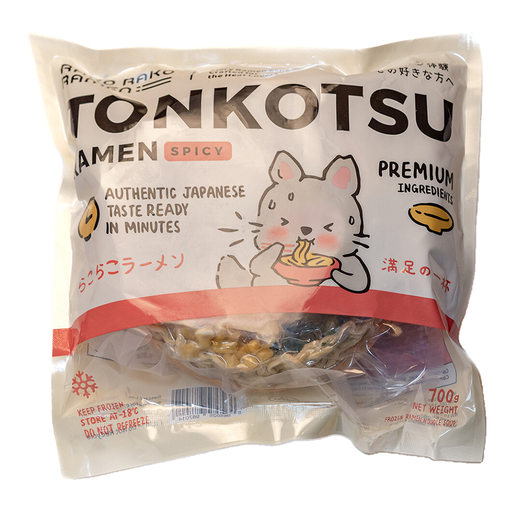
Why This Fits Their Persona: Designed for shoppers who want a larger pork bone ramen meal with chilli paste and chilli oil rather than a mild broth.
Chilli paste and chilli oil are listed separately, while the product also declares wheat, soya beans and sesame allergens.
700g portion; 56% pork bone soup base; microwave and saucepan instructions provided.
We have compiled a complete, real-time list of products that fully satisfy these strict selection criteria and UK safety regulations.
For a ramen cup, add the vegetable sachet and boiling water to the fill line, cover for three minutes, then mix in the soup sachet. Add the oil at the end if you prefer to control the richness.
For packet noodles, use the stated water quantity and cook the noodles fully before adding toppings. A soft-boiled egg, spring onion, sweetcorn, nori or cooked pork can add texture. Keep raw ingredients separate and ensure meat and eggs are properly cooked.
Frozen ramen should be heated from frozen according to the pack instructions. Stir halfway through microwave heating to distribute heat, and allow the broth to melt completely before serving.
No. Some products use pork bone ingredients, while others use pork-style flavouring or seasoning blends. Read the ingredients carefully if the source of the flavour is important to you.
It can suit shoppers who prefer a larger portion, included toppings and a ready-to-heat meal. Ambient ramen cups and multipacks are more practical where freezer capacity is limited.
Add cooked vegetables, an egg, tofu or cooked meat, depending on your dietary requirements. Remember that toppings add to the meal’s total energy, fat and salt content, so check the full ingredients and nutrition information before serving.