
24/7 Customer Support

Free returns

Same-day & Next-day Delivery

Quality Guaranteed

Unlock Your Welcome Offers: FREE Delivery | Up to 80% OFF | Free 30-day JoyPlus trial
Download the APP
Japanese udon noodles are valued for their thick shape, smooth surface and pleasantly chewy texture. They can form the base of a warming noodle soup, a quick Yaki Udon meal or a vegetable stir-fry. However, choosing the right pack in the UK is not simply a matter of picking the largest or most attractively packaged option.
The main differences are usually found in the noodle format, cooking method, seasoning and pack size. Understanding these details can help prevent wasted food, unsuitable purchases and disappointing texture.
“Udon noodles” can refer to several formats:
A product that looks convenient may still require boiling, while a cooked pack may need refrigeration after opening. Always check the preparation and storage instructions rather than relying on front-of-pack wording.
Udon is typically thicker than many other Japanese-style noodles, but texture varies according to flour, starches, stabilisers and cooking time. Some packs are soft and ready to add to a wok, while others are firmer and need longer boiling.
Overcooking can make noodles mushy, particularly with cooked or one-minute formats. Conversely, undercooking dry noodles may leave a firm centre. The stated cooking time is therefore an important practical specification.
Flavoured instant udon may include oil, soup base, soy sauce, sesame, peanut or other seasoning ingredients. These products can be useful for quick meals, but the noodle pack alone may not reflect the nutritional values of the complete prepared dish.
For UK shoppers, check the full ingredient list and bold allergen declaration. Wheat and gluten are common in udon noodles. Some flavoured products also contain soya, sesame or peanut. If you are buying for a family, student accommodation or catering kitchen, do not assume that a Japanese-style label means the product is suitable for every diner.
Choose the format that matches your routine:
Always cook noodles according to the packaging. Several products in this range state that they should not be eaten raw.
For udon noodles for stir-fry, look for noodles that can be separated easily and remain springy after heating. One-minute Japanese-style packs work well when drained thoroughly before adding to a hot wok.
For udon noodle soup, softer cooked noodles or noodles supplied with a soup sachet can be convenient. If you are making hot pot or nabe, plain noodles give you greater control over the broth and toppings.
For Yaki Udon noodles, prepare the noodles first if instructed, then combine them with vegetables, tofu, egg or another protein and a sauce. Avoid leaving them in boiling water longer than necessary.
Plain udon commonly contains wheat flour, water, salt and starch or stabilisers. Compare:
A bulk case can reduce the cost per portion, but only if you have sufficient cupboard space and a realistic plan for using it before the best-before date. Individual packs are easier to portion and store, while larger open bags may require an airtight container.
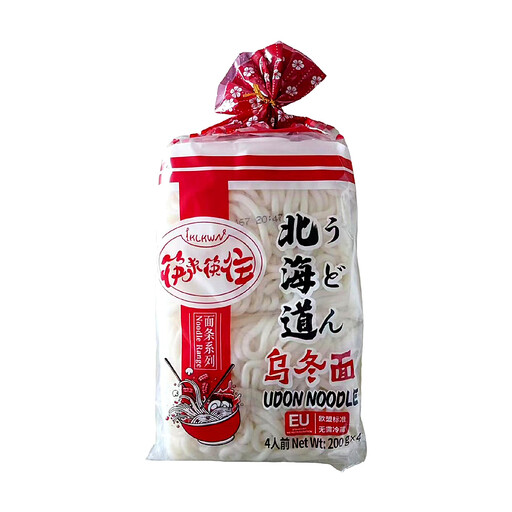
Why This Fits Their Persona: A four-pack totalling 800g gives students, couples and first-time buyers several portions without committing to a large case.
The listing clearly states that cooking is required, with a two-to-three-minute preparation time, so it is not mistaken for a ready-to-eat product.
Plain thick noodles suit soups, stir-fries and hot pots. The pack provides four 200g portions and lists wheat gluten clearly.
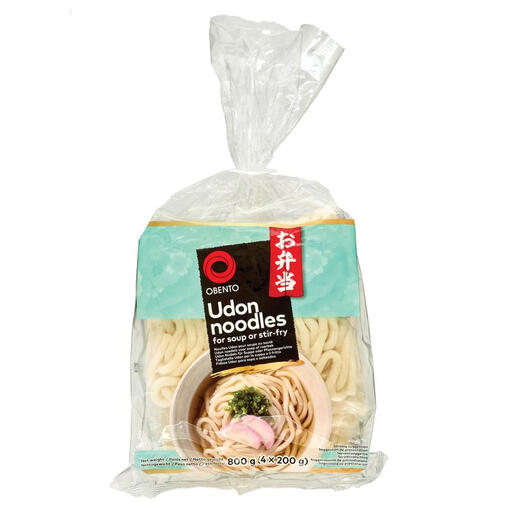
Why This Fits Their Persona: Suited to home cooks who want a plain Japanese noodle base and enjoy preparing different soups, stir-fries and cold dishes.
The product is supplied as plain noodles rather than a heavily seasoned meal kit, allowing you to control broth ingredients and toppings.
The 800g pack is designed for multiple meals, with instructions for hot and cold dishes. The listing identifies wheat and soya allergens.
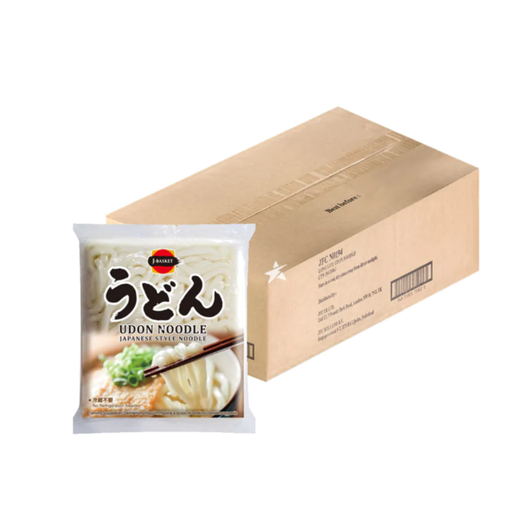
Why This Fits Their Persona: A practical option for large families, restaurants, caterers and regular meal planners who need individually portioned udon noodles.
The case quantity is stated as 30 individual 200g packs, making portion planning clearer than buying one large opened bag.
Each pack cooks in one minute and is suitable for Yaki Udon, soups and nabe. The total net quantity is 6kg.
We have compiled a complete, real-time list of products that fully satisfy these strict selection criteria and UK safety regulations.
For a meal in minutes, Miyatake Cooked Udon Noodles 5 Packs 900g can be heated in hot water or briefly boiled. Its listing states that the noodles are ready to eat and should be refrigerated after opening, then consumed within two days.
If you prefer flavoured instant udon noodles, options such as Lamianfan Udon Noodles, Tonkotsu Rich Soup, 5-Pack or Master Kong Dry Noodle Tossed In Sauce – Braised Beef Flavour include separate seasoning components. Check the salt, wheat, soya and sesame information before serving, particularly when preparing food for children or groups.
Follow the pack instructions because cooking times differ. Ready-to-cook packs may need around one minute, while dry udon can require eight to ten minutes. Drain thoroughly before stir-frying and avoid overcooking to preserve a chewy texture.
Storage depends on the product. Unopened ambient packs should be kept in a cool, dry place. Once opened, some products require refrigeration and quick consumption. Follow the packaging date and storage instructions rather than assuming all cooked udon noodles have the same lifespan.
Plain udon noodles may fit vegetarian meals, but suitability depends on the full ingredient list and manufacturing information. Flavoured soup or sauce sachets can contain meat-style flavourings or other animal-derived ingredients, so check the label before purchasing.