
24/7 Customer Support

Free returns

Same-day & Next-day Delivery

Quality Guaranteed

Unlock Your Welcome Offers: FREE Delivery | Up to 80% OFF | Free 30-day JoyPlus trial
Download the APP
Hello, I'm Joy, your Product Recommendation Officer at Joybuy. My role is to help you navigate the choices available and find products that suit your needs. When it comes to stocking your pantry, few ingredients are as essential as rice. But with so many varieties available, how do you choose the right one? If you're looking to perfect your Thai green curry or create a fragrant side dish, you've likely come across jasmine rice.
This guide is designed to demystify this popular long-grain rice. We'll explore what makes it unique, offer practical tips for selecting the right type for your kitchen and share some of our top recommendations you can buy jasmine rice online today.
Choosing the right rice can elevate a good meal to a great one. Here are a few key points to consider before you make a purchase.
Jasmine rice is a type of aromatic rice, prized for its distinct, slightly floral scent, often compared to pandan leaves. When cooked, it should be soft, moist and slightly sticky, with the grains clinging together gently. This texture makes it ideal for pairing with rich sauces and curries, as it absorbs flavour beautifully. When you see Thai jasmine rice on the label, it signifies that it originates from Thailand, the region most famous for producing this grain.
While most people are familiar with white jasmine rice, there is also a whole-grain alternative: black jasmine rice.
Jasmine rice is available in various sizes, and choosing the right one depends on your consumption habits.
Here are a few standout options available on Joybuy, selected to meet different needs, from bulk family packs to whole-grain alternatives.
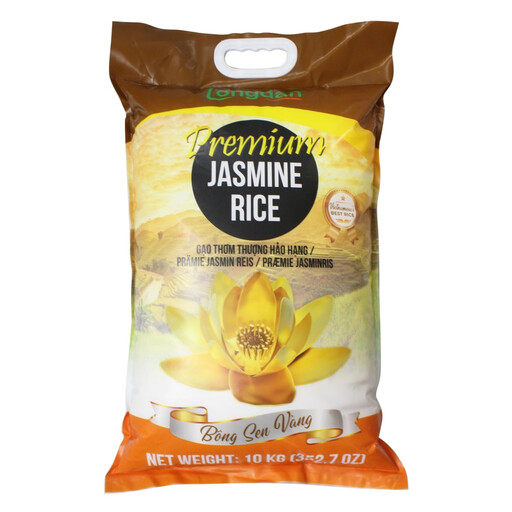
Why It Stands Out: This rice is grown in the Mekong Delta and is noted for its characteristic pandan-leaf aroma. The grains cook up to be clear white, soft and naturally sweet, delivering a consistent and authentic flavour.
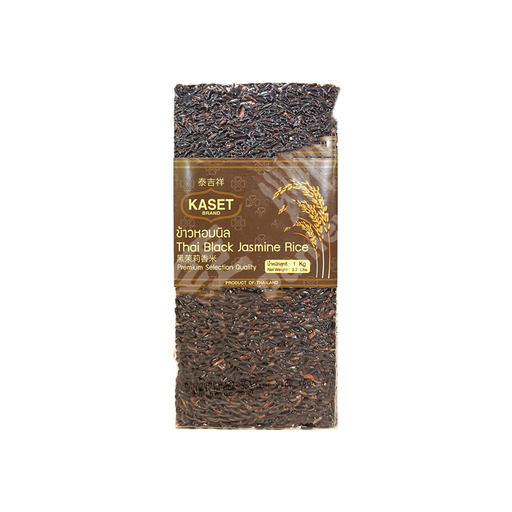
Why It Stands Out: As a whole-grain, unpolished rice, Kaset black jasmine rice retains its nutrient-rich bran layer. This gives it a higher fibre and protein content compared to its white counterpart. It has a unique nutty and earthy flavour profile and a satisfyingly chewy texture.
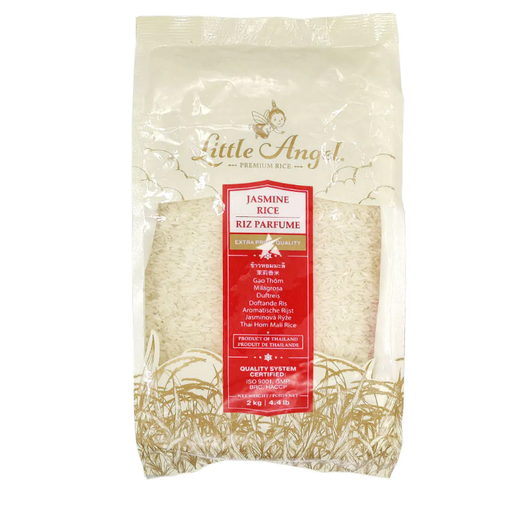
Why It Stands Out: Sourced from Thailand, this classic Thai jasmine rice is known for its delicate floral fragrance and slender, fluffy grains. It delivers the authentic, non-sticky texture that is the hallmark of high-quality jasmine rice, making it a dependable choice for a wide range of dishes.
While these are some of our top picks, we understand that every kitchen has different needs. If you'd like to explore a wider variety of grains, sizes and types, you can browse our full collection.
Explore Our Full Range of Rice & Grains Here
For fluffy, separate grains, the key is the right water ratio and rinsing.
Both are popular long-grain aromatic rices, but they have distinct differences. Jasmine rice, primarily from Thailand, has a softer, moister and slightly stickier texture when cooked, with a floral aroma. Basmati rice, from India and Pakistan, cooks up much drier and fluffier, with grains that remain separate. Its aroma is nuttier and more spiced. Jasmine is often preferred for Southeast Asian dishes, while basmati is a staple in Indian and Middle Eastern cuisine.