
24/7 Customer Support

Free returns

Same-day & Next-day Delivery

Quality Guaranteed

Unlock Your Welcome Offers: FREE Delivery | Up to 80% OFF | Free 30-day JoyPlus trial
Download the APP
The world of jasmine tea can seem vast, with options ranging from convenient bottled drinks to artisanal loose-leaf varieties. Whether you are seeking a quick, refreshing beverage or a fragrant, calming brew to unwind with, finding the right product can be a challenge. This guide is designed to help you navigate the choices, understand the key differences and find a jasmine tea that perfectly suits your taste and lifestyle.
As the Joybuy Product Recommendation Officer, my role is to provide clear, practical information to help you make informed decisions without the marketing jargon. Let's explore what makes a great jasmine tea and look at some standout options available in the UK.
Before we look at specific products, here are a few key points to consider when making your selection. Understanding these will help you better appreciate the nuances of this classic beverage.
The way jasmine tea is packaged significantly impacts its convenience and the brewing experience.
Most jasmine tea uses green tea as its base, which is why you will often see it labelled as jasmine green tea. The light, slightly grassy character of green tea provides a perfect backdrop for the floral aroma of jasmine. However, some premium versions may use white tea, which offers an even more delicate and smooth profile. The quality of the base tea is just as important as the jasmine scenting process itself.
Authentic Chinese jasmine tea is created through a meticulous, traditional process. Tea leaves are harvested in the spring and stored until the summer when jasmine flowers are in full bloom. The leaves are then layered with fresh, night-blooming jasmine blossoms, which open and release their fragrance. This process can be repeated multiple times to achieve a deeply fragrant jasmine tea. This natural scenting is what distinguishes high-quality jasmine tea from those that use artificial flavourings.
Based on format, flavour profile and overall user experience, here are our recommendations for you to consider.
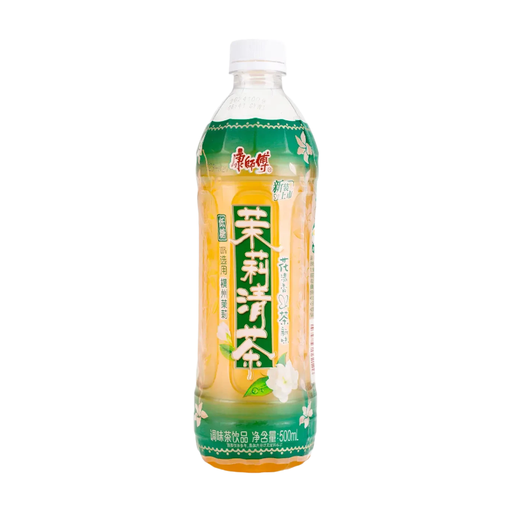
Why It Stands Out: Master Kong is a widely recognised brand, and this bottled jasmine tea delivers a consistent and accessible flavour. It balances the floral notes of jasmine with a clean green tea base and a light sweetness, making it an excellent introduction to the world of jasmine tea.
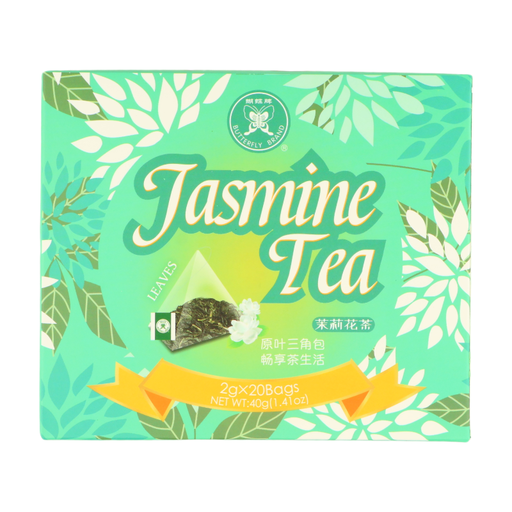
Why It Stands Out: These jasmine tea bags from Butterfly offer a significant step up from standard paper bags. The triangular shape allows the green tea leaves and jasmine flower pieces to infuse more effectively, releasing a fuller aroma and a smoother flavour. The ingredients are simple and clear: 99% green tea and 1% jasmine flowers.
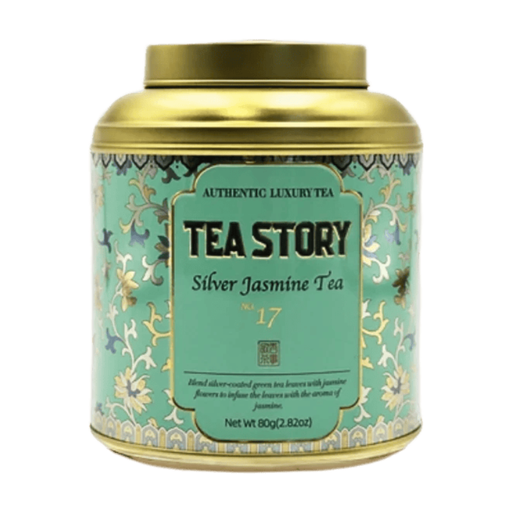
Why It Stands Out: This loose leaf jasmine tea is crafted for those who savour the art of tea making. It uses a delicate white tea base scented with night-blooming jasmine flowers, resulting in an elegant and soothing brew. The loose-leaf format allows you to appreciate the appearance of the leaves and control the infusion for a personalised cup every time.
The world of jasmine tea is rich and varied. If these selections aren't quite what you're looking for, or if you're curious to explore further, we invite you to browse our full collection. Discover a wider range of premium jasmine tea to find your perfect match.
Explore the full jasmine tea collection at Joybuy
Jasmine tea is a general term for any tea that has been scented with jasmine blossoms. Jasmine green tea is the most common variety, where green tea leaves are used as the base. Because of its popularity, the terms are often used interchangeably. However, other tea bases like white, oolong or even black tea can also be used to make jasmine tea.
To preserve its delicate aroma, you should store jasmine tea in an airtight container in a cool, dark and dry place. Keep it away from direct sunlight and strong odours from things like coffee, spices or cleaning products, as the tea leaves can easily absorb surrounding smells.
Yes, because jasmine tea is made from the leaves of the Camellia sinensis plant, it naturally contains caffeine. The exact amount can vary depending on the type of tea base (green tea generally has less caffeine than black tea), the amount of tea used and how long you brew it.