Privacy-first bedroom listeners
You want to enjoy jazz without making someone else listen along. A closed design and model-specific sound-leakage testing matter more to you than freedom to move around the room.


Start with closed-back over-ear headphones if keeping jazz listening private is the priority in a shared bedroom. A wired model suits listening mainly in one place when your source is compatible; wireless active noise cancellation (ANC) offers more freedom of movement and can reduce incoming room noise, but requires charging and does not establish how much music a roommate will hear.
You want to enjoy jazz without making someone else listen along. A closed design and model-specific sound-leakage testing matter more to you than freedom to move around the room.
You listen attentively from a desk, computer or hi-fi source and want to assess how a closed-back model presents the instruments and space in your recordings. Check the connection and fit as well as the maker's description of its sound.
You change position or switch between a phone and laptop, and incoming household noise interrupts your listening. Wireless ANC may suit that routine if you are willing to charge the headphones and check which connection modes you need.
Choose the listening route before comparing features: a wired closed-back model fits a mostly stationary setup, while wireless ANC addresses movement and incoming noise. Neither route removes the need to check sound leakage separately.
Consider it when: You usually listen at a desk or beside a compatible hi-fi source and want to make privacy a first filter.
Trade-off: The cable limits movement; check the plug and whether your intended source can drive the particular headphones satisfactorily.
Consider it when: You move around, switch devices or want to reduce noise reaching you from the room.
Trade-off: You must manage charging, and ANC performance alone does not tell you whether a roommate can hear your music.
| Concern | What to check | Who this matters to |
|---|---|---|
| Privacy and room noise | Look for a closed-back design and model-specific leakage results; assess incoming-noise reduction separately. | When someone else shares the room, I want to keep my music to myself without letting household sounds dominate it. Around 42% of consumers put privacy and isolation first. |
| Recording detail | Assess the exact model's sound presentation and fit, then confirm that its wired connection suits your source. | For attentive listening at a desk, I want to hear the instruments and sense of space in my jazz recordings while still using a private listening setup. Roughly 33% of consumers prioritise recording detail. |
| Wireless flexibility | Check device switching and the connections you will use, plus battery life in your intended listening mode. | If I move around or switch between my phone and laptop, managing a cable matters more than keeping one fixed listening position. About 25% of consumers put wireless flexibility first. |
An open-back presentation may appeal for other listening situations, but it should not be assumed suitable when someone else shares the bedroom. Sennheiser positions its closed-back HD 620 S specifically around secluded listening.
Make privacy your first filter, then check the exact model's fit and independent sound-leakage results where available.
ANC addresses noise reaching the listener; music escaping the earcups is a different question. Which? evaluates noise cancellation and sound leakage separately in its headphone testing.
Use ANC to assess incoming distractions, and look for leakage results before relying on a model for shared-room privacy.
A headphone's sound and comfort need to suit the person wearing it for a full listening session. Which? assesses sound quality in listening tests rather than treating a model's positioning as a substitute for results.
Compare testing of the exact model and check its fit before deciding which traits matter most for your albums.
Louder and longer listening increases hearing risk. The World Health Organization advises setting device volume to no more than 60% of maximum.
Set a moderate level, use fit or ANC to manage distractions where helpful, and take breaks during long sessions.
The wired HD 620 S is a closed-back option to examine for private listening from a compatible source.
The WH-1000XM6 is a wireless, closed over-ear ANC option for listeners who also want to switch between devices.
The QuietComfort Ultra Headphones (2nd Gen) offer a wireless ANC route with analogue and USB audio options.
These models offer wired or wireless ways to listen to jazz in a shared bedroom. Compare the exact model's fit and sound leakage before treating any of them as suitable when someone else is in the room.
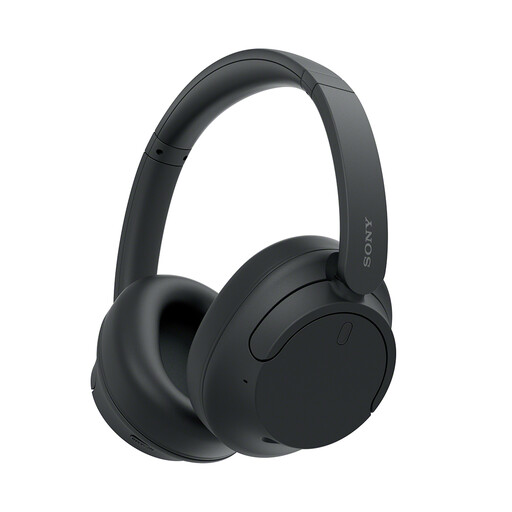 Image unavailable
Consider this over-ear model if incoming room noise interrupts your listening. Its noise-cancelling description does not establish how much music reaches a roommate; check leakage results and fit.
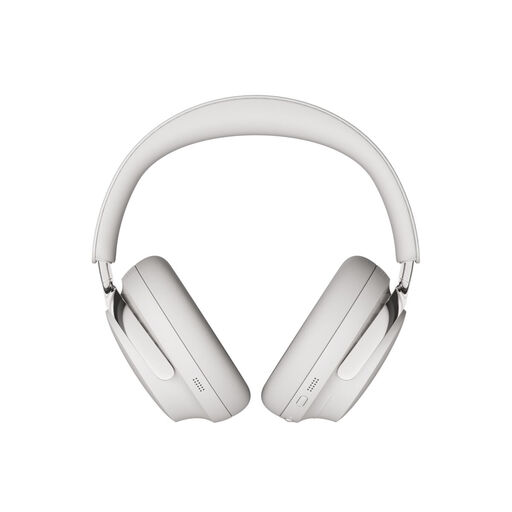 Image unavailable
This wireless, noise-cancelling variant is worth comparing if you want to change listening positions or devices. Check the connections needed for your own setup, as well as fit and sound leakage.
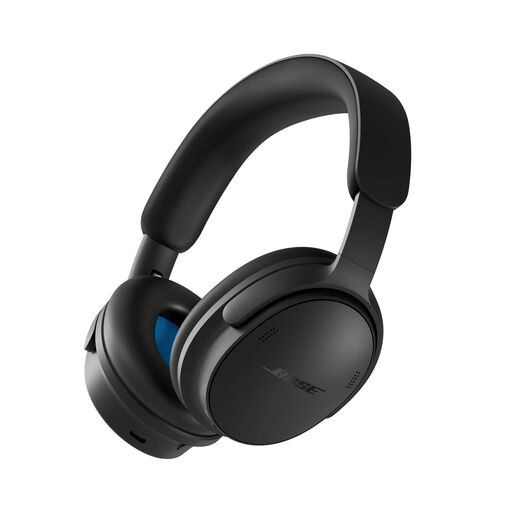 Image unavailable
Consider this variant if you want to compare listening modes for a room with intermittent noise. Confirm the connections you need, then check comfort and leakage for the exact model.
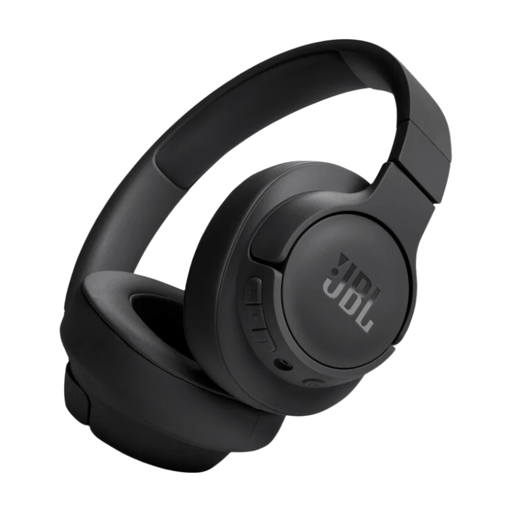 Image unavailable
This wireless over-ear model is a route to consider if moving without a cable matters to you. Check its fit and sound leakage before relying on it for private listening.
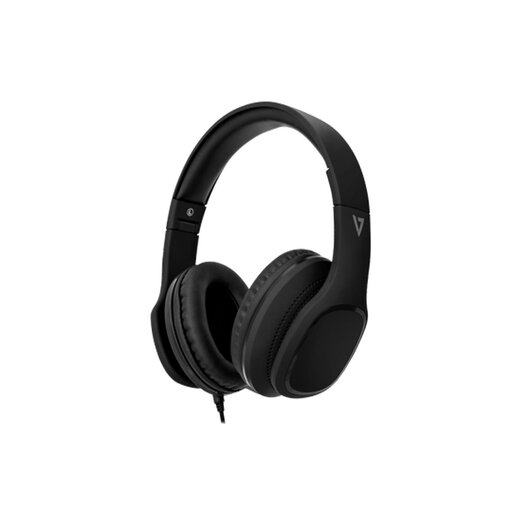 Image unavailable
A wired option to consider for listening mainly in one place. The title specifies 40 mm drivers and an inline MEMS microphone; check the plug against your source, and assess fit and leakage separately.
Choose a closed-back or well-sealed design first if keeping your music private is essential. Check sound-leakage results for the exact model: construction is a useful starting point, not a guarantee that another person will hear nothing.
Choose wired closed-back headphones for a mostly stationary setup with a compatible source; consider wireless ANC if movement, device switching or incoming room noise matters more. Compare the particular models' fit and leakage regardless of route.
Check the exact model's Bluetooth and device-switching functions, then confirm any cable or USB audio connection you intend to use. Sony lists multipoint and a detachable stereo-mini cable for the WH-1000XM6; Bose lists an included 3.5 mm-to-2.5 mm cable and USB audio for the QuietComfort Ultra Headphones (2nd Gen).
Improve the fit and use noise cancellation where helpful rather than relying on a louder setting to overcome room noise. The World Health Organization advises keeping device volume at no more than 60% of maximum and notes that hearing risk rises with louder, longer exposure.