
24/7 Customer Support

Free returns

Same-day & Next-day Delivery

Quality Guaranteed

Unlock Your Welcome Offers: FREE Delivery | Up to 80% OFF | Free 30-day JoyPlus trial
Download the APP
From the wobbly pots of our childhood to the chewy fruit snacks and trendy Asian jellies filling shop shelves today, the world of jelly snacks is more diverse than ever. But with so much choice comes confusion. It’s easy to end up with a snack that’s not what you expected, whether it's a texture that doesn't appeal or a "fruity" treat that's mostly sugar and artificial flavourings.
As the Joybuy Product Recommendation Officer, my role is to help you navigate the options and find the right product for your needs. Before you add anything to your basket, let’s look at a few common pitfalls that can lead to a disappointing purchase.
To avoid these issues, it pays to look past the marketing and check a couple of key details on the packaging. This will ensure you get the flavour, texture and convenience you’re looking for.
The ingredient that turns liquid into jelly is the single most important factor in determining its final texture. Understanding the main types will help you find your perfect match.
If you're after an authentic fruity taste, the ingredients list is your best friend. Look for terms like "fruit puree," "fruit juice from concentrate" or "fruit pieces" listed near the top. The higher up the list, the more of it the product contains. Products that only list "flavourings" without mentioning real fruit will likely have a more artificial, candy-like taste. This is a crucial check for anyone looking for chewy fruit snacks for their family.
Finally, consider how and when you’ll be eating the snack.
To help you choose, we’ve matched some popular options to different needs and preferences.
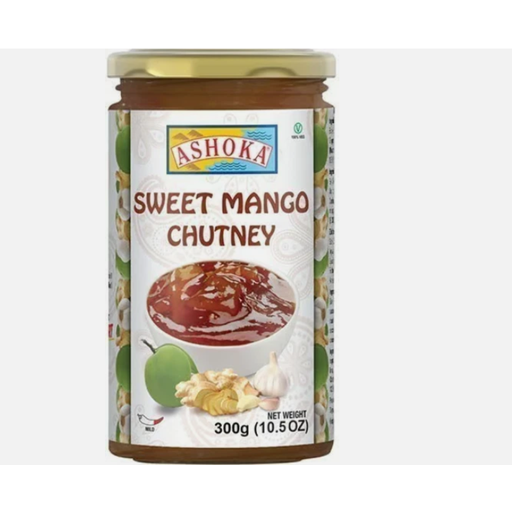
Why This Fits Their Persona: Perfect for young adults and foodies keen to explore popular Asian jelly snacks. The unique, firm chew of konjac is a world away from traditional jelly, offering a novel snacking experience. The convenient pouch is ideal for a treat on the go.
This product directly addresses the texture mismatch. It is clearly marketed as a konjac jelly, setting the expectation for a firm, chewy snack rather than a soft, wobbly one.
Made with real grape and apple juice for an authentic fruit flavour. The low-calorie nature and portion-controlled pouches appeal to health-conscious snackers.
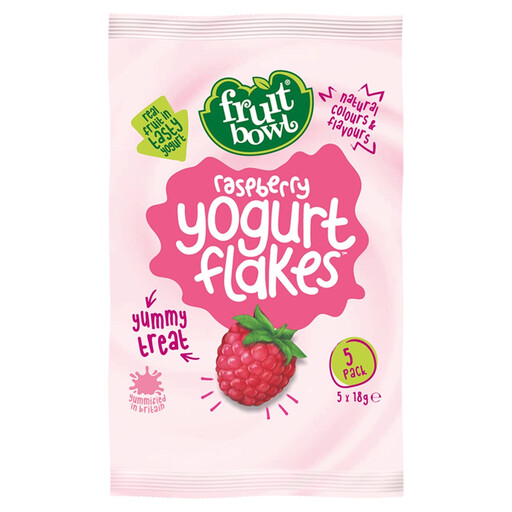
Why This Fits Their Persona: These chewy fruit snacks are portioned into individual bags, making them a convenient, mess-free addition to a child's lunchbox or a handy snack for days out. The fun format is appealing to children.
This product avoids the "fruit flavour" trap. The ingredients list specifies that the flakes are made from concentrated apple and raspberry puree, ensuring the flavour comes from real fruit sources.
The combination of chewy fruit flakes and a creamy yoghurt-flavoured coating offers a pleasing texture contrast. They are made without artificial colours or flavours.

Why This Fits Their Persona: This is not a standalone snack but a versatile ingredient for foodies and home cooks. It's perfect for adding a delightful chewy texture to homemade fruit salads, puddings, ice cream or Asian-style drinks like bubble tea.
This product's purpose is clear, avoiding the format trap. It is sold as an ingredient, giving the user complete control over the final dessert and preventing any mismatch in expectation.
Made from fermented coconut water, it offers a unique, satisfyingly chewy texture. It is fat-free and cholesterol-free, adding texture without heaviness.
We have compiled a complete, real-time list of products that fully satisfy these strict selection criteria and UK safety regulations.
Yes, it is very different. Regular jelly, often made with gelatine, is soft and wobbly. Konjac jelly is made from the flour of the konjac plant (a type of yam) and has a very firm, springy and chewy texture. It's popular in Japan and other parts of Asia. Due to its firmness, it can be a choking hazard, and packaging usually carries a warning, especially for young children and the elderly.
This depends entirely on the specific product. Many traditional jelly sweets and pots can be high in sugar. However, other options like chewy fruit snacks made from fruit puree can be a more balanced choice. The best approach is to check the nutritional information for sugar content and read the ingredients list to see if it's made with real fruit. Portion-controlled pouches or packs are also a good way to manage treat sizes.
Nata de coco (or coconut gel) is a chewy, translucent food product made by fermenting coconut water. It's not a jelly in itself but is often used as an ingredient within jellies and other desserts. To use it, simply drain the syrup it's packed in and add the cubes to fruit salads, yoghurts, ice cream or chilled drinks like bubble tea for a fun, chewy texture.