Parents planning an occasional treat
Compare the amount a child will eat with the pack’s sugar information, particularly when buying a sharing bag rather than a defined portion.


For an occasional after-school treat at home, choose jelly sweets by the portion you intend to serve and the exact pack’s sugar and ingredient information, rather than making them the default snack. A dark colour does not establish cocoa content or lower sugar; if food is being supplied by a school or club, check the rules and policy that apply to that setting separately.
Compare the amount a child will eat with the pack’s sugar information, particularly when buying a sharing bag rather than a defined portion.
Look for suitability information on the exact sweet and check its ingredients and nutrition separately. A dietary suitability statement does not describe its sugar content.
Check the setting’s food policy and the requirements in its UK nation before selecting food to supply. The Department for Education says food and drink provided in state schools in England must meet England’s national school food standards; that statement does not establish the rules for every club or home-packed snack.
Decide whether the sweets are for an occasional home treat or food supplied by an organisation, then compare the portion and exact product label.
| Priority | What to check | Your needs |
|---|---|---|
| Sugar and portion | Compare sugars per stated serving and per 100g. Check how many sweets the serving contains and decide the amount before opening a sharing bag. | I’m choosing an occasional treat and want to know how much sugar the portion contributes. Nestlé Confectionery lists 7.6g sugars per seven Rowntree’s Jelly Tots and 59.0g per 100g for the 42g product. |
| After-school routine | Decide whether this purchase is for a particular treat occasion or a snack needed regularly; choose a pack format that matches that plan. | If an after-school snack is needed most days, I don’t want a bag of sweets to become the automatic choice. |
| Dark colour and cocoa | Read the ingredient list if cocoa matters to you; use the nutrition panel, not colour or flavour wording, to compare sugar. | I’m looking at a dark-coloured sweet, but I need to check the actual ingredients rather than assume it contains cocoa. |
| Dietary suitability | Check the exact product’s vegan or vegetarian statement, ingredients and any precautionary allergen information. Compare sugar as a separate step. | Our household needs a suitable sweet, and an allergy-sensitive child also needs the current pack label checked. |
| School or club supply | Check who supplies the food, the setting’s current policy and the requirements applicable in its UK nation. | I’m arranging food for a school or club, so a retail product listing alone cannot settle whether it can be supplied there. |
A dark colour or flavour name does not tell you whether a jelly sweet contains cocoa or how much sugar it has. HARIBO’s Jelly Beans ingredient information lists fruit and plant concentrates and reports 66g sugars per 100g.
If cocoa is important, check the exact ingredient list. Compare sugar using the nutrition panel rather than the sweet’s colour.
The amount eaten can differ from the serving used on the nutrition panel. For context, Nestlé Confectionery lists 7.6g sugars per seven Rowntree’s Jelly Tots; the NHS gives a recommended daily maximum of 24g sugar for children aged 7 to 10.
Check the serving information and decide how many sweets to offer before opening the bag.
Dietary suitability and nutrition answer different questions. Nestlé Confectionery describes its 42g Jelly Tots as suitable for vegans and vegetarians and lists 59.0g sugars per 100g; HARIBO describes Jelly Beans as vegan-suitable and lists 66g sugars per 100g.
Check the dietary statement first if it applies to you, then compare the exact packs’ nutrition and allergen information.
The Department for Education’s school food guidance concerns state schools in England. Its proposed changes for September 2027 are subject to Parliamentary approval, so they should not be treated as current requirements or assumed to govern every UK club or home-packed snack.
For food supplied by a school or club, ask the setting about its current policy and check the requirements that apply where it operates.
The 42g Jelly Tots pack is one product to examine when a defined serving and vegan or vegetarian suitability matter.
Haribo Jelly Beans are a fruit-flavoured option with a product-specific vegan suitability statement.
Tesco’s jelly and chewy sweets category provides a way to compare formats, including fruit jellies, jelly beans and jelly babies.
The retailer describes fruit jelly sweets and selected vegan-friendly jelly candy in its range.
These options include jelly, gummy and chewy sweets for an occasional treat at home. Their formats and ingredient considerations differ, so check the exact pack before choosing a portion for a child.
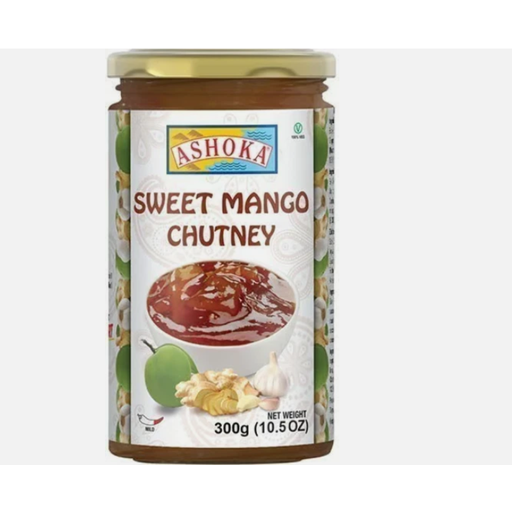 No image available
The six-pouch format offers a way to plan an occasional home portion. Check the exact pack for sugars per pouch; the product information says it is not suitable for children under 4 and recommends supervision for older children.
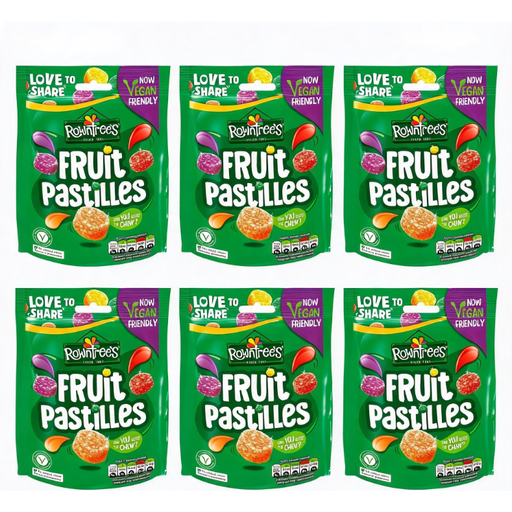 No image available
These vegan-labelled chewy sweets come as a multipack of sharing bags, so decide the portion separately from the bag size. Check the current ingredient and allergen label; the product information warns that the small sweets are not suitable for children under 4 because of choking risk.
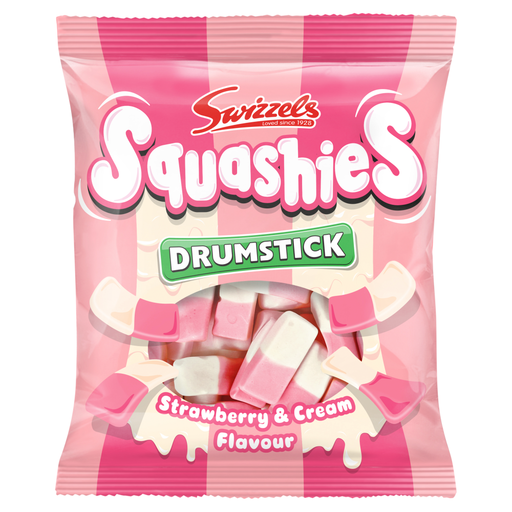 No image available
This is a bag of soft, chewy sweets rather than an individually portioned jelly. Decide the serving before sharing it; the listed ingredients include gelatine, so it is not a choice for someone requiring vegan ingredients.
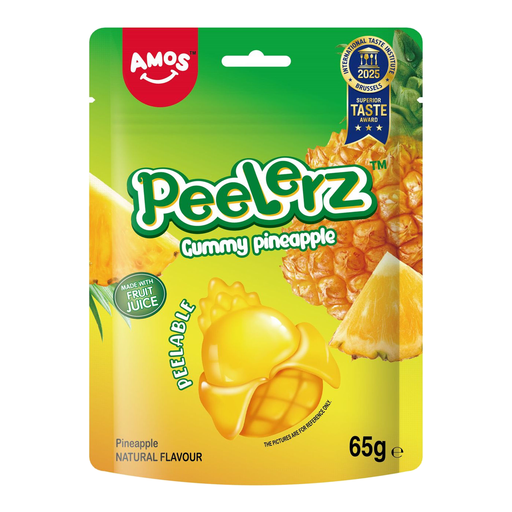 No image available
This pineapple-flavoured gummy comes in a 65g bag; check the label and decide how much to serve. Its listed ingredients include pork gelatine, and the product information says children should be at least 4, able to chew and swallow, and seated and supervised while eating.
 No image available
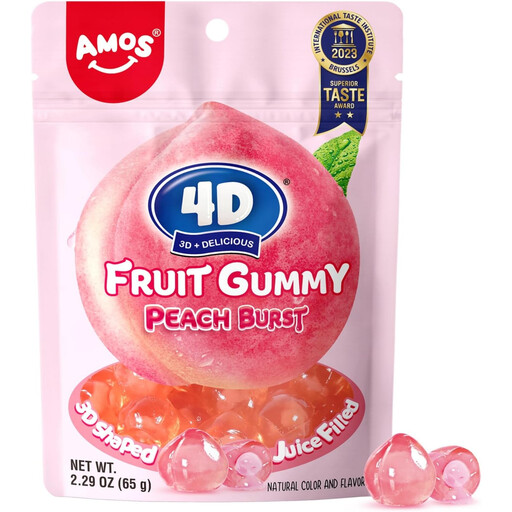
For an occasional peach-flavoured gummy treat, decide the portion from the 65g bag and check the current label. The listed ingredients include gelatine, the product information notes possible soy and dairy traces, and it says the sweets are not suitable for children under 4 and calls for supervision while eating.
Treat them as an occasional sweet rather than the automatic everyday choice. Check the portion and the rest of the day’s food and drinks: the NHS gives recommended daily sugar maximums of 19g for ages 4 to 6, 24g for ages 7 to 10 and 30g for ages 11 and over.
Colour alone cannot establish either point. Check the exact product’s ingredients for cocoa and compare sugars on its nutrition panel; HARIBO’s Jelly Beans ingredient information, for example, lists fruit and plant concentrates rather than cocoa.
It answers a dietary suitability question for the named product, not a sugar or allergen question. Nestlé Confectionery states that its 42g Rowntree’s Jelly Tots are suitable for vegans and vegetarians, while HARIBO states that its Jelly Beans are suitable for vegans; check the current pack’s nutrition, ingredients and allergen information separately.
A shop listing cannot establish that a sweet meets a setting’s food requirements. The Department for Education says food and drink provided in state schools in England must meet England’s national school food standards; its proposed changes for September 2027 remain subject to Parliamentary approval. Ask the school or club about its current policy and check the rules applicable to that setting and UK nation, rather than applying the England guidance to every club or home-packed snack.
Read the exact pack’s ingredients and any precautionary allergen statement each time you buy. The Food Standards Agency explains that precautionary allergen labelling communicates a possible unintended presence of one or more of the 14 regulated allergens.