Who is each format for?
How you plan to serve the sweets determines whether an individual pack or a sharing bag makes more sense.
Hosts preparing a treat for each guest
Small packs suit place settings or party bags when every guest should receive their own sweets. Nestlé Confectionery describes its 42g Rowntree’s Jelly Tots bag as an individual bag; Tesco lists Haribo Mega Roulette in a 45g pack.
Hosts with vegan or vegetarian guests
Check the exact product rather than assuming all fruit-flavoured sweets use the same ingredients. Nestlé Confectionery states that its core Jelly Tots contain no gelatine, while Tesco lists gelatine in Haribo Mega Roulette.
Hosts putting sweets on a shared table
A sharing bag matches a communal dish more closely than one small personal pack. Sainsbury’s describes the 150g Rowntree’s Jelly Tots bag as a sharing format and lists approximately seven servings.
What should you check before buying?
Decide how guests will receive the sweets, then check the pack’s ingredients, allergy information and nutrition panel for that serving plan.
| Priority |
What to check |
Your needs |
| Serving format |
Check whether the pack is intended as an individual treat or for sharing. Count the guests who will receive a personal pack; for a bowl, check the sharing bag’s stated servings rather than treating its weight as a serving count. |
I want everyone to have their own pack at a place setting, or I need enough sweets to put out in a shared dish. Sainsbury’s lists approximately seven servings for its 150g Rowntree’s Jelly Tots sharing bag. |
| Ingredients and allergens |
Read the current ingredients and allergy statement for the exact variety. Tesco lists gelatine and a possible milk and wheat trace warning for Haribo Mega Roulette; M&S labels its 100g Percy Pig product vegan and vegetarian but says it is not suitable for people with a milk allergy. |
Some guests avoid gelatine, while others need specific allergy information. A vegan label alone would not answer my milk-allergy question. |
| Sugar and portions |
Compare nutrition figures on the same basis, such as per 100g, and read the stated serving size separately. Sainsbury’s lists 11g sugars per 11-sweets serving for its 150g Jelly Tots sharing bag. |
For a communal bowl, I need to decide how much to put out; fruit flavour or ingredient claims do not tell me the sugar content of a serving. |
Relevant brand references
These examples illustrate differences between particular packs, not a suitability claim for every product from each brand.
Rowntree’s
Jelly Tots provides an individual 42g bag and a 150g sharing bag for two different serving plans.
- Nestlé Confectionery states that the core Jelly Tots range uses no gelatine and has ingredients suitable for vegans and vegetarians.
- Check the current label of the particular pack, including its allergy information, before serving it to guests with dietary requirements.
Haribo
Tesco lists Mega Roulette as a 45g pack of fruit-flavoured gums, a format to consider for individual treats.
- The listed 45g pack gives hosts a defined pack to allocate to one guest.
- Tesco lists gelatine in its ingredients and says it may contain traces of milk and wheat.
M&S
M&S describes its 100g Percy Pig product as vegan and vegetarian.
- Its stated vegan and vegetarian status offers a starting point when checking options for those requirements.
- M&S also says the product is not suitable for people with a milk allergy; dietary labels and allergy suitability must be checked separately.
Joybuy product options
These options include smaller packs for individual treats and larger packs to serve from a shared dish. Match the format to your guest count, then check the exact pack for dietary and allergy information.
 No image available
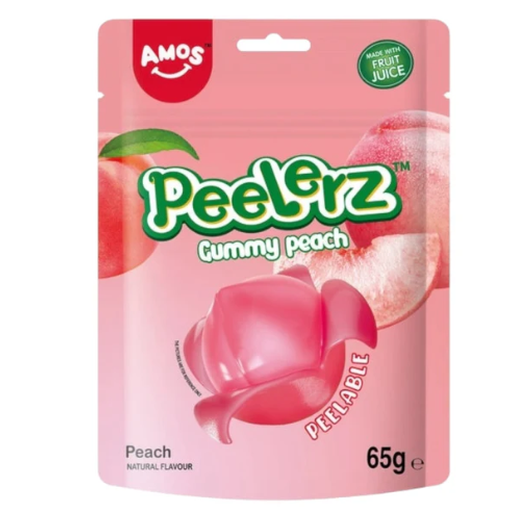
Amos Peelerz Gummy Peach 65g
The 65g pack is an option when you plan to give each guest their own sweet treat. Check its current ingredients and allergy statement before allocating it to anyone with dietary requirements.
View on Joybuy
 No image available
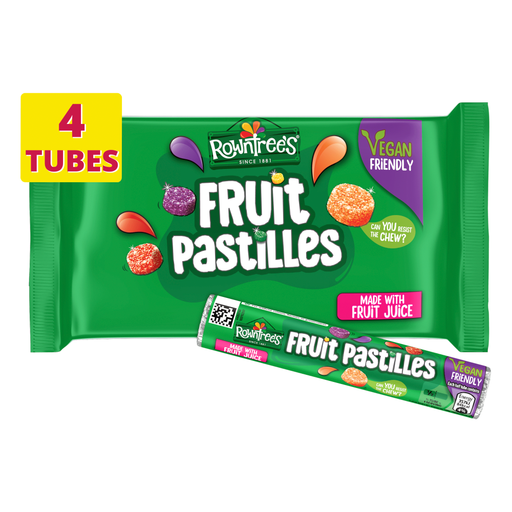
Rowntree’s Fruit Pastilles 4 × 41g
Four 41g portions suit a plan to distribute sweets individually. Check the exact pack’s ingredients, allergy warnings and serving information; do not assume guidance for Jelly Tots applies to Fruit Pastilles.
View on Joybuy
 No image available
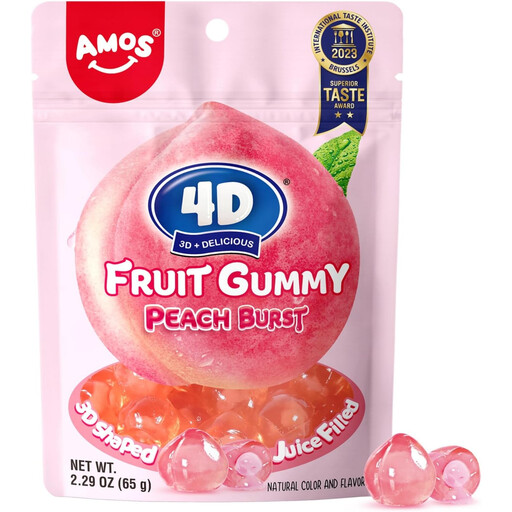
Amos 4D Fruit Gummy Peach Burst 65g
This 65g option fits a one-pack-per-guest serving plan. Check the current pack for gelatine and allergy information, particularly if guests avoid animal-derived ingredients or have allergies.
View on Joybuy
 No image available
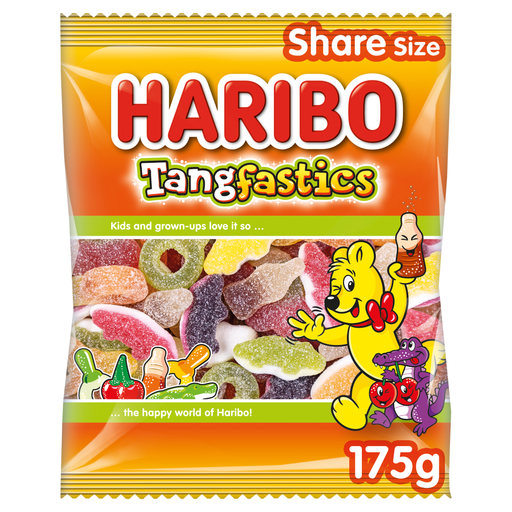
Haribo Tangfastics Fruit & Cola Fizzy Sharing Bag 175g
The 175g sharing-bag format suits sweets set out for guests to serve themselves, rather than one sealed pack per person. Check the exact pack’s ingredients and allergy statement before putting it on the table.
View on Joybuy
 No image available
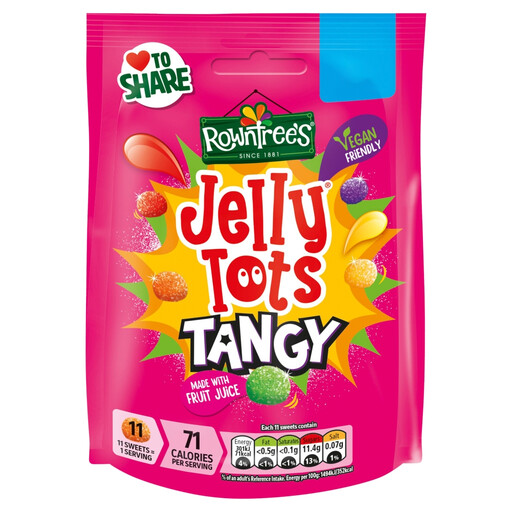
Rowntree’s Jelly Tots Tangy 140g
The 140g pack is an option for sweets served from a shared dish, not a substitute for separate guest packs. Check the Tangy variety’s current label for dietary suitability, allergens and portion information.
View on Joybuy
Questions about serving jelly sweets
Is one small pack enough for an afternoon tea party?
One small pack works as a treat for one guest, not as the plan for a shared sweets dish. Buy a pack for each intended recipient, or use a sharing format; Sainsbury’s lists approximately seven servings for its 150g Rowntree’s Jelly Tots sharing bag.
Are jelly sweets always vegetarian or vegan?
No: Tesco lists gelatine in Haribo Mega Roulette, whereas Nestlé Confectionery states that its core Jelly Tots range uses no gelatine and has ingredients suitable for vegans and vegetarians. Check the current label of the exact variety you intend to serve.
Does a vegan label mean a sweet suits someone with a milk allergy?
No. M&S describes its 100g Percy Pig product as vegan and vegetarian but says it is not suitable for people with a milk allergy. Read the exact pack’s allergy statement rather than using vegan status as a substitute.
Do England’s HFSS retail rules prohibit sweets at a private afternoon tea?
The Department of Health and Social Care’s England guidance concerns promotion and placement of certain HFSS products by businesses operating in and selling to England; it does not set out a ban on serving sweets at a private party. Food provided in an England school setting raises a separate school-food question.
What if the afternoon tea is organised by a school?
If food is being provided to pupils at a state-funded school in England, ask the school to check the current requirements covered by Department for Education school-food guidance rather than relying on retail HFSS promotion rules. That England guidance should not be treated as the rule for schools in Scotland, Wales or Northern Ireland.


