A small pack of jelly sweets can be a convenient occasional treat before training, but it is not a complete fuelling plan or a proven performance product. If you want a defined amount, compare pack sizes rather than assuming a sharing bag is one portion; check the current sugar information, ingredients and dietary label for the exact sweets you choose.
Who might choose a small jelly-sweet treat?
Gym-goers wanting something compact
A portable sweet may appeal before a session, but the UK Sports Institute describes exercise fuelling as individualised. Consider what and when you are eating across the day rather than treating jelly sweets as a complete plan.
Shoppers who want a defined amount
A pack with a stated weight makes it easier to decide how much to take than an open sharing bag. Check whether the weight describes one pouch, one bag or a multipack.
Vegan or gelatine-avoiding shoppers
Recipes differ between sweets. HARIBO labels its Jelly Beans vegan, while Marks & Spencer lists beef gelatine in its Jelly Babies. Check the dietary label and ingredients on the exact pack.
What should you check before buying?
Start with the amount you intend to eat, then read the nutrition and ingredient information for that product. Whether it fits before a particular session depends on your timing and wider food choices.
| Priority | What to check | Your needs |
|---|
| Training plans |
Consider when you will eat and whether you need a more substantial snack or meal. The UK Sports Institute describes fuelling as individualised. |
I want something compact before a session, without relying on sweets for all my food and fluid needs. |
| Sugar information |
Read sugars per 100g and relate that figure to the amount you plan to eat. The NHS identifies sweets as a source of free sugars. |
Fruit flavour or a vegan label will not tell me the sugar content; I want to compare the numbers on the pack. |
| Ingredients |
Check the exact product for a vegan statement, gelatine and relevant allergens. Do not transfer a dietary label from one sweet to another. |
If I avoid gelatine or particular allergens, the ingredients of the specific sweets matter more than the brand name. |
| Pack size |
Check the weight of each pouch or bag and how many are included. Do not assume a labelled pack is intended as one serving. |
For a treat I can carry, I would rather know the amount in the pack than guess how much to take from a sharing bag. |
Common mistakes when choosing jelly sweets
-
Treating sweets as a complete pre-workout plan
Jelly sweets provide carbohydrate, but that alone does not establish that they meet the food and fluid needs of a particular session. UK Sports Institute guidance treats fuelling as individualised.
If you need more deliberate fuelling, plan what you will eat and drink around the type and timing of your exercise rather than relying on a sweet.
-
Reading “vegan” or fruit flavour as a sugar claim
HARIBO UK lists 66g sugars per 100g for its vegan Jelly Beans, and Marks & Spencer lists 65.9g per 100g for its vegan Fruit Jellies. Dietary suitability and sugar content answer different questions.
Read sugars per 100g on the current pack and consider the amount you intend to eat.
-
Assuming every jelly sweet has the same ingredients
Marks & Spencer lists beef gelatine in its Jelly Babies, while its Fruit Jellies and HARIBO Jelly Beans are labelled vegan. A brand or sweet category does not establish the recipe of another product.
Check the ingredients and dietary statement on the exact pack, particularly if you avoid gelatine.
Brand and product examples to compare
These examples show why pack format, sugar figures and ingredients need checking product by product; a brand name alone does not answer all three questions.
HARIBO
HARIBO Jelly Beans are a labelled vegan example for shoppers checking dietary suitability.
- HARIBO UK lists 93g carbohydrate and 66g sugars per 100g for Jelly Beans.
- Check the pack weight separately if you need a defined amount for one occasion; the vegan label does not describe the sugar content.
Rowntree's
Tesco has listed 50g packs of Rowntree's Randoms and Fruit Pastilles, giving shoppers identifiable pack weights to compare.
- A stated 50g pack weight helps distinguish those formats from a sharing bag.
- Check the current listing and physical pack for availability, ingredients and nutrition before choosing either product.
M&S
Marks & Spencer's jelly sweets illustrate how dietary labels and ingredients vary across products.
- Marks & Spencer labels its Fruit Jellies and Jelly Beans vegan; its Jelly Babies list beef gelatine.
- The listed Fruit Jellies, Jelly Beans and Jelly Babies are 200g, 180g and 225g packs respectively. Check how much you intend to take from a larger pack.
Joybuy jelly-sweet options
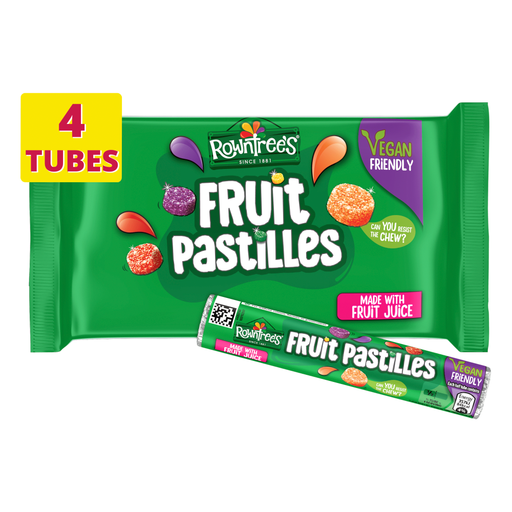
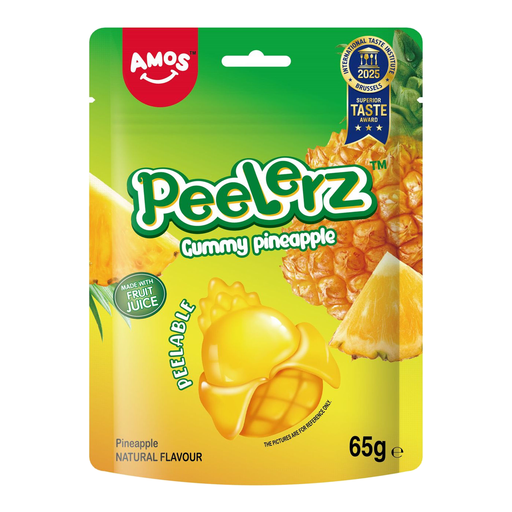
These options offer a four-pouch Fruit Pastilles multipack and a 65g bag of gummy sweets. Their stated pack weights can help you choose an amount to carry; neither pack weight establishes a serving size or makes the sweets a complete pre-workout snack.
 No image available
Rowntree's Fruit Pastilles 4 x 41g
Four 41g pouches give you separate amounts to carry, though the multipack is not a single bar. Check the current nutrition and allergen label for the amount you plan to eat.
View on Joybuy
 No image available
Amos Peelerz Gummy Pineapple 65g
The 65g bag has a stated weight to compare with the amount you intend to carry, but the whole bag is not identified as one serving. If you avoid pork gelatine or need to check allergens, read the current ingredients before choosing it.
View on Joybuy
Questions about jelly sweets before training
Can jelly sweets replace a pre-workout snack or meal?
Do not treat jelly sweets as a complete replacement. They can be a compact carbohydrate-containing treat, but UK Sports Institute guidance describes exercise fuelling as individualised; consider the timing and needs of your session alongside your wider food and fluid intake.
Is a small pack preferable to a sharing bag?
A small pack can make the amount easier to define if portion size matters to you. Check its weight and nutrition label, though: a stated pack weight does not necessarily mean the whole pack is labelled as one serving.
Are all jelly sweets vegan?
No. HARIBO labels its Jelly Beans vegan and Marks & Spencer labels its Fruit Jellies vegan, while Marks & Spencer lists beef gelatine in its Jelly Babies. Use the current ingredients and dietary statement for the exact product you are buying.
Does a vegan label or fruit flavour mean less sugar?
No sugar comparison follows from either description. Marks & Spencer lists 65.9g sugars per 100g for its vegan Fruit Jellies; compare the current per-100g figure and the amount you expect to eat instead of relying on the name or dietary label.


