
24/7 Customer Support

Free returns

Same-day & Next-day Delivery

Quality Guaranteed

Unlock Your Welcome Offers: FREE Delivery | Up to 80% OFF | Free 30-day JoyPlus trial
Download the APP
Jelly sweets are easy to add to an online basket, but pack photographs and familiar names do not always tell the full story. A small bag may be unsuitable for a party, while a large tub can leave sweets exposed to heat and moisture. Ingredient choices also vary considerably between gummy sweets, fizzy jelly sweets, jelly beans and traditional chewy sweets.
Before choosing, look beyond flavour and colour. The most useful checks are pack size, texture and format, and ingredients or allergen information. These details help UK shoppers select sweets for lunchboxes, family sharing, parties, gifting or occasional snacking without paying for features they do not need.
A 1kg sweet tub may appear economical, but it is only practical if you have enough people to share it or a suitable storage routine. Once opened, many products need to be kept tightly closed and stored away from heat, humidity and direct sunlight. A smaller sweet bag can be more convenient for a family film night or a few lunchbox treats.
For parties, compare total weight and portion format, not just the number of pieces. Individually wrapped sweets can make serving simpler, although they may create more packaging waste.
Jelly sweets often contain gelatine, including products that are described as fruity or plant-coloured. Several Japanese gummy sweets in the Kasugai bundle contain animal-based gelatine, so they are not suitable for vegetarians or vegans. By contrast, Haribo Giant Strawbs are described as suitable for vegetarians, and Rowntree’s Jelly Tots Tangy are also listed as suitable for vegetarians.
Always read the current pack label, particularly when buying for guests. Check for gelatine, beeswax, milk, soya, wheat, peanuts and nuts, as well as the product’s vegetarian or vegan status. Recipes and packaging can change.
“Fruit flavoured” does not mean a product is low in sugar or made mainly from fruit. For example, the supplied nutritional information lists 55g of sugars per 100g for SoSweet JellyFaves and 50g per 100g for HARIBO Tangfastics. These are confectionery products intended for occasional enjoyment, not a substitute for fruit.
Also check warnings for children. Small sweets can present a choking hazard, and young children should be supervised while eating. Some products containing specified colourings carry a label warning about possible effects on children’s activity and attention. Read the packaging before serving.
Choose the format around the occasion:
For cost comparisons, divide the price by the net weight rather than comparing bag prices alone.
Soft gummy sweets, foam-topped jellies and chewy sweets offer different eating experiences. Jelly babies and fruit shapes are generally suited to mixed-age sharing, while fizzy jelly sweets add a sweet-and-sour coating. Jelly beans provide many small pieces and varied flavours, making them useful for sweet jars or pick and mix sweets.
If you prefer distinctive flavours, Japanese gummy sweets may include peach, lychee, mango, muscat grape and mixed fruit. Check whether the pack contains one flavour or an assortment, and whether bags are individually wrapped.
Use the product page as a starting point, then verify the physical packaging before eating. Look for the ingredients list, allergen emphasis, country of origin, best-before information and storage instructions.
Most jelly sweets should be kept in a cool, dry place away from direct sunlight. Reseal opened bags and tubs to reduce sticking, drying or loss of texture. If buying sweets for children, confirm the stated age guidance and keep small pieces away from children under three.
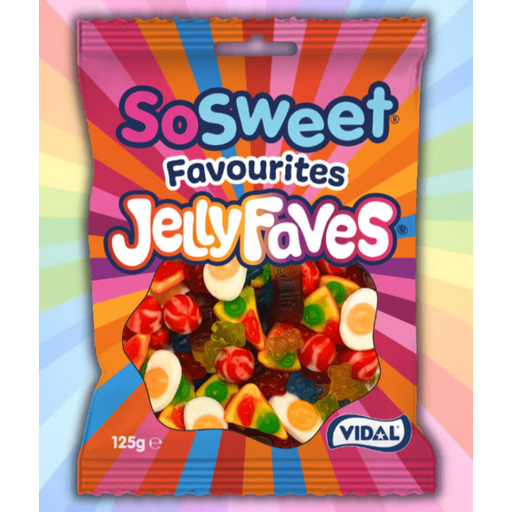
Why This Fits Their Persona: A modest 125g bag offers a straightforward way to try assorted fruit-flavoured jelly sweets without committing to a large tub.
The stated net weight is clear, and the product description identifies a soft chewy texture and assorted shapes rather than relying only on promotional wording.
125g sharing bag; assorted fun shapes; made in Spain; contains fruit juice from concentrate.
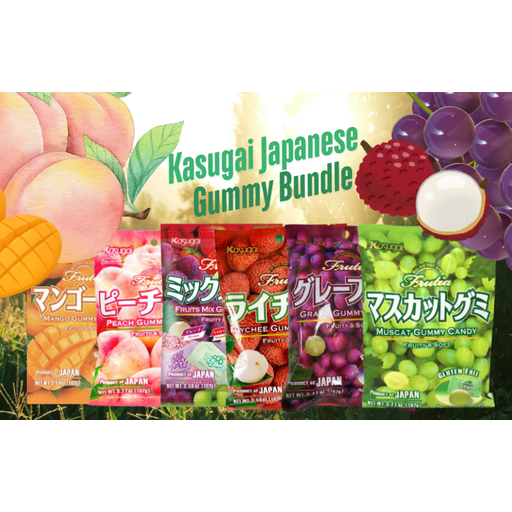
Why This Fits Their Persona: Shoppers seeking unusual fruit profiles can compare peach, lychee, mango, muscat grape and mixed-fruit options in one bundle.
The bundle lists flavour-specific ingredients and allergen notes, helping buyers avoid assuming that every flavour has the same recipe.
Multiple Japanese fruit flavours; soft chewy texture; some varieties use fruit juice or puree; portable packaging.
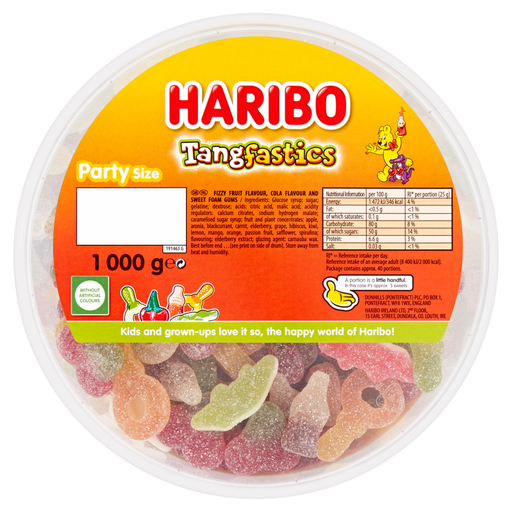
Why This Fits Their Persona: A substantial tub suits larger households, party bowls, community events and regular sharing where a small sweet bag would run out quickly.
The 1kg quantity and approximately 40 portions are stated, making it easier to plan for a gathering instead of guessing from the tub size.
Sweet-and-sour fizzy selection; includes cola bottles, cherries, dummies and crocodiles; large format for sharing.
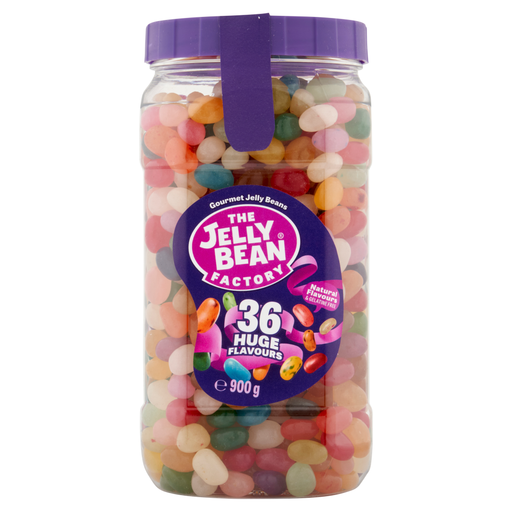
Why This Fits Their Persona: A large assortment works for sweet jars, pick and mix sweets, party tables or a colourful gift for someone who enjoys trying different flavours.
The listing specifies 36 flavours and a 900g quantity, giving clearer expectations than a generic “assorted” label.
36 listed flavour varieties; 900g format; described as gluten-free; suitable for gift jars and sharing displays.
We have compiled a complete, real-time list of products that fully satisfy these strict selection criteria and UK safety regulations.
Check the age guidance on the pack. Small pieces can present a choking hazard, especially for children under three. Children should be supervised while eating, and sweets should be stored safely when not in use.
Keep them in a cool, dry place away from sunlight, heat and moisture. Reseal bags and close tubs after serving to help maintain texture and reduce sticking. Always follow the storage instructions printed on the packaging.
Suitability depends on the exact product. Haribo Giant Strawbs and Rowntree’s Jelly Tots Tangy are listed as suitable for vegetarians in the supplied product information, while many gummy sweets contain gelatine. Check the latest ingredient list and vegetarian labelling before purchasing.