Hosts looking for a fruity chew
A bowl of fruit-flavoured jelly or chewy sweets makes sense when guests want that texture rather than chocolate. Decide whether individually sized sweets or a sharing bag better suits the table.


Choose jelly or chewy sweets if you want fruit flavours and a soft or chewy addition to afternoon tea. If ‘dark’ means a cocoa-led flavour, choose chocolate with a stated cocoa-solids percentage instead; a dark colour or a chewy inclusion does not make a jelly sweet high in cocoa. Whichever route you take, compare the nutrition panels and check the current pack for ingredients and allergens before serving.
A bowl of fruit-flavoured jelly or chewy sweets makes sense when guests want that texture rather than chocolate. Decide whether individually sized sweets or a sharing bag better suits the table.
If cocoa is the point of the choice, look for a stated cocoa-solids percentage. Dark chocolate with crystallised or candied ginger offers a chewy element, but it remains chocolate confectionery, not a jelly sweet.
Check the exact pack when vegan suitability or allergens matter. Jelly recipes can differ in their use of gelatine, while a dark-chocolate name alone does not establish whether a product is suitable for a guest with an allergy.
Start with the flavour and texture you intend to serve, then compare like-for-like label information and check each guest’s requirements against the pack.
Choose when: Fruit flavour and a soft or chewy sweet matter more than cocoa.
Bear in mind: The Haribo Jelly Beans described by HARIBO UK contain no cocoa ingredient, so this example will not provide a high-cocoa chocolate flavour.
Choose when: You want stated cocoa content with a chewy ginger element; Marks & Spencer lists 85% cocoa-solids ginger sticks, while Sainsbury’s lists a Green & Black’s 60% ginger bar.
Bear in mind: These are chocolate products rather than conventional jelly sweets, and cocoa percentage alone does not establish their sugar content or allergen suitability.
| Priority | What to check | Your needs |
|---|---|---|
| Flavour and texture | Read the product description and ingredients for fruit flavours, cocoa and any chewy inclusion. If cocoa is the aim, look for a stated cocoa-solids percentage rather than judging by colour. | I want fruit-flavoured sweets to pass around, or I want dark chocolate with a clearly stated cocoa content. |
| Sugars | Compare sugars per 100g on the same basis, then consider the amount you plan to serve. HARIBO UK lists 66g sugars per 100g for Jelly Beans; Marks & Spencer lists 60.3g per 100g for its 85% cocoa ginger sticks. | A cocoa percentage will not tell me how much sugar is in the sweet. I would check the nutrition panel for the particular product going on the table. |
| Ingredients and allergens | Check the current pack for gelatine, dietary statements, ingredients and allergen warnings. Nestlé UK & Ireland announced a vegan-friendly Fruit Pastilles recipe in 2020, but that announcement does not establish the details of every pack sold now. | One of my guests needs a vegan option or has an allergy, so I need to check the exact sweet rather than relying on its category name. |
| Pack details | Check the pack size, date marking and product-specific storage instructions before setting sweets out or keeping leftovers. | I want an amount that suits the gathering and clear instructions for anything left after afternoon tea. |
Colour does not establish cocoa content. The HARIBO UK ingredient information for Jelly Beans lists no cocoa, whereas the Marks & Spencer ginger sticks explicitly state a minimum of 85% cocoa solids in their dark chocolate.
For a cocoa-led choice, look for dark chocolate and its cocoa-solids statement on the specific product. Choose jelly sweets when fruit flavour and chew are the aim.
Cocoa content and sugars are different label measures. Marks & Spencer lists 60.3g sugars per 100g for its 85% cocoa ginger sticks, while Sainsbury’s lists 47g per 100g for the Green & Black’s 60% ginger bar; these figures describe two different products, not a rule about cocoa percentages.
Use the sugars-per-100g figures on the products you are considering, and decide how much to put out.
Recipes and allergen statements differ by product. Nestlé UK & Ireland’s 2020 announcement concerned its Fruit Pastilles recipe; Marks & Spencer specifies allergy exclusions for its 85% cocoa ginger sticks.
Read the current pack for each product. If a guest has a specific requirement, choose an option whose label meets it rather than inferring suitability from ‘jelly’ or ‘dark’.
An online listing is useful for making a shortlist, but the pack in hand is the one guests will be served from.
Before serving, check its ingredients, allergen information, date marking and storage instructions.
These examples show how fruit sweets and cocoa-percentage-labelled chocolate differ; a brand or retailer name alone does not establish the details of a particular pack.
A fruit-sweet reference for the jelly and chewy route.
Fruit Pastilles and Jelly Tots are fruit-confectionery examples rather than stated high-cocoa chocolate.
Its separate jelly-and-chewy and dark-chocolate listings help distinguish the two shopping routes.
Its listings provide examples of both fruit sweets and dark chocolate with ginger.
Its Collection ginger sticks illustrate the chocolate-with-a-chewy-inclusion route, not a jelly-sweet route.
These options cover two ways to serve a sweet alongside afternoon tea: plain, cocoa-percentage-labelled dark-chocolate bars and fruit-flavoured chewy sweets. The chocolate bars are not jelly sweets, and the fruit sweets are not high-cocoa chocolate.
 No image available
Consider this plain dark-chocolate bar if the afternoon-tea choice is about stated cocoa content rather than a fruity chew. The title identifies 85% cocoa and a 100g bar; it does not describe a jelly sweet or a chewy inclusion. Check the current pack for ingredients and allergens before serving.
 No image available
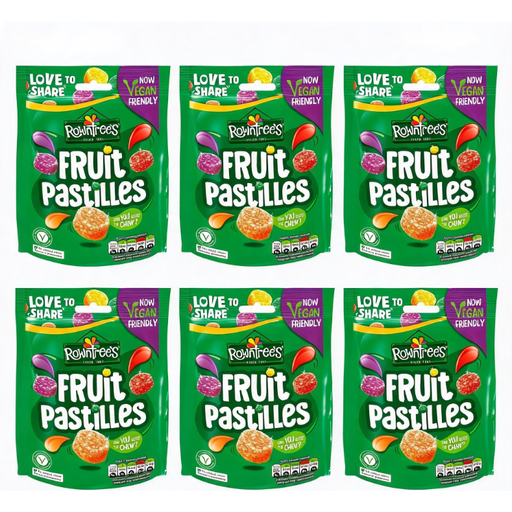
For a fruit-flavoured chewy option rather than a cocoa-led one, this listing identifies six 143g packs. ‘Vegan’ appears in the product name, but check the current pack’s ingredients and dietary statement before serving it to someone with that requirement. Small sweets need particular care if young children are present.
 No image available
This is another plain dark-chocolate route for afternoon tea. Its title states 72% cocoa and a 100g bar, compared with the separately listed Morrisons Ecuador bar’s 85%; those percentages alone do not establish which has less sugar or which guests can eat it. Check the current pack for nutrition, ingredients and allergens.
 No image available
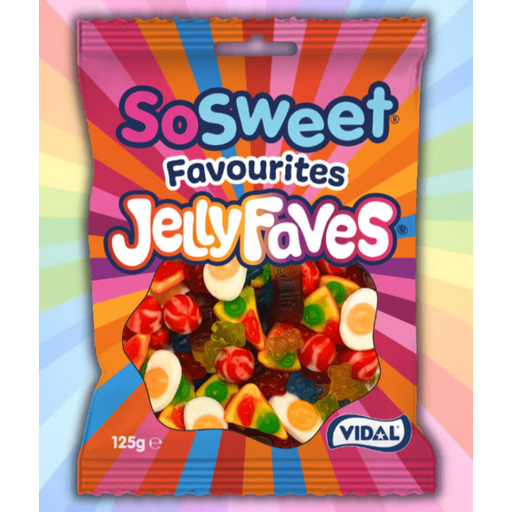
The 125g bag is an option when assorted jelly-style sweets suit the afternoon-tea table better than plain chocolate. Do not treat it as a high-cocoa product or assume it is vegan: check the current ingredients, allergen information and any age-related warnings on the pack before serving.
No: colour by itself does not establish cocoa content. HARIBO UK’s Jelly Beans ingredients list no cocoa, while Marks & Spencer explicitly states a minimum of 85% cocoa solids for the dark chocolate in its ginger sticks. Check the particular product’s ingredients if its name or colour leaves the distinction unclear.
Look for a chocolate product that states both its cocoa-solids percentage and its chewy inclusion. Marks & Spencer describes 85% cocoa dark-chocolate ginger sticks with candied ginger, while Sainsbury’s describes a Green & Black’s 60% dark-chocolate bar with crystallised ginger. Neither is a conventional jelly sweet.
Not on its own; read sugars per 100g on the nutrition panel. Marks & Spencer lists 60.3g sugars per 100g for its 85% cocoa ginger sticks, and Sainsbury’s lists 47g per 100g for its Green & Black’s 60% ginger bar. Those are figures for the named products, not a general relationship between cocoa and sugar.
Read the current pack’s ingredients, allergen information and dietary statement for the exact product you will serve. Nestlé UK & Ireland announced a vegan-friendly Fruit Pastilles recipe in 2020, but that does not establish the details of every current pack; ‘dark chocolate’ does not establish allergen suitability either.
Follow the instructions on the specific pack. Marks & Spencer says its 85% cocoa ginger sticks should be kept in a cool, dry place away from sunlight, resealed after opening and eaten within one week; do not apply those instructions to a different product without checking its label.