Shoppers buying for someone with a food allergy
Check the exact pack for the person’s allergen and any precautionary statement. Brand familiarity, vegan status and an online description cannot replace that check.


Choose a jelly sweets sharing bag only after checking the current physical pack against the person’s specific allergy: read the full ingredients and any precautionary allergen statement. A sealed, labelled bag gives you information to assess before sharing, but a vegan label or familiar brand cannot establish allergy suitability; clean, separate serving equipment matters once the bag is open.
Check the exact pack for the person’s allergen and any precautionary statement. Brand familiarity, vegan status and an online description cannot replace that check.
Assess the labelled bag before serving, then consider how shared hands, bowls and utensils could bring the sweets into contact with other food.
A vegan label can help with an animal-ingredient requirement, but the relevant allergen and precautionary wording still need a separate check on the current pack.
Start with the affected person’s specific allergen, then assess the unopened pack and plan how the sweets will be served.
| Priority | What to check | Your needs |
|---|---|---|
| Ingredients | Read the full list on the exact pack. Check highlighted regulated allergens and any other ingredient relevant to the person’s allergy. | I need to know whether the allergen is an ingredient in this particular bag, rather than relying on another flavour or pack size. |
| Precautionary wording | Look for statements such as ‘may contain’ and retailer-specific manufacturing-risk wording. Consider them alongside the person’s allergy-management advice. | An allergen may not appear in the ingredients, but I still need to consider any warning about possible cross-contact. The Food Standards Agency describes precautionary allergen labelling as voluntary information about possible unintentional presence. |
| Dietary requirements | Check vegan or vegetarian labelling and the listed gelling agent if avoiding gelatine. Assess allergy information separately. | I may need sweets without animal-derived ingredients as well as a pack that meets the person’s allergy-specific requirements. |
| Group serving | Keep the labelled packaging available. Use clean, separate utensils and keep the assessed sweets apart from other food. | I want guests to know which sweets were checked, without mixing them with other products during serving. Anaphylaxis UK advises separate serving areas and utensils to reduce cross-contact at food-sharing events. |
Vegan status addresses animal-derived ingredients, not every allergen or possible manufacturing cross-contact. Rowntree’s describes Fruit Pastilles as vegan but says its gelatine-containing Randoms are not.
Use vegan labelling for the dietary requirement, then check the exact pack’s ingredients and precautionary statement for the person’s allergy.
Product details can change. Sainsbury’s and M&S both advise checking product information on the pack, so an earlier online check may not describe the bag you receive.
Read the physical pack before buying or serving, particularly if the product has been substituted. Keep its label with the sweets while they are shared.
Contact with other sweets, hands or utensils can undermine the care taken in selecting a sealed bag.
Use clean, separate serving equipment and keep the assessed sweets away from food containing the relevant allergen. Anaphylaxis UK recommends separate areas and utensils at food-sharing events.
M&S Fruit Jellies and its mixed Very Jelly Munch have different ingredient and allergy information. The retailer lists milk, wheat and soya ingredients for Very Jelly Munch and carries nut, peanut and sesame unsuitability statements for that product.
Check the exact product, size and current label rather than transferring a decision from another bag in the range.
These examples show why the product line matters more than the brand name when checking a sharing bag.
Rowntree’s sells fruit and chewy sweets with different animal-ingredient profiles across its range.
HARIBO’s UK range includes Jelly Beans and mixed assortments such as Starmix.
M&S sells both fruit jellies and mixed confectionery, with different information to assess for each product.
These options include sharing-size bags and a multipack of individual portions. Assess the current label of whichever format you choose against the specific allergy before sharing.
 No image available
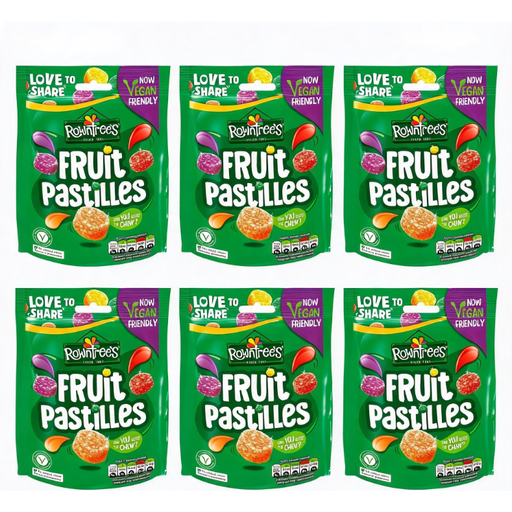
Six 143g bags provide separate packs to assess before a group share. Vegan suitability may also matter if gelatine is being avoided, but it does not establish allergy suitability: check each current pack’s ingredients and precautionary wording.
The listing includes a choking warning for children under 4 years.
 No image available
This 175g mixed-sweets bag calls for a check of the full current label before group serving. The listing flags possible wheat and milk traces; assess the physical pack’s wording against the affected person’s allergy-management advice.
 No image available
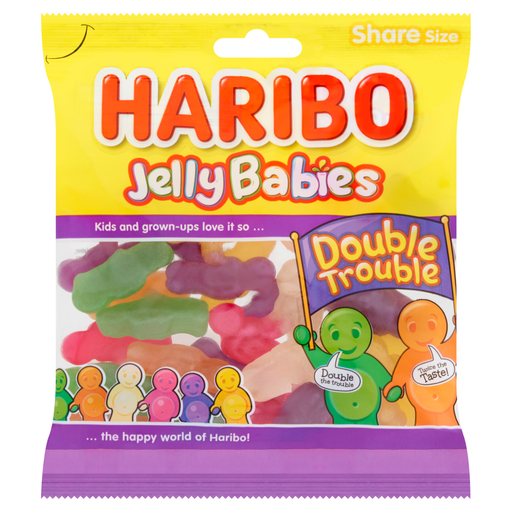
This 175g sharing bag can be assessed before serving, but the listing’s ‘Allergens: None’ wording is not an allergy clearance. Read the physical pack’s ingredients and any precautionary statement. The listing also identifies gelatine, which matters if animal-derived ingredients are being avoided.
 No image available
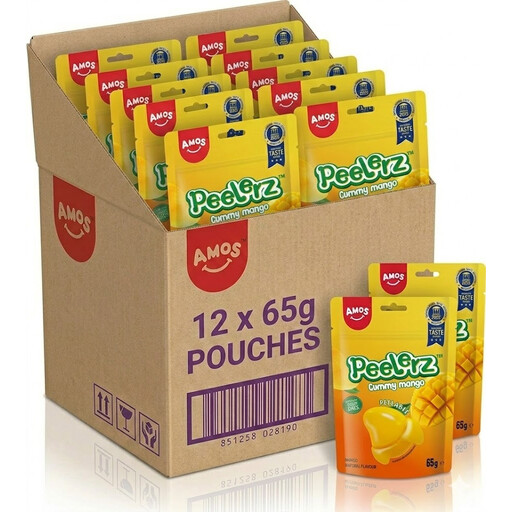
Twelve individual 65g packs offer a different way to distribute sweets than one communal bag. The listing flags possible milk, soybeans and sulphites and identifies pork gelatine; check the current physical packs for the specific allergy and any separate dietary requirement.
Not on the basis of its vegan label alone. Vegan suitability addresses animal-derived ingredients; check the exact pack for the person’s allergen and any precautionary statement against their allergy-management advice.
Treat the statement as relevant to the allergy check. The Food Standards Agency describes precautionary allergen labelling as voluntary information about possible unintentional allergen presence; assess the wording against the affected person’s allergy-management advice rather than assuming an absent ingredient declaration settles the question.
Use it to shortlist bags, then read the physical pack. Sainsbury’s says product details and ingredients can change, while M&S advises shoppers to check the label. Check again if a different product or pack is supplied.
Keep its labelled packaging available and serve the sweets with clean, separate utensils away from other food. Anaphylaxis UK recommends separate areas and serving utensils to reduce cross-contact at food-sharing events.
An allergy check does not address choking. Read the specific pack’s age and choking warning before serving small sweets to children; the listed Rowntree’s Fruit Pastilles pack, for example, carries a warning for children under 4 years.